From Mount Athos to Celtic Orthodoxy: Restoring Daily Scripture Teaching in the Orthodox Church
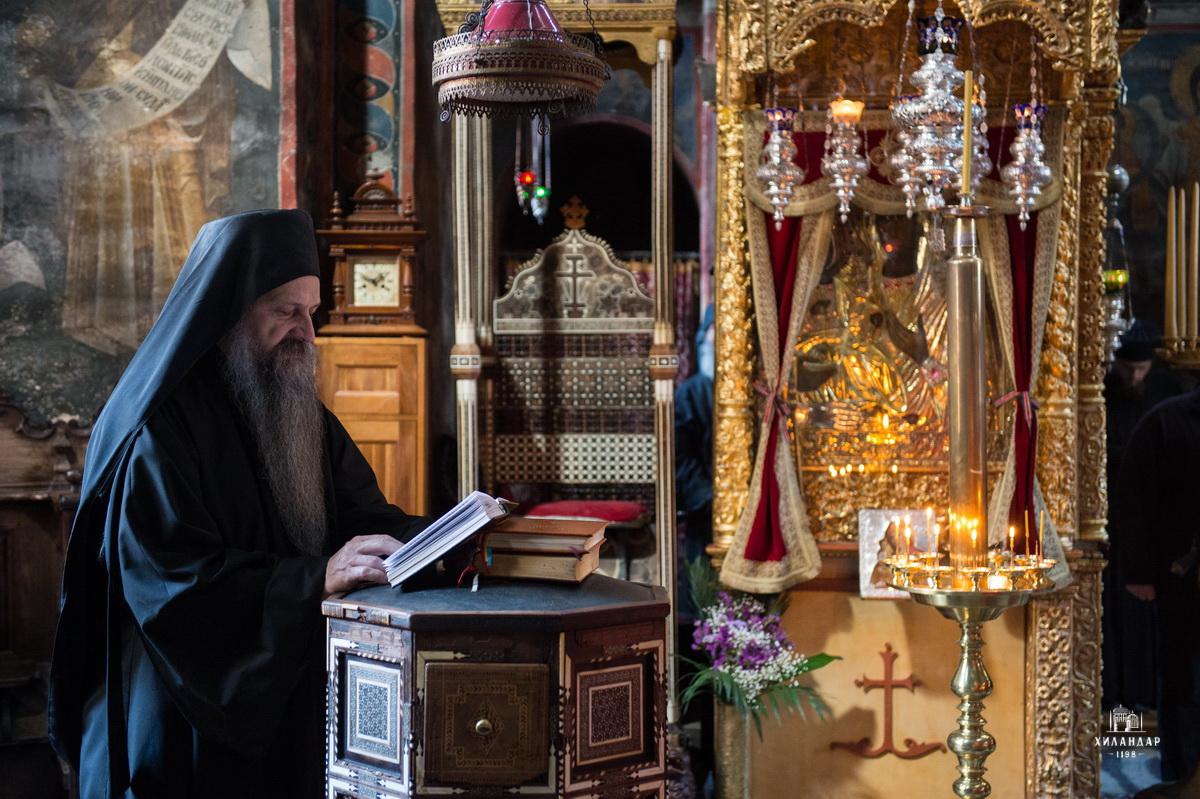
Across the Orthodox world, one of the most beautiful signs of renewal is the return to daily Scripture teaching. Not merely occasional sermons, not merely cultural identity, and not only discussions of tradition, but the living Word of God opened, read, preached, prayed, and applied to the life of the faithful.
This is why we gladly commend the example of Mount Athos, where the daily cycle of prayer, psalmody, Gospel readings, apostolic readings, patristic commentary, and spiritual instruction continues to remind the whole Church that Orthodoxy is not only a matter of vestments, icons, calendars, and jurisdictional identity. True Orthodoxy is the life of Christ received, guarded, confessed, and obeyed through the Holy Scriptures and the apostolic faith.
For those who wish to explore Athonite teaching online, we encourage visiting Pemptousia: Mount Athos – Wisdom – Holiness, which publishes Orthodox sermons, Athonite teachings, spiritual writings, and scriptural reflections. We also commend the resources of the Holy Great Monastery of Vatopedi, where teachings, videos, worship materials, and monastery news continue to make the voice of the Holy Mountain accessible to the wider Christian world.
The Great Need: Daily Scripture, Not Merely Weekly Religion
The Church has always lived by the Word of God. The Psalms are prayed daily. The Gospel is enthroned in the sanctuary. The Epistle and Gospel are proclaimed in the Divine Liturgy. The feasts of the Church are saturated with Scripture. The Fathers themselves were not innovators standing above Scripture, but faithful witnesses who expounded the Scriptures within the life of the Church.
Yet in many places today, the faithful need more than an occasional homily. They need regular Bible study, daily lectionary teaching, Gospel exposition, catechesis in the commandments of God, and pastoral instruction that teaches them how to live as Christians in a confused age.
This is not a Protestant novelty. It is Orthodox. It is apostolic. It is patristic. It is also deeply Celtic.
At CelticOrthodoxy.com, we have long emphasized that receiving the Word requires meditation, repetition, obedience, and continual teaching. See also our studies: Receiving the Word: How Meditation and Repetition Make the Word Effectual and Recovering True Orthodoxy: Scripture Teaching, Not Cultural Sentiment.
Mount Athos as a Living Witness
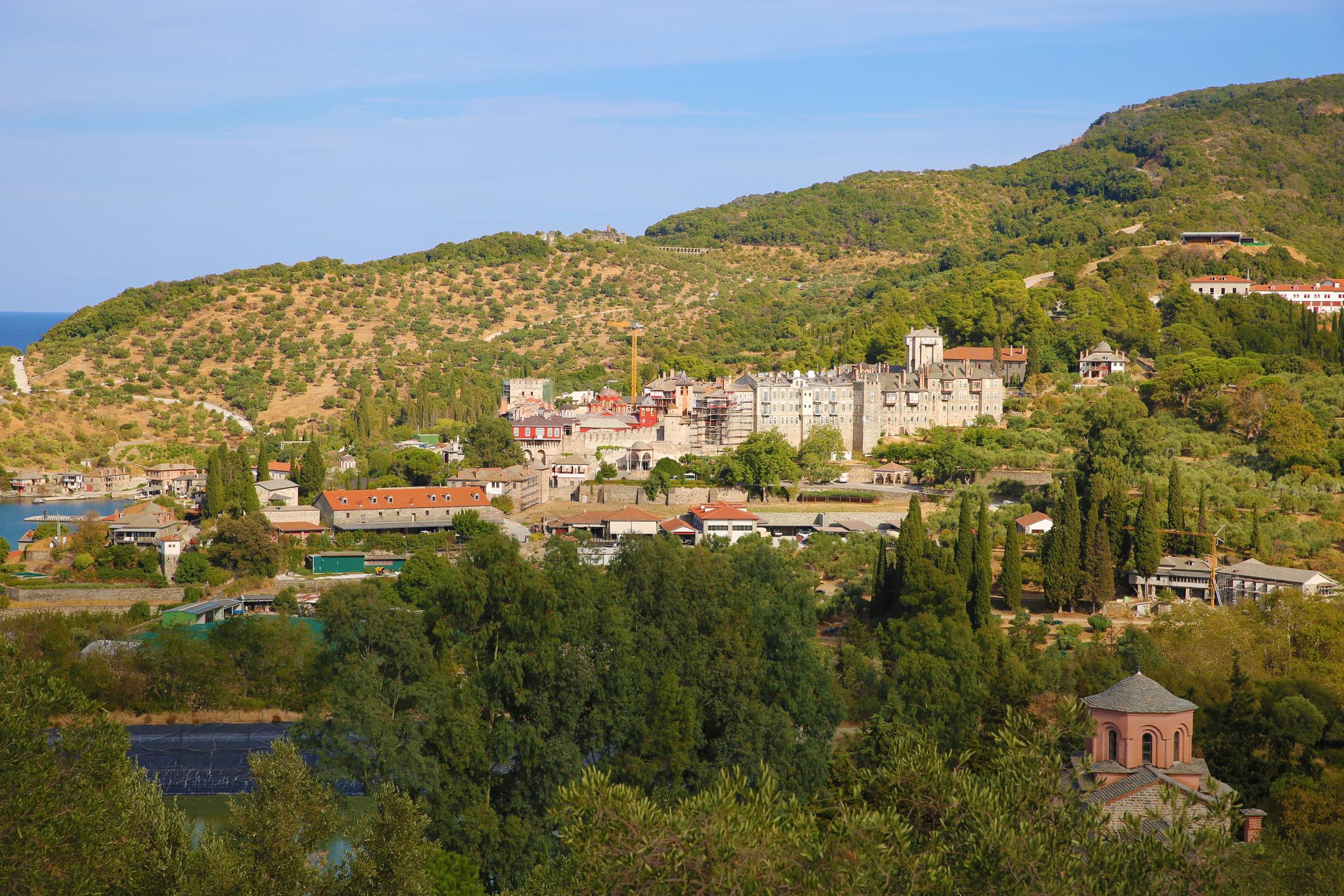
Mount Athos is often known in the West for its ancient monasteries, strict asceticism, beautiful chanting, and unbroken prayer. Yet one of its greatest gifts is its reminder that the Orthodox life is formed by the continual hearing of the Word of God.
The Athonite way is not entertainment. It is not religious marketing. It is not a shallow lecture culture. It is prayer, Scripture, repentance, worship, fasting, confession, spiritual fatherhood, and the long purification of the heart.
For this reason, the wider Orthodox world should not treat Mount Athos as merely a symbol of old-world piety. It should be received as a practical challenge. If the monks can order their lives around daily prayer and Scripture, then every parish, mission, chapel, and household should ask: how can we restore daily Scripture teaching among our people?
This does not mean every parish must become a monastery. It means every parish can recover the rhythm of the Church: daily readings, lectionary preaching, Psalms, Gospel instruction, catechism, and practical teaching in the commandments of God.
The Western Orthodox Witness Was Never Absent
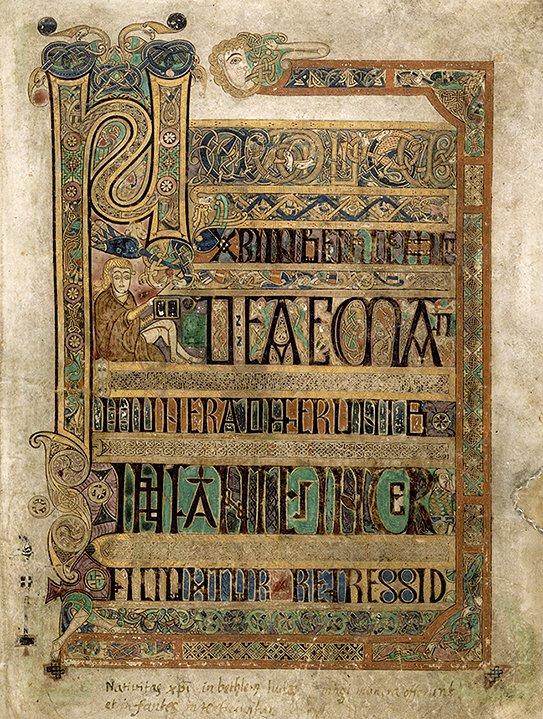
At the same time, the East should remember that Orthodoxy was never foreign to the West. Britain and the Celtic lands did not become Christian by modern conversion to an Eastern patriarchate. They received the Gospel by several Apostles who are buried there, and acknowledged across most traditions. These anciently, preserved episcopal order, revered the Scriptures, and maintained a deeply biblical Orthodox tradition through changing political circumstances.
For a fuller study, see Britain’s Ancient Orthodox Heritage: A Living Tradition, Not a Modern Conversion.
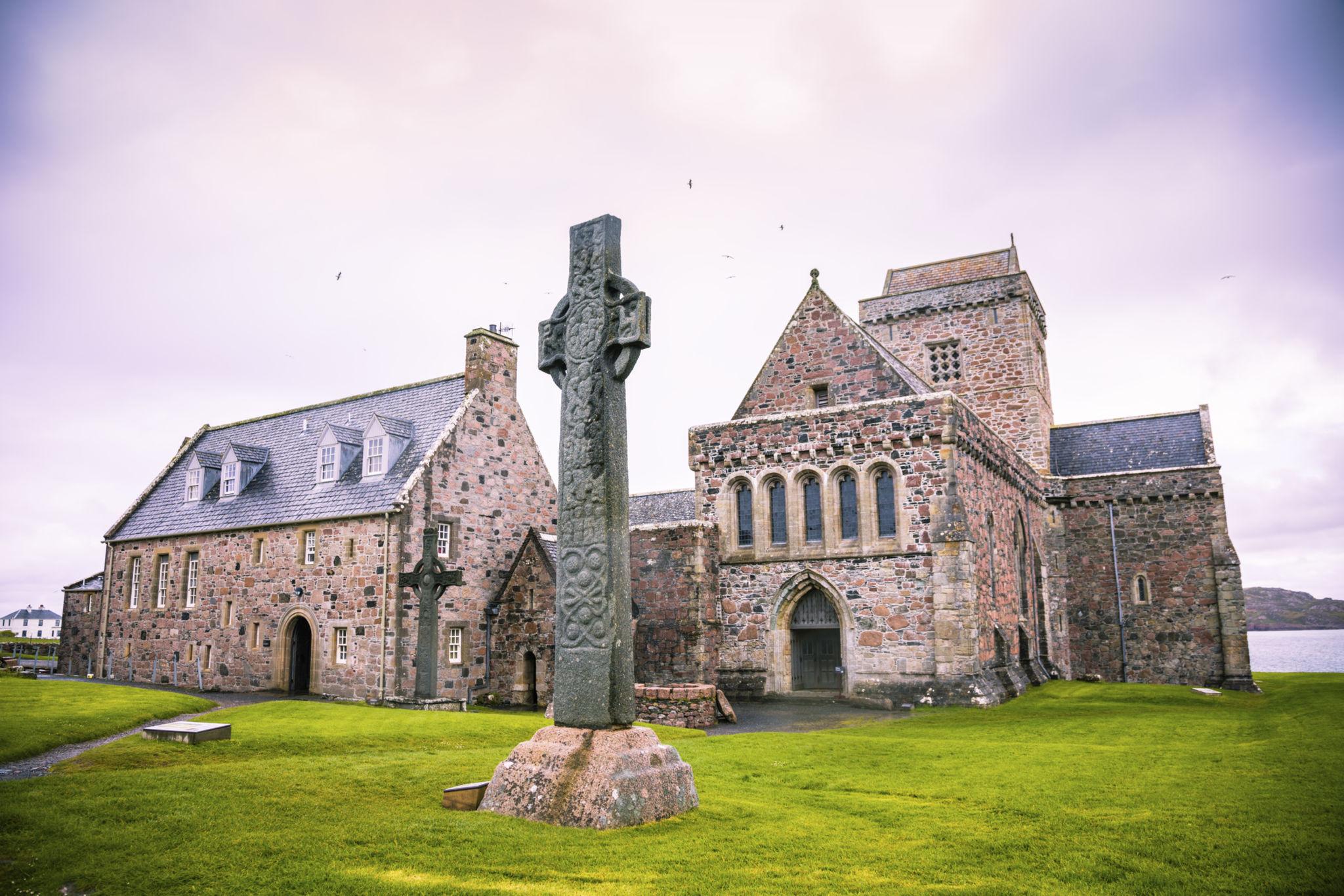
The witness of the British and Celtic Church is not a rival to the East. It is a sister testimony. The old Celtic Church was scriptural, episcopal, sacramental, monastic, missionary, and Orthodox in faith. It flourished before Augustine arrived in 597 AD to convert the Saxons, and long before later political divisions hardened into permanent ecclesiastical suspicion.
As our ministry has often noted, St. John Chrysostom himself testified of the British Isles that churches and altars were found there and that men everywhere discussed matters out of the Scriptures. This is precisely the spirit we seek to recover today.
Continued Orthodoxy Through Political Upheaval
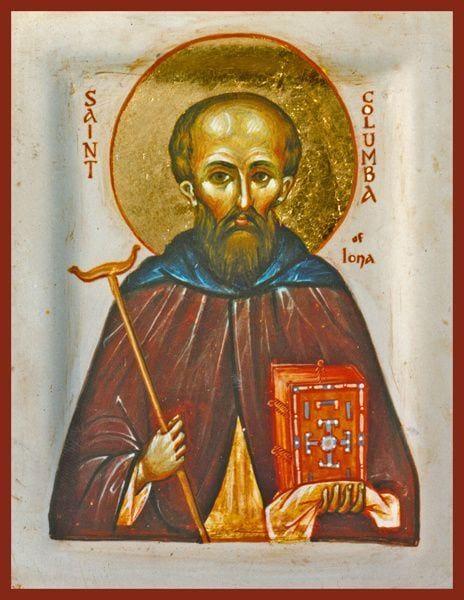
While several of the ancient patriarchal sees endured periods in which individual patriarchs promoted doctrines later condemned by Ecumenical Councils, the Celtic Church preserved an unbroken witness which St. Columba himself praised as remaining free from heresy, Judaizing, and schism.
This point should not be made in a spirit of triumphalism. It should be made as a reminder that no single political center has the right to erase the ancient Orthodox witness of the West. The British Church had its own ancient customs, its own apostolic memory, its own saints, its own liturgical inheritance, and its own continuing confession of the Catholic and Orthodox faith.
The Second Council of Constantinople affirmed the principle that churches outside the Roman Empire should be governed according to their ancient customs. This is a crucial reminder for discussions of Western Orthodoxy, Celtic Orthodoxy, Anglican patrimony, the Sarum Rite, and the restoration of Western Orthodox worship.
Recognition, Sacraments, and the Need for Cooperation
Historic Christian jurisdictions should not be quick to condemn one another over political disputes, local jurisdictional claims, or inherited controversies that ordinary faithful Christians did not create.
There have been many instances in which Eastern and Western Christians recognized the validity of one another’s sacramental life, apostolic succession, liturgical inheritance, and theological seriousness. Our own ministry has documented important examples of Orthodox and Catholic recognition in Catholic Orthodox History and Recognition of Sacraments Between Them.
Among these examples is the recognition associated with His Beatitude Nicholas VI, Greek Orthodox Patriarch of Alexandria, whose Synod declared certain episcopal ordinations in America “valid and canonical for the existent conditions in America.” Such examples should encourage sober dialogue, not careless rejection.
Likewise, Russian Orthodox interest in the English liturgy, the Sarum inheritance, and the possibility of Western Orthodox restoration should serve as a good reminder: the West was not born outside Orthodoxy. The West had Orthodoxy. The question is how faithfully that inheritance is preserved, purified, restored, and lived today.
Western Missions Under Eastern Patriarchates
Many Orthodox missions in the West, including those under Greek, Russian, Antiochian, Serbian, Romanian, and other Eastern jurisdictions, have done commendable work in Scripture teaching, catechism, parish Bible studies, and lectionary-based preaching.
This should be celebrated. In fact, many Western Orthodox missions have developed strong Bible study cultures precisely because they are ministering among Western people who expect regular teaching, textual exposition, and practical instruction.
Yet this also raises an important question: if these Western missions are flourishing through regular Scripture teaching, should not the older patriarchal centers also encourage more daily Scripture instruction among the faithful?
We do not ask this as an accusation, but as an invitation. Let every Orthodox parish, East and West, recover daily Scripture teaching. Let every monastery continue to model the prayerful reading of the Word. Let every mission teach the commandments of God. Let every bishop encourage clergy to preach not only about identity, tradition, and culture, but about repentance, obedience, holiness, the Gospel, and the Kingdom of God.
Roman, Anglican, Celtic, and Orthodox Lectionary Life
It is also worth noting that the daily lectionary remains central in much of the Western Christian world. Roman Catholic churches continue daily Mass readings. Anglican and Celtic Orthodox traditions have long preserved daily offices, Psalms, collects, Epistles, Gospels, and homiletic teaching.
This should not be dismissed as “Western.” It should be recognized as Catholic and Orthodox in the broad and ancient sense. The daily reading of Scripture belongs to the whole Church.
The goal is not to make the East Western, nor the West Eastern. The goal is to restore the fullness of the ancient Christian life: Scripture, sacrament, prayer, fasting, confession, repentance, charity, and unity in Christ.
One Gospel, Many Ancient Witnesses
Historic Christians agree on far more than many modern polemicists admit. The ancient churches confess Christ, the Incarnation, the Cross, the Resurrection, the Holy Trinity, the Scriptures, baptism, worship, prayer, repentance, and salvation through Jesus Christ.
Real theological disagreements do exist and should not be pretended away. Yet many divisions have been enlarged by politics, language, imperial rivalry, local conflicts, and later generations who inherited controversies without understanding their original context.
Many laymen today go far beyond their calling. They condemn entire jurisdictions, sacraments, saints, bishops, and histories after reading a few articles or watching a few online videos. This is spiritually dangerous.
We Need Fewer Instant Teachers and More Lifelong Students
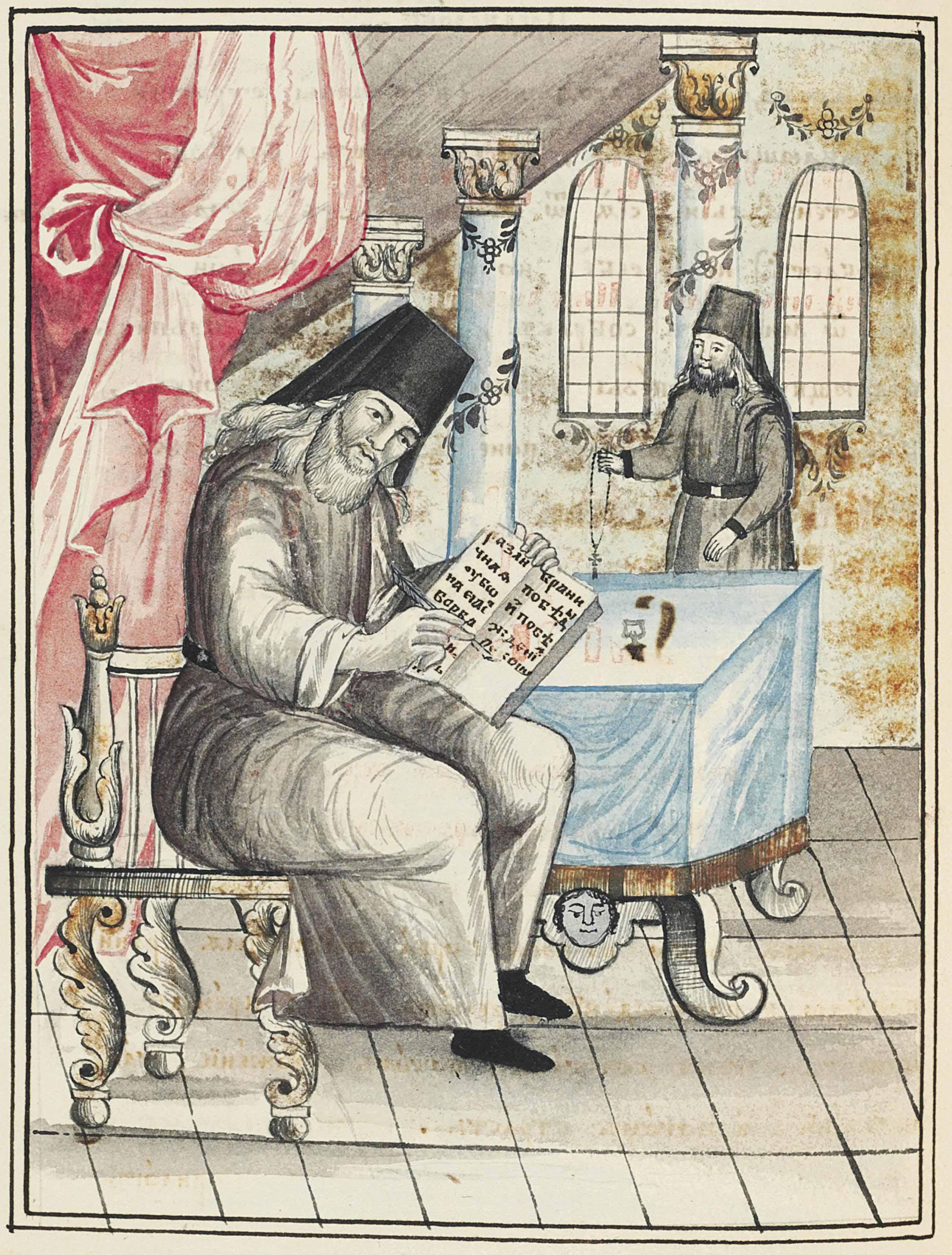
Holy Scripture warns us plainly: “My brethren, be not many masters, knowing that we shall receive the greater condemnation” (James 3:1). Our Lord also warns, “Judge not, that ye be not judged” (Matthew 7:1).
This does not mean doctrine is unimportant. It means doctrine is so important that it must not be handled carelessly.
In our Restoration Ministries, we have often emphasized that teachers should not presume to teach publicly on pivotal doctrinal subjects without long, serious, disciplined study. A major topic should not be reduced to slogans, memes, or short-form arguments. In many cases, two years of hard research is a more fitting minimum before one presumes to correct the Church publicly on a central matter.
The internet has produced many commentators, but comparatively few students. The Fathers prayed, fasted, studied, suffered, pastored, and labored for years before becoming trusted teachers of the Church. Today, a person may read a handful of posts and presume to judge councils, patriarchs, rites, sacraments, and churches that have endured for centuries.
This spirit is not Orthodox. It is not Catholic. It is not Celtic. It is not apostolic.
The Church needs teachers, but she needs teachers who have been formed by Scripture, prayer, humility, obedience, scholarship, and pastoral responsibility. We need fewer reactionary voices and more men willing to sit with the Word of God until it has first judged them.
A Call to Daily Scripture Teaching
Therefore, we encourage:
- Every Orthodox parish to offer regular Bible study and lectionary teaching.
- Every monastery to continue modeling the daily reading and praying of Scripture.
- Every Western Orthodox mission to remember that Scripture teaching is not a concession to Protestant culture, but a recovery of ancient Orthodoxy.
- Every Eastern patriarchal ministry to encourage daily instruction in the Gospel, Epistles, Psalms, and commandments of God.
- Every Roman Catholic, Anglican, Celtic, and Orthodox ministry to recognize the shared value of daily lectionary life.
- Every layman to refrain from condemning brethren beyond his authority and knowledge.
- Every teacher to study deeply before speaking publicly on divisive theological matters.
- Every apostolic church to seek cooperation where conscience, sacramental order, and doctrine permit.
Toward Inter-Communion, Recognition, and Charity
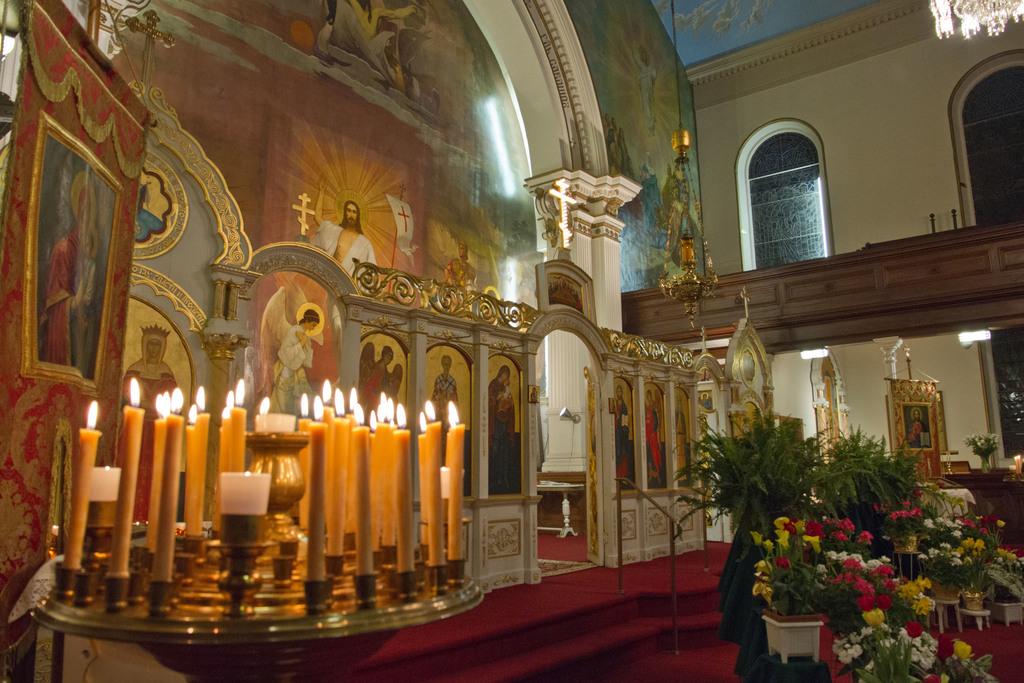
There is a need for renewed co-ministry agreements, mutual recognition where appropriate, and honest acknowledgment that distant jurisdictions may preserve valid apostolic life even when political or local disputes remain unresolved.
The Russian Catacomb and True Orthodox witness, formed under the horrors of Bolshevik persecution and the destruction of thousands of churches, reminds us that political control can greatly distort ecclesiastical life. Many faithful Christians preserved Orthodoxy under suffering, exile, underground worship, and martyrdom.
Likewise, Western Orthodox Christians should not be dismissed merely because later political narratives forgot the ancient Orthodox inheritance of Britain, Gaul, Ireland, Scotland, and Wales.
Where valid apostolic succession, valid Eucharist, orthodox confession, and the ancient faith are preserved, the churches should seek peace, recognition, and cooperation rather than endless suspicion.
Christ Prayed That We May Be One
Our Lord Jesus Christ prayed “that they all may be one” (John 17:21). This unity is not achieved by pretending differences do not exist. It is achieved by truth, charity, repentance, humility, and obedience to the Word of God.
The path forward is not less Scripture, but more. Not less prayer, but more. Not less serious theology, but more disciplined and humble theology. Not more condemnation, but more careful discernment. Not shallow ecumenism, but deeper fidelity to the ancient faith once delivered to the saints.
Mount Athos gives us a living reminder. Celtic Orthodoxy gives another. The Roman and Anglican lectionary traditions give another. The Orthodox missions in the West give another. The daily Word of God remains the common inheritance of the whole Church.
Let the East teach the West. Let the West remind the East. Let the monasteries teach the parishes. Let the parishes teach the households. Let the clergy teach the faithful. Let the faithful search the Scriptures daily with humility and obedience.
And let all of us remember: the Church is not preserved by cultural sentiment, political rivalry, or jurisdictional pride. The Church is preserved by Christ, through the Holy Spirit, in the apostolic faith, through the Word of God, the sacraments, and the life of holiness.
Recommended Links
- Pemptousia: Mount Athos – Wisdom – Holiness
- Holy Great Monastery of Vatopedi
- CelticOrthodoxy.com
- Britain’s Ancient Orthodox Heritage: A Living Tradition, Not a Modern Conversion
- Receiving the Word: How Meditation and Repetition Make the Word Effectual
- Recovering True Orthodoxy: Scripture Teaching, Not Cultural Sentiment
- Catholic Orthodox History and Recognition of Sacraments Between Them
May the daily teaching of Holy Scripture be restored in every Orthodox parish, monastery, mission, household, and ministry, from Mount Athos to Britain, from the ancient East to the ancient West, until all the faithful are strengthened in Christ and built up in the one apostolic faith.