
COL. Douglas Macgregor : NATO Collapsing. Bitchute: https://www.bitchute.com/video/y2hBKzuKLmOw/ YouTube: https://youtu.be/IKADROCK1MA
Category: News
Welcome to our Watchman News page.
Featured episode seen here on http://Watchman.news: (Please Subscribe to our Videos on Rumble)Streamed LIVE on:
Youtube: https://youtube.com/thebrunswickers
Rumble: https://rumble.com/c/c-1259872
MEWE Events: https://mewe.com/event/63f7a189c2d63505272fe4f3
Twitter: https://twitter.com/theBrunswickers
Facebook: https://www.facebook.com/groups/truesheep
New backups going online at brighteon, bitchute, and gab
This organization works in conjunction with Priory of Salem, Institute of Peace Studies, for members seeking peaceful orderly analysis of current events.
We focus on non-inflammatory approaches(not siding one against the other, but equal representation). We nourish a happy understanding of the good news in the Kingdom of Jesus Christ. This positive cultural foundation has ensured the most long term health in every area (spiritual, soul, body, social and financially).
For general news that may also be consulted, we have a live feed taken from many sources as found here: Daily News Updated to the Hour from Christian Nationalistic sources.
Restoring Lawful Guardianship: A Call to the English People and the Templar Heirs

Restoring Lawful Guardianship: A Call to the English People and the Templar Heirs (In memory of Rhiannon Whyte — Walsall, England)BBC: “Man jailed for murdering Walsall woman Rhiannon Whyte” I. A Nation’s Law Abandoned The brutal killing of Rhiannon Whyte in Walsall revealed more than one man’s depravity — it exposed the collapse of lawful […]
The Four Kinetons/Kingtons of the Ardens: Vicecomital Nobility and Templar Co-Administration in Warwickshire

The Four Kinetons/Kingtons of the Ardens: Vicecomital Nobility and Templar Co-Administration in Warwickshire By Dr Stephen M. K. Brunswick, Ph.D., Th.D. (Priory of Salem – St Andrew’s OCC Educational Series / Watchman News Historical Division) Prefatory Note on Authority and Sources This study follows the method of recognized genealogical authorities such as Evelyn Philip Shirley, […]
On Ukraine and Venezuela, Trump needs to dump the sycophants
On Ukraine and Venezuela, Trump needs to dump the sycophants There’s a lot of smoke being blown about big ‘deals’ and huge ‘wins.’ True military professionals would tell him the hard truths.
MOATS (MOTHER OF ALL TALKSHOWS 10/22/2025
George Galloway interviews Colonel Douglas Macgregor Bitchute: https://www.bitchute.com/video/x6OQKDJcg3jZ/ YouTube: https://youtu.be/XLB-LBkhPdQ
Redacted 10/22/2025
The Next Vietnam? Colonel Douglas Macgregor’s Warning About Trump’s Coming Venezuelan War Bitchute: https://www.bitchute.com/video/KQj18iQDyWW6/ YouTube: https://youtu.be/f52QpIFj9Dw
Daniel Davis 10/21/2025
Daniel Davis 10/21/2025 Bitchute: https://www.bitchute.com/video/5i94ofr5MSKY/ YouTube: https://youtu.be/ZlaAQ8JtHYU
“The Mic Is Yours”: Macgregor’s National Conversation Sparks a New American Awakening
“The Mic Is Yours”: Macgregor’s National Conversation Sparks a New American Awakening Op-ed by Maureen Steele https://clashdaily.com/2025/10/the-mic-is-yours-macgregors-national-conversation-sparks-a-new-american-awakening/
Receiving the Word: How Meditation(repetition) Makes the Word Effectual
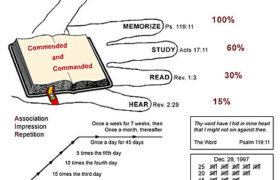
Receiving the Word: How Meditation Makes the Word Effectual By St. Andrew’s Orthodox Celtic Church Introduction: When Hearing Becomes Receiving In the parable of the sower, Christ said that the seed is the Word of God. Some fell on stony ground, some among thorns, and others on good soil. But only the word that was […]
The Knights Templar in Poland: The Piast Monarchs and the Silesian Frontier

The Knights Templar in Poland: The Piast Monarchs and the Silesian Frontier (Expanded Edition) Introduction Long before the dissolution of the Knights Templar in France, Poland had already become one of their most loyal strongholds. The Piast monarchs—Poland’s founding dynasty—saw in the Order not merely foreign crusaders but partners in the sacred defense of Christendom. […]
Short Biography: Pastor Leroy F. Crouch (1936-1999)

Leroy Frederick Crouch (1936–1999) Early life and education The late Bishop Rev Leroy Frederick Crouch was born on February 16, 1936, in Santa Barbara, California, to Frank Leroy Crouch and Helene Marie (Pixner) Crouch. He grew up in Southern California. After a Divine encounter at the age of 16 he felt a calling to ministry […]
The Persistence of Prayer: Repetition as Faith, Not Vanity

The Persistence of Prayer: Repetition as Faith, Not Vanity By St. Andrew’s Orthodox Celtic Church Introduction: Yom Kippur and Covenant Prayers In ancient Israel on the high holy day of Atonement (Yom Kippur), all of Israel bowed low before the Lord YHWH. The entire nation fasted and prayed unceasingly for the blood of atonement to be […]
The Principality of Wolfenbüttel – Booklet

The Principality of Wolfenbüttel Sovereignty in Exile and the Continuity of the House of Brunswick Mass-Market Narrative Edition Publication Notice (Mass-Market/Free Edition) A scholarly archival edition—containing certified exhibits, translations, facsimiles, docket excerpts, and a full evidence book—is maintained separately for institutional researchers, libraries, jurists, and accredited scholars. Access is granted on a cost-recovery basis […]
1 in 3 Teens Have Prediabetes, CDC Data Shows
Prediabetes is a silent condition that develops when your blood sugar runs higher than normal but not yet high enough to qualify as diabetes. In teens, it often goes unnoticed because there are no clear warning signs. Some young people might feel more tired than usual, get thirsty often, use the bathroom more, or even notice changes in their vision, but many feel nothing at all.
That hidden nature is what makes it dangerous — by the time it progresses into Type 2 diabetes, the damage to your body has already begun. This stage of poor blood sugar control is not just about diabetes risk. It also raises your odds of heart disease, stroke, and other chronic problems that shorten a young person’s healthy years of life.
Experts describe it as a warning light, signaling that the body’s energy system is under strain. The fact that this is happening more frequently in teenagers reflects a larger metabolic crisis that now touches both adolescents and adults. Recognizing that these changes are showing up so early in life is what makes the new data so important.
The U.S. Centers for Disease Control and Prevention (CDC) has revealed just how many teens are already living with prediabetes and how quickly the problem is growing. That evidence gives us a clearer picture of what’s happening inside adolescent bodies — and why urgent changes are needed to protect their future health.
CDC Data Reveals a New Reality for Teen Prediabetes
Using data from the National Health and Nutrition Examination Survey (NHANES), researchers analyzed the health status of adolescents ages 12 to 17.1 They defined prediabetes as fasting glucose between 100 and 125 milligrams per deciliter or an A1c — a blood test that shows your average blood sugar over the past three months — between 5.7% and 6.4%. Their goal was to estimate how many teens in the U.S. are living with this condition.
• The study revealed just how widespread prediabetes in teens has become — In 2023, 32.7% of adolescents — roughly 8.4 million young people — were living with prediabetes. That means about 1 in 3 U.S. teenagers is already showing early signs of metabolic dysfunction. These figures are based on a nationally representative sample, which makes them a reliable reflection of the population at large.
• This health crisis is not limited to one group — Risk factors like being overweight, having a parent or sibling with Type 2 diabetes, and being physically inactive were strongly tied to prediabetes.2 In other words, if you have a family history or live a sedentary lifestyle, your chances of developing prediabetes as a teen are higher.
• The rate of prediabetes is climbing compared to earlier years — When researchers adjusted older data with their updated methods, they found that from 2005 to 2016, the prediabetes prevalence for adolescents would have been 28%. Today, that number has jumped to nearly 33%, showing a rapid increase over just a few years. That shift represents millions of additional teens now entering adulthood burdened with impaired glucose control.
• Teens with prediabetes are already on the path to serious disease — The CDC called this condition a “warning sign” because it signals a much higher chance of progressing to Type 2 diabetes, heart disease, and stroke. For parents and young people, that means ignoring these early signals sets the stage for lifelong health struggles.
About 2.5% of teens had both abnormal fasting glucose and abnormal A1c readings, a stronger indicator of metabolic dysfunction. For these adolescents, the risk of rapid progression to Type 2 diabetes is especially high. Dr. Christopher Holliday of the CDC told ABC News, “Type 2 diabetes poses a significant threat to young people’s health,” emphasizing the importance of intervening now.3
Lifestyle Choices Today Decide Whether Prediabetes Becomes Diabetes Tomorrow
Being overweight, eating ultraprocessed foods, and not staying active increases prediabetes risk. This gives you practical leverage: by encouraging your teen to move more, eat whole foods, and avoid processed junk, you dramatically cut their chances of developing diabetes. Holliday stated, “Simple life changes — like healthy eating and staying active — can make a big difference in preventing or delaying Type 2 diabetes.”4
• Biological mechanisms explain why prediabetes leads to disease — Elevated glucose levels damage the lining of blood vessels, increase oxidative stress, and strain your pancreas as it struggles to produce more insulin. Over time, this wears down your body’s ability to manage blood sugar, eventually leading to full Type 2 diabetes. Once that threshold is crossed, your risk of nerve damage, kidney disease, heart disease, and vision loss becomes much greater.
• Prediabetes disrupts your body’s energy system through mitochondrial dysfunction — Your mitochondria are the tiny power plants inside your cells that convert glucose into usable energy.
In prediabetes, insulin resistance prevents glucose from entering cells efficiently, and when mitochondria are already damaged, this process breaks down even further. Instead of fueling your cells, sugar piles up in your bloodstream, leaving your body both overloaded and starved at the same time.
This mismatch drains your teen’s energy, reduces motivation, and traps them in a cycle of fatigue and poor metabolic health that grows worse without intervention. When mitochondria falter, especially in tissues like your pancreas, liver, and fat cells, the risk of progressing from prediabetes to diabetes skyrockets because insulin-producing cells stop working properly.
• The scale of the problem is reshaping the health landscape — The CDC reported that adult diabetes diagnoses, which had been declining for more than a decade, are no longer falling. In 2023, about 1.5 million adults were newly diagnosed with diabetes.5 This parallel trend suggests that teens with prediabetes today are tomorrow’s diabetes patients, adding further strain to families, communities, and health care systems.
• The research underscores the urgency for early action — For your teen, this means understanding that their daily choices — what they eat, how much they move, and how they manage stress — have a direct impact on whether they prevent or reverse prediabetes or slide into diabetes. Framing the challenge as a winnable game is key: track progress, set goals, and celebrate small victories, because each step away from ultraprocessed foods and inactivity is a step toward restoring energy and health.
Simple Steps to Help Your Teen Reverse Prediabetes
Hearing that 1 in 3 teens has prediabetes is alarming for any parent. But this isn’t a dead end — it’s a warning light. Prediabetes means your child’s cells aren’t making energy the way they should, and that drives blood sugar higher than normal.
The good news is that you can help them turn this around before it develops into something much more serious. These steps are practical changes you can start making at home that support your teen’s health in ways they’ll actually notice — more energy, sharper focus, and better mood.
1. Clear vegetable oils and processed snacks from their diet — The first step is to look at the foods most teens eat: fries, chips, packaged snacks, and restaurant meals. Almost all of them contain vegetable oils like canola, soybean, and sunflower oil. These oils are rich in linoleic acid (LA) that damages your mitochondria, setting the stage for blood sugar problems.
Replace them with foods prepared at home using butter, ghee, or tallow. For snacks, encourage whole-food options like fruit or grass fed cheese. Think of this as resetting your teen’s “energy software” so their body runs on full power again.
2. Reintroduce carbohydrates in a smart way — Teens need carbs for energy, especially for growing bodies, busy school days, and sports. The problem is not carbs — it’s the wrong kind of carbs. If your teen has gut issues, start with gentle foods like white rice and fruit.
As their digestion improves, expand to root vegetables, beans, and whole grains. Carbs fuel the brain and muscles, so the right amount helps them concentrate in class, perform better in sports, and stay in a good mood instead of crashing.
3. Reduce exposure to everyday toxins — Your child is exposed daily to plastics, personal care products, and nonstop Wi-Fi. These stressors interfere with their body’s ability to make energy. Small changes add up: switch to glass or stainless steel water bottles, avoid microwaving food in plastic, and encourage them to keep their phone out of their pocket and away from their bed at night.
If your teen likes challenges, frame this as a “low-plastic” or “phone-free sleep” experiment — they’ll be more likely to stick with it if it feels like a goal instead of a rule.
4. Build in regular sunlight for natural energy — Sunlight charges more than vitamin D. It triggers melatonin inside mitochondria, which protects energy production. Encourage sun exposure daily — walking the dog, biking to a friend’s house, or sitting outside after school.
If your family has eaten a lot of vegetable oils in the past, give it at least six months of reducing them before getting longer midday sun exposure, because those oils increase the risk of sunburn. Over time, daily sunlight helps improve sleep, mood, and energy regulation in teens.
5. Use the HOMA-IR test as a tracking tool — One of the most motivating ways to help your teen is to make progress visible. Recognizing insulin resistance early is essential, as it’s a warning sign for your metabolic health — one that often precedes Type 2 diabetes.
The HOMA-IR (Homeostatic Model Assessment of Insulin Resistance) test is a valuable diagnostic tool that helps assess insulin resistance through a simple blood test, so you can spot issues early and make necessary lifestyle changes.
Created in 1985, it calculates the relationship between your fasting glucose and insulin levels to evaluate how effectively your body uses insulin. Unlike other more complex tests, HOMA-IR requires just one fasting blood sample, making it both practical and accessible. The HOMA-IR formula is as follows:
HOMA-IR = (Fasting Glucose x Fasting Insulin) / 405, where
• Fasting glucose is measured in mg/dL
• Fasting insulin is measured in μIU/mL (microinternational units per milliliter)
• 405 is a constant that normalizes the values
If you’re using mmol/L for glucose instead of mg/dL, the formula changes slightly:
HOMA-IR = (Fasting Glucose x Fasting Insulin) / 22.5, where
• Fasting glucose is measured in mmol/L
• Fasting insulin is measured in μIU/mL
• 22.5 is the normalizing factor for this unit of measurement
Anything below 1.0 is considered a healthy HOMA-IR score. If you’re above that, you’re considered insulin resistant. The higher your values, the greater your insulin resistance. Conversely, the lower your HOMA-IR score, the less insulin resistance you have, assuming you are not a Type 1 diabetic who makes no insulin.
Interestingly, my personal HOMA-IR score stands at a low 0.2. This low score is a testament to my body’s enhanced efficiency in burning fuel, a result of increased glucose availability. By incorporating additional carbohydrates into my diet, I provided my cells with the necessary energy to operate more effectively.
This improved cellular function has significantly boosted my metabolic health, demonstrating how strategic dietary adjustments lead to better insulin sensitivity and overall metabolic performance.
FAQs About Prediabetes in Teens
Q: What does it mean if my teen has prediabetes?
A: Prediabetes means your teen’s blood sugar is higher than normal but not high enough for Type 2 diabetes. It’s a warning sign that their body is struggling to manage sugar, and without changes, it often leads to diabetes, heart disease, or stroke.
Q: How common is prediabetes in teenagers?
A: According to the CDC, about 1 in 3 U.S. teens — around 8.4 million adolescents — now live with prediabetes. This number has climbed quickly in recent years, showing that the problem is getting worse, not better.
Q: What are the biggest risk factors for teen prediabetes?
A: Being overweight, eating a diet high in ultraprocessed foods, not getting enough physical activity, and having a family history of diabetes all increase the chances of developing prediabetes.
Q: What happens inside my body during prediabetes?
A: In prediabetes, insulin resistance prevents glucose from moving into cells efficiently. This overloads your bloodstream with sugar, damages blood vessels, and wears out your pancreas. Over time, your body loses its ability to control blood sugar, which leads to diabetes and other health issues.
Q: What can parents do to help their teen reverse prediabetes?
A: Parents can support their teen by clearing vegetable oils and processed snacks from the diet, offering healthy carb sources like fruit, reducing toxin exposure, encouraging daily sunlight, and tracking progress with tools like the HOMA-IR test. Small, consistent changes restore energy, improve mood, and lower the risk of diabetes.
Test Your Knowledge with Today’s Quiz!
Take today’s quiz to see how much you’ve learned from yesterday’s Mercola.com article.
As a parent evaluating pediatric guidance, what key red flag should you watch for given these concerns?
Drug company funding tied to pediatric associations to restrict parental control
The American Academy of Pediatrics receives funding from major pharmaceutical companies, influencing policies that promote more medical interventions while limiting parental authority. Learn more.
Independent funding sources that are entirely free from corporate influence
A prevention-first approach designed to address the root causes of illness
Expanded decision-making rights granted directly to parents on child health
The Eternal Law, the New Covenant, and the Misunderstanding of Love and Liberty

The Eternal Law, the New Covenant, and the Misunderstanding of Love and Liberty by Rev Dr Stephen MK Brunswick, ThD, PhD. Professor, Priory of Salem, Institute of Theology Primace, St Andrew’s and St Joseph’s Orthodox Church of the Culdees https://orthodoxchurch.nl https://celticorthodoxy.com Many today claim, “There are only two commandments now,” as if Christ somehow abolished […]
Stephen Gardner 9/11/2025
Stephen Gardner talks with Colonel Macgregor on current events. https://www.bitchute.com/video/ZsWNZjeOFJa2 https://youtu.be/cqZh0B5A1tU
Redacted 9/4/2025
“The CIA is inside Venezuela right now” Col Macgregor says regime change is coming Bitchute: https://www.bitchute.com/video/k2HOxCu12spN/YouTube: https://youtu.be/AW72OLUfOKc
Judge Napolitano-Judging Freedom 9/4/2025
COL. Douglas Macgregor : Trump and the Constitution. Bitchute: https://www.bitchute.com/video/G82lkYz9O3PT/ YouTube: https://youtu.be/R4ZVegFxTA4
Daniel Davis/Deep Dive 9/4/2025
Col Doug Macgregor: ‘Coalition of the Willing’ Strikes Again Bitchute: https://www.bitchute.com/video/IkR40sD69k88 YouTube: https://youtu.be/Oo3t-WjM_ow
The National Conversation with Colonel Macgregor
Come Join Colonel Macgregor, Judge Napolitano and Natalie Burnell on October 4, 2025 in Dallas, TX Bitchute:https://www.bitchute.com/video/eDde6qEG5BGY/Youtube:https://youtu.be/YYPp5tFr6dQ
Walking Faster Helps Prevent and Reverse Age-Related Frailty
Between 4% and 16% of Americans aged 65 years old and older are dealing with frailty, causing them to lose their strength, mobility, and independence.1 Not only does it make everyday life harder, but it also causes them to recover from illnesses slower.
Studies have also found that frailty prolongs hospital stays and doubles the risk of surgical complications. It’s also a compounding factor on why elderly people are moved to nursing homes or assisted care facilities.2
Defining Frailty
Frailty is a condition that affects many seniors today. News-Medical.net defines it as “a clinical condition in older adults characterized by increased vulnerability to health stressors and a higher risk of adverse outcomes, such as disability and hospitalization.”3
According to Johns Hopkins Medicine, to determine if you have this condition, you need to have at least three of these symptoms:4,5,6
Losing 10 pounds or more in the last year without trying
Having a weak grip or trouble standing up without assistance
You’re constantly exhausted, and doing simple tasks takes twice the effort
Low activity levels, such as exercise, household chores, or even enjoyable hobbies
A slow walking speed (it takes you more than six or seven seconds to walk 15 feet)
The good news is that frailty can be delayed, prevented, or even reversed — and small adjustments in your day-to-day habits will help improve your mobility. For example, one study found that how fast you walk could have a significant impact on how frailty affects you.
Faster Steps Lead to Noticeable Gains in Function Among the Elderly
A recent study published in PLOS One investigated whether older adults living with frailty could meaningfully improve their physical function by increasing their walking cadence (the number of steps you take per minute).7 Conducted by researchers from the University of Chicago, the study made use of structured walking programs to identify whether walking faster has clinically significant gains in real-world mobility.8
“People who haven’t experienced frailty can’t imagine how big a difference it makes to be able to not get tired going to the grocery store or not need to sit down while they’re out,” said Dr. Daniel Rubin, an anesthesiologist from the University of Chicago and the study’s lead author.9
• The study was a secondary analysis of a randomized controlled trial — It was conducted between 2017 and 2022 and involved 102 participants from 14 retirement communities in Chicago. The participants were aged 60 or older, and were classified as either prefrail or frail.
• The study also involved participants in a prefrail state — As its name implies, prefrailty is the period before frailty. This is when seniors have a higher risk of nutritional deficiencies, cognitive decline, physical impairment, and socioeconomic disadvantages. In this study, both frail and prefrail participants were still able to walk at least 10 feet with no more than moderate assistance.
• The participants were divided into two groups — During supervised sessions, one group was asked to walk at a comfortable, self-selected pace; they were called the casual speed walking (CSW) group. The other was instructed to walk “as fast as safely possible” — this was the high-intensity walking (HIW) group. The goal for the HIW group was to increase cadence by a specific number of steps per minute and hold that pace consistently throughout the program.
• The program ran for over four months — The participants attended 48 supervised walking sessions, each lasting 45 minutes. The sessions were divided into three phases:
◦ Acclimation — The participants were able to become comfortable with the routine and followed a steady walking pattern.
◦ Ramp-up — Intensity increased, and those in the HIW group were guided to reach 70% of their maximum heart rate, a level considered moderate-to-vigorous intensity for older adults.
◦ Intervention — The full training goals were applied consistently — the participants maintained their target pace and intensity over the remainder of the program, continuing to receive motivational prompts to keep cadence high.
• By the end of the study period, the median cadence for the HIW group reached 100 steps per minute — This was a significant difference compared to just 77 in the CSW group.10 The researchers also found that 65% of those in the HIW group improved their six-minute walk distance by at least 30 meters, which is considered a meaningful change in functional capacity for frail adults. Only 39% of the slower group reached that same benchmark.
“What we ended up finding was that those who are able to walk faster, particularly at a cadence 14 steps per minute faster than their usual pace, were more likely to improve in their mobility or endurance or function,” Rubin said.
“In particular, we were targeting to try to really improve (people’s) mobility and their function, just because prefrail and frail older adults tend to be a little bit more limited, at least in the concept of physical frailty.”11
Yet Another Reason to Incorporate Walking Into Your Daily Routine
The mechanism behind these results is rooted in the way walking benefits your well-being. Walking is a low-impact and moderate-intensity exercise that you can do virtually anywhere for free. It doesn’t require any special skills, equipment, or a gym membership — all you need is a comfortable pair of shoes. It’s easy to integrate into most people’s routines, regardless of fitness level or age, including those in their golden years. And now, you can further intensify the effects by increasing your steps.
• The benefits of brisk walking are multifaceted — Walking by itself engages your cardiovascular, muscular, and nervous systems simultaneously. But when you increase cadence, you amp it up further, as your muscles contract more frequently, building endurance in the lower body.
• Increasing your steps also elevates your heart rate to a moderate intensity zone — It helps improve blood flow and oxygen delivery to working muscles. Over repeated sessions, this increased demand conditions your heart, lungs, and muscles to handle greater loads without fatigue.
• Even a modest amount of walking significantly boosts longevity — According to a study published in JAMA Network Open, adults who walked 8,000 steps or more within one or two days a week had a notably lower risk of all-cause and cardiovascular mortality.12
• Moderate exercises like walking contribute to a dose-dependent decreased risk of chronic diseases and illnesses — These include diabetes, depression, high blood pressure, coronary disease, osteoporosis, sarcopenia, falls, and more. According to an article in the journal GeroScience:
“Walking decreases the risk or severity of various health outcomes such as cardiovascular and cerebrovascular diseases, Type 2 diabetes mellitus, cognitive impairment and dementia, while also improving mental well-being, sleep and longevity …
Walking’s favorable effects on cardiovascular risk factors are attributed to its impact on circulatory, cardiopulmonary and immune function. Meeting current physical activity guidelines by walking briskly for 30 minutes per day for 5 days can reduce the risk of several age-associated diseases.”13
For more information on how walking benefits your health, read my article “The Benefits of Walking — How to Get More Steps in This Summer.”
So How Do You Measure and Improve Your Walking Cadence?
The first step is to identify your baseline by measuring the number of steps you take every minute. From there, increase your pace slightly, finding a level that allows you to walk faster but still feel comfortable.14
• A smartphone app designed to measure walking cadence is in the works — Rubin and his team are in the process of creating “Walk Test,” an app that is specially designed to accurately measure walking cadence. According to validation testing results, the app was able to count steps per minute with impressive accuracy.
“We didn’t necessarily trust smartphones’ built-in analytics. Instead, we built an app that uses a novel open-source method to analyze the data measured by the phone and lets us actively engage users in brief, deliberate walking tests, ensuring accurate measurement,” Rubin said.15
• Walk Test was also designed to be accessible and user-friendly, especially to older audiences — As Rubin notes, “We wanted to make it as low-barrier as possible so it’s easy for older adults to use without additional equipment. The people who need the most help are usually the least well-equipped to get started.”
• Consider using a metronome app — Often used by musicians, this is a tool that produces a steady beat so they can maintain their rhythm while playing an instrument. Since the Walk Test is still in the works and is not yet released to the public, this type of app will allow you to match your steps to a consistent beat.
Practical Steps to Address the Root Causes of Frailty
If you are starting to notice signs of slowing down, the most important thing is to address what’s driving that loss of strength, stamina, and independence. With the right daily habits, you’ll be able to rebuild resilience from the ground up. These are some steps I recommend — They target the cause, not just the symptoms.
1. Increase your walking cadence gradually — Start by measuring your normal walking pace — count how many steps you take in one minute. Then, add about 5 steps per minute for a week or two, and build toward adding 14 extra steps per minute over time.
This small, consistent increase is enough to improve how far and how long you can walk without fatigue. If you struggle to keep pace, use a metronome app to stay on beat and hold your speed steady.
2. Strengthen your muscles — If your muscles are weak, your body can’t support a faster, more efficient walking pace. Consider incorporating simple strength training moves like squats, seated leg lifts, or light resistance band exercises two to three times a week. Even small improvements in muscle strength will make walking easier and help you stay steady on your feet.
3. Support your mitochondria through nutrition — Known as the powerhouse of the cell, the mitochondria works best when you give it the right fuel. Eat enough high-quality protein — around 0.8 grams per pound of lean body mass — with one-third coming from collagen sources like slow-cooked meats or bone broth. Include at least 250 grams of clean carbohydrates daily from fruit, root vegetables, and whole food sources to keep energy production strong.
Lastly, stay away from seed oils and processed foods that are loaded with linoleic acid (LA), as they only wreck your health. I recommend joining the waitlist for my new Mercola Health Coach App, which features the Seed Oil Sleuth, which will calculate your LA intake to the tenth of a gram from the food you eat.
4. Practice consistent recovery and breathing habits — Recovery is as important as movement. Incorporate nasal breathing during walks — inhale through your nose, exhale through your mouth — to improve oxygen delivery and lower blood pressure. Make sure you get restorative sleep and spend at least 30 minutes in natural light daily to support circadian rhythm and energy balance.
Frequently Asked Questions (FAQs) About Frailty
Q: What is frailty and how does it affect older adults?
A: Frailty is a clinical condition marked by symptoms like unintended weight loss, weakness, exhaustion, low activity, and slow walking speed. It reduces independence, slows recovery from illness, and raises the risk of hospital stays and complications.
Q: How can walking faster help prevent or reverse frailty?
A: Research from the University of Chicago found that increasing walking pace by about 14 steps per minute improves mobility, endurance, and functional capacity in frail or prefrail older adults.
Q: What did the walking program in the study involve?
A: The four-month program included 48 supervised sessions lasting 45 minutes each, progressing through acclimation, ramp-up, and intervention phases, with faster walkers reaching about 100 steps per minute.
Q: What other benefits does brisk walking provide?
A: Besides improving mobility, brisk walking strengthens muscles, boosts cardiovascular health, enhances oxygen delivery, supports energy production, and lowers the risk of chronic diseases like heart disease, diabetes, and osteoporosis.
Q: What steps can I take to address the root causes of frailty?
A: You can gradually increase your walking cadence, add muscle-strengthening exercises, eat nutrient-rich foods to support energy production, and practice nasal breathing for better stamina and recovery.
Breaking Free from Seed Oils and Microplastics: How NTA International Is Shortening the Detox Timeline
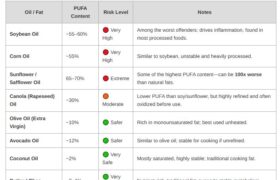
At www.watchman.news, a public service of the Orthodox Church, we are committed to raising awareness on issues that affect the health and wellbeing of families and communities. Today we’re sharing an important article on how long-lasting toxins—seed oils and microplastics—can linger in the body for years, fueling inflammation and chronic health struggles. This is not […]
Ron Paul Institute 8/16/2025
Col Douglas Macgregor: “War, Debt and Revolution” Doug Macgregor breaks the bad news to America – things are worse than people understand. Bitchute: https://www.bitchute.com/video/sKiYKldogNEL/ YouTube: https://youtu.be/Mbm3cmru9S4
Judge Napolitano-Judging Freedom 8/28/2025
COL. Douglas Macgregor : Does Trump Understand Russia? Bitchute: https://www.bitchute.com/video/ms7rx7jv80HW YouTube: https://www.youtube.com/watch?v=MMegLUNCiIY
MOATS George Galloway 8/27/2025
with Colonel Douglas Macgregor – Gaza: another day of massacres and famine under siege. – Ukraine: Russia’s inexorable advance, Western strategy in tatters. – Washington politics: no plan, no peace, only escalation. Bitchute: https://www.bitchute.com/video/YVCgzJOeDntM YouTube: https://youtu.be/TMrnDTb931k