
America’s Golden Age or Tough Times Ahead? Col. Macgregor on Global Trade War & Financial Reckoning Col. Douglas Macgregor — #1 most viewed guest — returns to the show! His analysis is thought-provoking and contrarian to mainstream consensus — we discuss the global trade tensions, U.S. vs China on tariffs, threat of war with Iran, […]
Category: News
Welcome to our Watchman News page.
Featured episode seen here on http://Watchman.news: (Please Subscribe to our Videos on Rumble)Streamed LIVE on:
Youtube: https://youtube.com/thebrunswickers
Rumble: https://rumble.com/c/c-1259872
MEWE Events: https://mewe.com/event/63f7a189c2d63505272fe4f3
Twitter: https://twitter.com/theBrunswickers
Facebook: https://www.facebook.com/groups/truesheep
New backups going online at brighteon, bitchute, and gab
This organization works in conjunction with Priory of Salem, Institute of Peace Studies, for members seeking peaceful orderly analysis of current events.
We focus on non-inflammatory approaches(not siding one against the other, but equal representation). We nourish a happy understanding of the good news in the Kingdom of Jesus Christ. This positive cultural foundation has ensured the most long term health in every area (spiritual, soul, body, social and financially).
For general news that may also be consulted, we have a live feed taken from many sources as found here: Daily News Updated to the Hour from Christian Nationalistic sources.
Glenn Diesen 5/9/2025
Colonel Douglas Macgregor on Victory Day and the consequences of NATO losing the proxy war in Ukraine Bitchute: https://www.bitchute.com/video/nrhLiReduCAe YouTube: https://youtu.be/H3NyhR0HugM
Judge Napolitano/Judging Freedom 5/6/2025
Is Iran a Threat to the U.S.? Bitchute: https://www.bitchute.com/video/rtDZvr0auhQP Youtube: https://youtu.be/bDe-3iXAIv8
1 in 3 Children Now Faces Chronic Health Conditions
Researchers have documented a dramatic rise in pediatric-onset chronic conditions over the last two decades. The most common examples include asthma, attention-deficit hyperactivity disorder (ADHD), and prediabetes (which develop into full diabetes over time), leading to an increased risk of heart disease, nerve damage, and kidney failure. In the United States, nearly one in three children is living with these chronic conditions.
If you think this issue only impacts their childhood, think again — children do not outgrow these health challenges, but actually carry them into adulthood.
Chronic Health Conditions in Kids Are Rising Faster Than You Think
A recent study published in Academic Pediatrics examined how chronic health conditions in children and young adults have changed in the United States from 1999 to 2018. Conducted by researchers from Harvard Medical School, the study focused on conditions that begin in childhood and continue into adulthood.
Their goal was to show how big the problem has become, which conditions are rising the fastest, and how these health burdens affect both children and society at large.1
• Researchers studied a large, diverse group across the country — The study included a nationally representative sample of 236,412 individuals between ages 5 and 25. The data was from the 1999 to 2018 National Health Interview Survey (NHIS). According to News-Medical.Net, the researchers “estimated the annual average increase in chronic conditions (CC) and functional limitations (FL) over time.”2
• Nearly one in three children had a chronic condition by 2018 — The researchers found that the frequency of chronic conditions among children ages 5 to 17 years increased from about 23% in 1999/2000 to over 30% by 2017/2018. Even more concerning, the study estimated that 1.2 million young people with chronic conditions are now entering adulthood each year, carrying these challenges into college, work, and adult life.
• Asthma, ADHD, autism, and prediabetes are leading the increase — Asthma, ADHD (attention-deficit hyperactivity disorder), autism, and prediabetes are the top drivers of this growing problem. These conditions interfere with learning, playing, and building relationships.
• The numbers show steady and consistent growth — According to their findings, ADHD rates jumped by 0.24 percentage points per year, while autism diagnoses went up by 0.13 percentage points annually. Asthma cases climbed by 0.12 percentage points per year, and prediabetes in young adults rose by 0.12 percentage points annually.
While these yearly changes seem small, they build up to massive increases over time. If you have children, this means their schools, sports programs, and healthcare providers are dealing with far more chronic conditions than ever before — and they may not be ready to handle it well.
Low-Income Families Are Being Hit the Hardest
The study found clear inequalities among the children who develop chronic conditions. In particular, less privileged children have a higher risk of these illnesses.3
• Children from families earning below the poverty line are mostly affected — These children had a 3.39 percentage point higher chance of having chronic conditions. Children on public insurance had an 8.63 percentage point higher prevalence compared to those with private insurance.
• Poverty and lack of stable employment are directly tied to poorer health outcomes — Children with unemployed parents had a 7.65 percentage point higher rate of chronic conditions. This makes it clear that poverty and lack of stable employment are directly tied to poorer health outcomes for kids. If you’re facing financial stress, your children are at greater risk, not just because of genetics, but also because of barriers to care and nutrition.
• These conditions lead to physical, emotional, and educational limitations — Children who struggle with these conditions experience speech problems, musculoskeletal pain, and weakness, and emotional challenges like anxiety and depression. These issues make it harder for kids to succeed in school, participate in physical activities, and build friendships.
As children age, these struggles compound, leading to lower job prospects and higher healthcare costs. This means parents need to watch for early warning signs and work proactively to support their child’s development and mental health.
What Are the Other Contributing Factors to Chronic Conditions in Children?
The authors noted that other factors may be affecting disease rates, such as regional differences. Their findings note that children in the Southern U.S. had the highest rates of chronic conditions, while those in the Western region had the lowest. If you’re in a high-risk area, it’s worth taking extra steps to reduce environmental triggers and promote healthy habits.4
• Poor diet, pollution, and stress are major contributors — While the study didn’t dive into microscopic details, it was clear that environmental exposures, chronic stress, and poor diet all contribute to these rising conditions.
For asthma, pollutants and allergens are major triggers. Prediabetes develops from eating too many processed foods and not getting enough movement, which leads to insulin resistance — where your body stops responding properly to insulin, making blood sugar levels rise. ADHD and autism likely also have environmental and dietary factors involved.
• Transitions to adult healthcare are failing — Children and young adults with chronic conditions often lose support when they age out of pediatric care. This makes managing their conditions harder, leading to emergency room visits, missed work, and increased expenses. If you have a teenager with a chronic condition, you need to help them plan and prepare for managing their health as adults.
• Early detection and prevention are key to reducing the burden — The researchers emphasized that treatment is not enough. Parents and pediatricians need to work together to look for early signs like fatigue, changes in behavior, or physical symptoms like wheezing and weight gain.
Addressing these issues early helps stop long-term damage and improves outcomes. Lauren Wisk, assistant professor of medicine at UCLA and the study’s lead author, said:
“Most youth with chronic conditions need to access health and social services for the rest of their lives, but our health system is not set up to successfully move young people from pediatric to adult focused care and so many of these youth are at risk of disengaging with care and experiencing disease exacerbations.
We should invest in assisting these youth in engaging appropriately with healthcare across their lifespan in order to protect their health and well-being, and to facilitate their maximum participation in society with respect to education, vocation, social groups, and community spaces.”5
What’s Triggering the Rising Autism and ADHD Rates?
According to Autism Parenting Magazine, about one in 36 children are now diagnosed with this condition — that’s 241% higher compared to autism rates in 2000.6 As for ADHD, approximately 6% of youth and 2.5% of adults are affected globally. The rise in these disorders is alarming, with evidence pointing to gene-environment interactions as key contributors to their development.7
• The causes of autism are complex — There are both genetic and environmental factors involved. One significant factor is parental chemical intolerance, which is often linked to toxicant-induced loss of tolerance (TILT), where exposure to certain chemicals leads to heightened sensitivity.
• Toxic pesticides, heavy metals and food packaging chemicals are driving autism and ADHD rates — According to one study published in Pediatrics journal, “[G]estational exposures to some neurotoxic and endocrine-disrupting pesticides, including organochlorines, organophosphates, and pyrethroids, increase the chances of an autism diagnosis or autism-related behaviors in children.
Evidence is emerging that other toxic chemicals are associated with autism or autism-related behaviors, notably phthalates, ubiquitous chemicals that cause a decrease in testosterone.”8
• Poor gut health in early life is also a major factor — This disrupts brain development through the gut-brain axis. According to research, children diagnosed with autism or ADHD often lack key gut bacteria like Akkermansia muciniphila, Bifidobacterium and Faecalibacterium. These beneficial microbes are essential for regulating inflammation and producing neurotransmitters that support mood and brain function.9
• Electromagnetic fields (EMFs) are another growing concern — EMFs activate voltage-gated calcium channels (VGCCs), leading to oxidative stress, mitochondrial dysfunction, and inflammation in the brain.
These effects interfere with brain development, particularly in pregnant women and young children, whose developing nervous systems are especially sensitive to environmental stressors. To learn more about this, read “The Invisible Risk Factor of Autism.”
• Nutritional deficiencies often add to these challenges — Diets loaded with processed foods, refined sugars, and inflammatory omega-6 fats like linoleic acid (LA) deprive the body of nutrients critical for brain health. Poor nutrition not only impairs cognitive function but also amplifies the impact of other environmental stressors, creating a compounding effect on brain development.
Childhood Obesity Is Now a Widespread Problem
Childhood obesity poses significant health risks, affecting children’s physical and emotional well-being. It leads to complications like insulin resistance, impaired glucose tolerance and dyslipidemia. If left unaddressed, it leads to more severe health complications like prediabetes, high blood pressure and early mortality.10
• Millions of children worldwide are now obese — More than 340 million children and adolescents are affected worldwide. In the U.S., one in five children and adolescents is obese.11 Among 2- to 19-year-olds, the prevalence of obesity was 19.7% from 2017 to 2020, or 14.7 million individuals affected.12 Early obesity is strongly predictive of obesity in later life, with 90% of children who are obese at age 3 still obese in adolescence.13
• Childhood obesity raises the risk of physical and mental health conditions — These include high blood pressure, Type 2 diabetes, asthma sleep apnea, joint problems, and gallbladder disease. It also takes a mental toll and is associated with an increased risk of anxiety, depression, low self-esteem, social problems, and lower quality of life.
• Four factors account for majority of childhood obesity — One study notes that there are four primary factors that, when combined, account for nearly half of obesity cases in young children. These include lower food security during infancy, early exposure to screens and digital gadgets, not getting adequate sleep and regular consumption of processed foods, including fast food and soda.14
Part of the problem with addressing and resolving childhood obesity is that the nutritional guidance children and their parents get is flawed — the focus is on reducing saturated fats and other whole foods, while promoting vegetable oils and heavily processed, low-fat diets. This triggers a catastrophic cascade of health declines rooted in mitochondrial dysfunction and insulin resistance. To learn more about this, read “Toddler Obesity Is on the Rise.”
The Benefits of Breastfeeding Are Being Sidelined in Favor of Infant Formula
Another notable reason why childhood illnesses are now rampant is that many parents are choosing to bottle-feed their babies, causing them to miss out on the wholesome benefits of breast milk. Thanks to infant formula marketing, our current culture now views breastfeeding as a lifestyle choice rather than a biological norm.
• Societal expectations undermine breastfeeding — In the West, mothers often feel pressured to stop breastfeeding once their child turns 1 year old. It’s often framed as inconvenient or unnecessary to breastfeed a baby once they reach this age. Furthermore, women who extend breastfeeding beyond a year are often seen as “weirdos” or overly attached.
• Breast milk is called “liquid gold” for a reason — Unlike formula, breast milk offers a unique blend of antibodies, immune factors, hormones and stem cells that tailor themselves to the needs of the child. It’s dynamic, adjusting its composition in response to cues from the baby’s saliva and feeding frequency.
• Breastfeeding bolsters your child’s immunity and cognitive health — Breastfed infants have better immune responses, lower risks of respiratory infections and better cognitive development. Studies suggest that breastfed babies often score higher on IQ tests.15
• It’s also associated with a lower risk of being overweight and obese — Not only does exclusive breastfeeding prevent the early introduction of foods that may trigger weight gain, but it also establishes a healthy gut microbiome, which is key to lifelong health.16
• Breastfeeding benefits mothers as well — They have lower risks of postpartum depression, premenopausal cancers, osteoporosis, and other diseases. Breastfeeding is also instrumental in establishing a bond between mother and child.
Absolutely nothing compares to breast milk in terms of nutrition, so if you are a new mother and still lactating, breastfeeding would be the best choice for both you and your child to help them avoid these chronic health conditions from childhood until adulthood. I recommend reading “The Power of Breastfeeding” to learn more about the benefits of breastfeeding.
Fostering Healthy Habits Early in Life Is Key to Preventing Chronic Conditions
The chronic conditions covered by the featured study are driven by poor diet, stress, pollution, and lack of access to healthy habits from the start. If you feel overwhelmed, don’t be. There are strategies to help your child avoid becoming part of these statistics. I’ve put together five steps you use right now to reduce risk and support their long-term health.
1. Clean up your child’s diet and remove inflammatory foods — Eliminate processed foods, seed oils, and anything made with high amounts of processed sugar. Start cooking simple meals at home with animal-based proteins, grass fed butter, ghee, root vegetables, white rice and whole fruits. If your child has gut issues or food sensitivities, start with easily digestible carbs like white rice and whole fruits.
Avoid store-bought sauces and packaged snacks that are filled with chemicals and hidden industrial fats. If you are not sure what’s safe, use this rule — If it comes in a box with marketing on the front, don’t buy it.
2. Reduce exposure to environmental toxins — If you live in a polluted city or near industrial areas, filter your indoor air. Avoid synthetic fragrances, candles and harsh cleaning chemicals. Focus on using simple products — baking soda, vinegar, and natural soap go a long way. If your child has asthma, this step is non-negotiable. Removing environmental irritants gives their lungs a fighting chance.
3. Focus on sleep and stress management — Children need structured sleep routines. Aim for 10 to 12 hours of sleep for younger kids and at least nine hours for teenagers. Reduce their screentime — gadgets must be turned off an hour before bed.
If your child struggles with anxiety or behavioral issues, establish calming rituals like reading together, spending time outdoors, and cutting out high-sugar snacks that spike and crash energy levels. I recommend making sleep a family priority — it resets hormones, lowers cortisol, and allows their bodies to heal.
4. Prioritize safe movement and sunlight — Allow your child to play and spend time outdoors, especially if they have behavioral or mood issues. Light exposure in the morning improves mood, circadian rhythm, and brain function.
Walking, swimming, and gentle play help regulate energy, build strong muscles, and encourage healthy metabolism. Avoid over-scheduled lives packed with indoor screen time. Simpler routines with daily activity outdoors are the foundation for stable mental and physical health.
5. Watch for early warning signs and act quickly — If you notice weight gain, chronic fatigue, skin rashes, or changes in mood and focus, don’t ignore them. These are your body’s warning signals. Address them early with diet changes, detoxifying your environment, and restoring healthy sleep.
If your child has blood sugar issues or you suspect prediabetes, cut processed carbs and introduce balanced meals with protein, fiber, and clean carbs. Prevention is far easier than reversal, and you have control over these daily choices.
Frequently Asked Questions (FAQs) About Chronic Health Conditions in Children
Q: Why are so many kids developing chronic health conditions?
A: Poor diet, stress, pollution, and lack of movement are driving chronic conditions like asthma, ADHD, autism, and prediabetes. Kids today are exposed to processed foods, environmental toxins, and disrupted sleep, all of which raise their risk early in life.
Q: What are early warning signs to watch for in my child?
A: Look out for weight gain, fatigue, mood changes, skin issues, frequent wheezing, and trouble focusing. These are clear signals that your child’s health needs attention.
Q: How does poverty affect my child’s risk of chronic disease?
A: Children in low-income homes are more likely to face chronic conditions due to poor nutrition, lack of safe environments, and limited access to healthcare. Stability and clean food make a big difference.
Q: What are the initial steps I can take to help protect my child’s health?
A: Clean up your child’s diet, reduce environmental toxins, make sleep and stress management a family priority, encourage daily sunlight and movement, and act on early symptoms.
Q: Why does prediabetes matter for kids?
A: Prediabetes leads to full-blown diabetes if ignored, putting your child at risk for heart disease, nerve damage, and kidney failure. Nutritionally balanced, unprocessed meals, eliminating processed sugars, and active play are key prevention tools.
Test Your Knowledge with Today’s Quiz!
Take today’s quiz to see how much you’ve learned from yesterday’s Mercola.com article.
What does aspirin do in your body to support your T cells?
It creates more T cells to fight cancer
It blocks a substance that slows down your T cells’ activity
Aspirin inhibits a substance in your body that normally hinders T cell movement, allowing them to move freely and attack cancer cells more effectively. Learn more.
It directs T cells to focus only on cancer cells
It provides energy to your T cells for stronger attacks
Daniel Davis/Deep Dive 5/5/2025
Peace Talks Failing, Russia Takes Aim on the Battlefield Bitchute: https://www.bitchute.com/video/foZ1swqS9ZHr Youtube: https://youtu.be/zkwkIxrXa9k
MACGREGOR : EPISODE 1 : THE BORDER TRUTH
Introducing “MACGREGOR”, Starring Colonel Douglas Macgregor. The first episode of a NEW SERIES that gets to the core or major issues facing the US and the World. THE BORDER TRUTH features multiple “on the ground” experts across various fields on our ongoing border crisis with Mexico – Including: Pete “Doc” Chambers, Michael Yon, JJ […]
Judge Napolitano/Judging Freedom 5/1/2025
US/Ukraine Mineral/Security Deal: Insane or Provocative? Bitchute: https://www.bitchute.com/video/bBVIPW8r05FB YouTube: https://youtu.be/GkO0rA7zaYk
Redacted with Clayton and Natali Morris 5/1/2025
Putin says “Trump just BROKE the Zelensky Regime” and paved the way for peace, beware of false flags Bitchute: https://www.bitchute.com/video/mGAUIZFssRdT YouTube: https://youtu.be/lfxrHPEA1sE
MACGREGOR: Premier episode at 7:15pm eastern time: Border Truth
Tonight at 7:15 Eastern Standard Time is the launch Colonel Macgregor’s new series MACGREGOR. Here is the link to the livestream on X: https://x.com/i/broadcasts/1nAKEgMPvayJL YouTube: https://www.youtube.com/watch?v=nMRV1AoyZ4o Please spread the word.
Judge Napolitano/Judging Freedom 4/29/2025
COL. Douglas Macgregor : How Close to a Regional War? Bitchute: https://www.bitchute.com/video/ZbWiUXXtjJdp YouTube: https://youtu.be/MOzQgXEQrEk
Daniel Davis/Deep Dive 4/28/2025
Col Doug Magregor: It’s UKRAINE Prolonging this WAR Bitchute: https://www.bitchute.com/video/2ZnzXR7YAf7U YouTube: https://youtu.be/ebdfrBo-dUo
MACGREGOR : EPISODE 1 TRAILER
MACGREGOR : EPISODE 1 : THE BORDER TRUTH : TRAILER Our Country Our Choice https://www.youtube.com/watch?v=AIBNULHyoag
Glenn Diesen 4/24/2025
Walking Away from the Ukraine War & Restoring Strategic Clarity Bitchute: https://www.bitchute.com/video/oKYpOydfP7HcYouTube: https://youtu.be/om-wKLcRiTc
Judge Napolitano/Judging Freedom 4/24/2025
COL. Douglas Macgregor : Will Netanyahu Attack Iran? Bitchute: https://www.bitchute.com/video/OORVCvCS56R4YouTube: https://youtu.be/GR6YwFHdnKY
Redacted with Clayton Morris 4/23/2025
Col. Douglas Macgregor “We need 40-60,000 American troops on OUR border ASAP” Bitchute: https://www.bitchute.com/video/Ycu2w1PsW8DQ YouTube: https://youtu.be/rcDGdEO8Pro
Daniel Davis/Deep Dive 4/22/2025
Trump Revealing Ukraine Peace Plan this Week Bitchute: https://www.bitchute.com/video/43fxqwgFBYlx YouTube: https://youtu.be/52TP6vfKxBA
David Krayden: Stand on Guard 4/22/2025
Canada Can’t Go it Alone, Straight Talk From Colonel Douglas Macgregor Bitchute: https://www.bitchute.com/video/i03BqMjmb628 YouTube: https://youtu.be/WT–0FvvmKE
The Norse-Gaelic Influence in Kievan Rus and the Celtic Church Legacy

The Norse-Gaelic Influence in Kievan Rus and the Celtic Church Legacy IntroductionThe development of Kievan Rus and its major cities, especially Kiev, has traditionally been narrated as a Scandinavian-Viking story. Yet a deeper layer emerges when considering the hybridized nature of the Norse colonies in Ireland and their transformation into Christianized polities. The Kingdom of […]
The Celtic Church in Kiev: Culdees, Chrodegang, and the Continental Expansion

The Celtic Church in Kiev: Culdees, Chrodegang, and the Continental Expansion Introduction Most people believe the Celtic Church faded into obscurity in the 7th century, overrun by Saxon advances and subsumed into Roman rites. But this is a historical oversight. The Celtic Church continued to flourish on the European continent (not just in Wales, Scotland […]
Redacted with Clayton Morris 4/17/2025
Trump Shutdown Israel’s Plans for War with Iran Bitchute: https://www.bitchute.com/video/ssmAbIod79SY YouTube: https://youtu.be/3QT9DTCbGQs
Stephen Gardner 4/17/2025
Trump Urged to STOP Ukraine’s CASH GRAB NOW! – Col. Douglas Macgregor Bitchute: https://www.bitchute.com/video/6ZZSvm4GpAjf YouTube: https://youtu.be/S72ZxOcLtGo
MOATS with George Galloway 4/16/2025
Episode 439 Give Peace A Chance Bitchute: https://www.bitchute.com/video/QkI4f0oLfWEF YouTube: https://youtu.be/1q5NYysEeOo
Judge Napolitano/Judging Freedom 4/15/2025
Colonel Douglas Macgregor: Will Zelensky and Neocons Reject Peace? Bitchute: https://www.bitchute.com/video/1bzd4IPt8lPZ YouTube: https://youtu.be/LX0jIN_MqJI
Daniel Davis/Deep Dive 4/15/2025
Colonel Douglas Macgregor: Trump and Zelensky at Odds/What this Means for Peace Talks. Bitchute: https://www.bitchute.com/video/2AtI38kynWqU YouTube: https://youtu.be/gyyciD6K31s
The Hidden Hazards of Improper Mask Use, Pamphlet: Misusing a mask is dangerous, mask safety
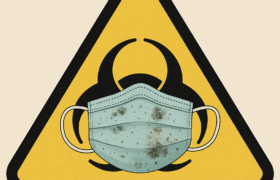
🛑 The Hidden Hazards of Improper Mask Use Protecting Health Means Using Masks Responsibly Download and Print this in Pamphlet form: The Hidden Hazards of Improper Mask Use.pdf 🔴 The Danger of Reusing Dirty Masks Most people never wash or replace their masks. Bacteria, mold spores, and other pathogens thrive in the warm, moist environment […]