
Category: News

Welcome to our Watchman News page.

Featured episode seen here on http://Watchman.news: (Please Subscribe to our Videos on Rumble)Streamed LIVE on:

Youtube: https://youtube.com/thebrunswickers

Rumble: https://rumble.com/c/c-1259872

MEWE Events: https://mewe.com/event/63f7a189c2d63505272fe4f3

Twitter: https://twitter.com/theBrunswickers

Facebook: https://www.facebook.com/groups/truesheep

New backups going online at brighteon, bitchute, and gab

This organization works in conjunction with Priory of Salem, Institute of Peace Studies, for members seeking peaceful orderly analysis of current events.

We focus on non-inflammatory approaches(not siding one against the other, but equal representation). We nourish a happy understanding of the good news in the Kingdom of Jesus Christ. This positive cultural foundation has ensured the most long term health in every area (spiritual, soul, body, social and financially).

For general news that may also be consulted, we have a live feed taken from many sources as found here: Daily News Updated to the Hour from Christian Nationalistic sources.

Aspartame Linked to Anxiety That Lasts Two Generations

Approved by the U.S. Food and Drug Administration in 1981, aspartame can now be found in close to 5,000 food and beverage products. Worldwide, 3,000 to 5,000 metric tons of aspartame are produced annually, and it’s widely consumed by adults, including pregnant women, and children.1

When you consume aspartame, it’s broken down into aspartic acid, phenylalanine — a precursor of monoamine neurotransmitters — and methanol, which may have “potent” effects on your central nervous system,2 Florida State University (FSU) College of Medicine researchers noted.

Their study, published in PNAS,3 raises more red flags about this synthetic sweetener. It not only linked aspartame to anxiety but suggests the mental health changes may be passed on to future generations.

Aspartame Induced Anxiety for Generations

The FDA’s recommended maximum daily intake value for aspartame is 50 milligrams per kilogram. The FSU study involved mice drinking water that contained aspartame at a dosage of approximately 15% of the FDA’s maximum daily intake for humans. The dose was equivalent to a human drinking six to eight 8-ounce cans of diet soda daily.4

The mice consumed the aspartame-laced water for 12 weeks, which led to “robust, dose-dependent anxiety.”5 “It was such a robust anxiety-like trait that I don’t think any of us were anticipating we would see,” study author Sara Jones said. “It was completely unexpected. Usually you see subtle changes.”6

The anxiety-like behaviors were evidenced during maze tests, and they persisted across multiple generations — passed down from male mice exposed to aspartame. When the mice were treated with the human anxiety drug diazepam, the anxiety-like behaviors disappeared. According to the study:7

“The anxiety was alleviated by a single administration of diazepam, a positive allosteric modulator of the GABA-A receptor, consistent with the key role of GABA-A receptors in the regulation of anxiety. RNA sequencing demonstrated significant changes in expression of genes associated with glutamatergic and GABA receptor signaling in the amygdala, a brain region associated with regulation of anxiety.

Perhaps even more strikingly, the anxiety phenotype, its response to diazepam, and changes in amygdala gene expression were transmitted from the aspartame-exposed male founders to their descendants.”

Aspartame Disrupts Gene Expression in the Brain

The study shows that exposure to aspartame disrupts gene expression in the amygdala brain region, which plays a role in the regulation of anxiety and fear responses.8 The disruptions persisted for at least two generations.

“What this study is showing is we need to look back at the environmental factors, because what we see today is not only what’s happening today, but what happened two generations ago and maybe even longer,” study co-author Pradeep Bhide, with FSU’s department of biomedical sciences, explained.9

Aspartame’s effects on the brain have been questioned for years. In 2018, researchers with Universiti Sains Malaysia found a connection between neurophysiological symptoms and aspartame, which can elevate levels of phenylalanine and aspartic acid in the brain.10

Elevated levels of these compounds may inhibit the release and synthesis of a number of regulators of neurophysiological activity, including neurotransmitters, dopamine, norepinephrine and serotonin. The researchers explained:11

“Aspartame acts as a chemical stressor by elevating plasma cortisol levels and causing the production of excess free radicals. High cortisol levels and excess free radicals may increase the brains vulnerability to oxidative stress which may have adverse effects on neurobehavioral health.

… We reviewed studies linking neurophysiological symptoms to aspartame usage and conclude that aspartame may be responsible for adverse neurobehavioral health outcomes. Aspartame consumption needs to be approached with caution due to the possible effects on neurobehavioral health.”

Neurophysiological symptoms that may be linked to aspartame consumption include:12

Learning problems
Headache
Seizure

Migraines
Irritable mood
Anxiety

Depression
Insomnia

Aspartic acid, which aspartame is broken down into, is also thought to act as an excitatory neurotransmitter in the central nervous system. Researchers have proposed since at least 2008 that consuming too much aspartame may cause certain mental disorders and result in “compromised learning and emotional functioning.”13

Caution may be especially warranted during pregnancy. In a study on newborn rats, those that consumed aspartame — via their lactating mothers that had been fed aspartame — experienced problems with development (weight loss) and behavioral changes suggestive of anxiety.14

Industry Spreads Myth That Artificial Sweeteners Are Safe

If you listen to industry front group the International Sweeteners Association, you’ll come away believing artificial sweeteners are not only safe but beneficial for weight management, diabetes and oral health.15 Even health officials and government groups have adopted the rhetoric that swapping sugar for artificial sweeteners is a good thing. As The Guardian reported:16

“Public health organizations around the world have largely accepted the sweetener industry’s claims, particularly when it comes to managing diabetes. One article on the NHS website quotes a dietitian who describes sweeteners as “a really useful alternative for people with diabetes who need to watch their blood sugar levels while still enjoying their favorite foods.””

Yet, a systematic review and meta-analysis conducted by the World Health Organization revealed, “there is no clear consensus on whether non-sugar sweeteners are effective for long-term weight loss or maintenance, or if they are linked to other long-term health effects at intakes within the ADI.”17

In fact, their study found, “There is suggestion of negative health effects with long-term use …”18 Cohort/case-control studies included in WHO’s systematic review revealed a range of concerning effects with artificial sweetener consumption, including increased:19

Obesity and body mass index
Type 2 diabetes

High fasting glucose
All-cause mortality

Cardiovascular disease mortality
Cardiovascular events

Stroke
High blood pressure

Bladder cancer
Premature birth

“In a startling turnaround,” The Guardian noted, “the WHO’s draft guidance stated that non-sugar sweeteners should ‘not be used as a means of achieving weight control or reducing risk of non-communicable diseases’ such as diabetes or heart disease. Suddenly, the whole rationale for sweeteners as a ‘healthy’ alternative looked much shakier.”20

Meanwhile, industry group The Calorie Control Council, whose members include Coca-Cola, PepsiCo and Cargill, said it was “disappointed” in WHO’s findings and continued to insist that artificial sweeteners are useful for managing body weight and blood sugar levels.21

Heart Disease, Stroke Among the Risks

Along with risks to brain health, consuming aspartame (Equal), acesulfame potassium and sucralose (Splenda) puts your heart health at risk as well. In a nine-year study involving 103,388 people, researchers linked the products to cardiovascular disease and stroke.22

Researchers from France studied the detailed dietary records of adults with an average age of 42.23 Specifically, three non-consecutive days (two weekdays and one weekend day) of 24-hour dietary records were assigned at the study’s start and again every six months thereafter. Participants detailed all foods and beverages they consumed during that time, including quantities, brand names and even photographs to validate the recordings.24

The dietary records were further validated using blood and urinary biomarkers. Then, the researchers looked for any associations with cardiovascular diseases, including coronary heart disease and cerebrovascular disease, which refers to disorders that affect blood flow in the brain, such as stroke, aneurysms and vascular malformations.

Total artificial sweetener intake was associated with increased risk of overall cardiovascular disease (CVD) and cerebrovascular disease, the study found. Among the specific artificial sweeteners, aspartame was associated with an increased risk of stroke (defined in the study as cerebrovascular events), while acesulfame potassium and sucralose were associated with increased coronary heart disease risk.25

“Our results suggest no benefit from substituting artificial sweeteners for added sugar on CVD outcomes,” the study found.26 “The findings from this large-scale prospective cohort study suggest a potential direct association between higher artificial sweetener consumption (especially aspartame, acesulfame potassium, and sucralose) and increased cardiovascular disease risk.”27

Liver Damage, Disturbances to Gut Microbes and More

It’s time to reexamine the widely parroted myth that artificial sweeteners can be part of a “healthy” diet. Their consumption can cause disturbances throughout your body. In research presented at the American Society for Biochemistry and Molecular Biology 2022 annual meeting it was revealed that artificial sweeteners — specifically acesulfame potassium and sucralose — may interfere with your liver’s delicate detoxification process.

The study found that acesulfame potassium and sucralose inhibited the activity of P-glycoprotein, a “defense protein” that’s important for protecting organisms against environmental toxins.28 For comparison, the toxin DDT (dichloro-diphenyl-trichloroethane) has also been found to inhibit P-glycoprotein (PGP), which is one reason why researchers have stated, “Even in small amounts, these contaminants could interfere with the human body’s natural ability to defend itself.”29

Artificial sweeteners including saccharine, sucralose, aspartame and acesulfame potassium may also lead to shifts in gut microbiota similar to those caused by antibiotics.30 Artificial sweeteners have also been shown to induce glucose intolerance by altering gut microbiota.31 Disruption of gut microbiota, in turn, has been linked to nonalcoholic fatty liver disease (NAFLD), and artificial sweeteners may also have a role to play in this condition.32

Make the Choice to Avoid Artificial Sweeteners

Video Link

To protect your health, avoiding artificial sweeteners is important. In addition to diet beverages, they’re found in thousands of other ultraprocessed products, including flavored yogurts, desserts, snacks and tabletop sweeteners. Even ketchup, salad dressing and medications often contain them.

Once you’ve decided to eliminate artificial sweeteners from your diet, read labels of any processed foods you buy to be sure they’re not hidden inside. If you’re tempted by a sweet craving, try eating something sour, like water with lemon juice or fermented vegetables. Sour taste may help diminish your desire for sweets.

I also recommend learning to use the psychological acupressure technique called the Emotional Freedom Techniques (EFT). When you feel a craving coming on, use EFT to release the unhealthy urge. It’s an excellent tool to overcome the emotional component of food cravings, helping you say goodbye to artificial sweeteners for good.

The 14th Amendment is Unconstitutional

This article does not change the position of the Priory of Salem (ie from our courseware “Tree of Liberty Analysis” ), that stands regardless of the 14th Amendment’s validity. As the US Supreme Court continued keeping precedents upheld for more than 100 years after the 14th’s supposed passage, that via other guarantees continued to ban […]

Strange Effects Manifesting From the “new strand” of DNA / mRNA vax injections

A follow-up from Mandatory Gene Editing To “Change What it means to be a Human” says top world leaders. In this article we’re discussing the Strange Hallucinations and spinning around before dying, post covid vaccine: https://www.bitchute.com/video/klJ2yt2gvBB6 As we’ve been reporting you would be getting an extra ‘spiral’ to your DNA if taking the injections. It […]

FDA Orders Pfizer and Moderna To Investigate Youth Heart Problems Assoc. With Covid Vaccine (Govts. In Uproar)

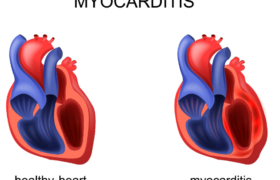
Watch the Video as the US Congress is about to debate ending the Covid Emergency! FDA Orders Pfizer and Moderna To Investigate Youth Heart Problems Assoc. With Covid Vaccine   https://youtu.be/aS348cJAjCE Fox News Story: CDC Reports thousands of cases of Myocarditis in young men who have received the vaccine. The VAERS data is much worse […]

Was Abraham Lincoln Evil? How He FAILED Emancipating “People of Color”. Worldwide BLM Violent Activists Demand Freedom Every Day.

BLM demands a “blacks-only” government. Our basic civic duties may help bring about this good Christian peaceful measure, as our forefathers always ensured. We have a message of positivity as it relates to these good solutions restoring the earth back to Divine order, just as our Christian forefathers paved the way for our total success. […]

Is Interracial Marriage Now Illegal? PREVIEW of content (Analysis by Priory of Salem, Institute of Peace Studies)

Inter-racial marriage is now illegal? (PREVIEW of content) Analysis by the Priory of Salem, Institute of Peace Studies God’s punishments for His people’s abominations are abundant. With our Spiritually opened eyes we behold and see the reward (punishments) of the wicked(Psalm 91). According to the CDC headlines, the monkey pox virus exclusively effects those living […]

1,086th anniversary of the crowning of our King and Emperor, Otto I., the Great

In celebration of the 1,086 year anniversary of the crowning of our King and Emperor,  Otto I., the Great.  First a Foreword from our Primace (in Wolfenbuttel that title is “summus episcopus”) HMSH Rev Dr Stephen MK d’Guelph Brunswick:  We say “our King” as most likely you do descend from those who called him such […]

When You Cook With This, Toxic Compounds Are Released

This article was previously published May 8, 2019, and has been updated with new information.

Are artificial sweeteners such as Splenda still part of your daily diet? If so, I would strongly recommend reconsidering. It’s important to realize that while artificial sweeteners have no (or very few) calories, they are still metabolically active,1 and not in a beneficial way.

For example, research2,3 published in the online version of the Journal of Toxicology and Environmental Health August 21, 2018, shows sucralose — sold under brand names such as Splenda, Splenda Zero, Zero-Cal, Sukrana, Apriva, SucraPlus, Candys, Cukren and Nevella — is metabolized and accumulates in fat cells.

Remarkably, artificial sweeteners have become so ubiquitous, research4 published in the April 2019 issue of Ecotoxicology and Environmental Safety refers to them as an “emerging” environmental contaminant, noting they have “high water persistence.”

According to this paper, artificial sweeteners are chemically stable in the environment and water supplies appear to be at greatest risk for contamination. The researchers looked at 24 environmental studies assessing the presence of artificial sweeteners in the environment from 38 locations around the world, including Europe, Canada, the U.S. and Asia.

“Overall, the quantitative findings suggested that the occurrence of non-nutritive artificial sweeteners is present in surface water, tap water, groundwater, seawater, lakes and atmosphere,” the paper states. What the ultimate ramifications for wildlife, especially marine life, and human health might be are still anyone’s guess.

Artificial Sweeteners Promote Obesity, Diabetes and More

As explained in the 2016 paper,5 “Metabolic Effects of Non-Nutritive Sweeteners,” many studies have linked artificial sweeteners to an increased risk for obesity, insulin resistance, Type 2 diabetes and metabolic syndrome. This is in stark contrast to what you’re told by industry, which continues to promote artificial sweeteners as a way to lower your risk of those conditions.

The paper presents several mechanisms by which artificial sweeteners promote metabolic dysfunction:

1. They interfere with learned responses that contribute to glucose control and energy homeostasis — Studies have demonstrated that when sweet taste and caloric intake are mismatched, your body loses its ability to properly regulate your blood sugar.

2. They interact with sweet-taste receptors expressed in digestive system that play a role in glucose absorption and trigger insulin secretion, thereby inducing both glucose intolerance and insulin resistance, which raises your risk of obesity. Sweet taste without calories also increases appetite6 and subjective hunger ratings.7

3. They destroy your gut microbiota — A 2008 study8 revealed sucralose (Splenda) reduced gut bacteria by as much as 49.8%, preferentially targeting bacteria known to have important human health benefits. Consuming as few as seven little Splenda packets may be enough to have a detrimental effect on your gut microbiome.

More recent research,9 published in the journal Molecules in October 2018, confirmed and expanded these findings, showing that all currently approved artificial sweeteners (aspartame, sucralose, saccharin, neotame, advantame and acesulfame potassium-k) disrupt the gut microbiome — in part by damaging the bacteria’s DNA, and in part by interfering with their normal activities.

Another 201810 found Splenda consumption may exacerbate gut inflammation and intensify symptoms in people with Crohn’s disease by promoting harmful gut bacteria. These results echoed those published in 2014,11 where they found Splenda may exacerbate symptoms of Crohn’s disease by augmenting “inflammatory activity at the biochemical level” and altering microbial-host interactions within the intestinal mucosa.

Similarly, research12 published in 2017 implicated sucralose in chronic liver inflammation by altering “the developmental dynamics of the gut microbiome.”

Why You Should Never Cook With Splenda

Splenda (sucralose) is frequently recommended for cooking and baking,13 and is often used in processed foods in which high heat was involved. This, despite the fact that scientists have warned about the dangers of heating sucralose for years.

In the 2013 paper,14 “Sucralose, a Synthetic Organochloride Sweetener: Overview of Biological Issues,” the authors state that “Cooking with sucralose at high temperatures … generates chloropropanols, a potentially toxic class of compounds.” This paper also warns the acceptable daily intake set for sucralose may in fact be hundreds of times too high to ensure safety.

The German Federal Institute for Risk Assessment (BfR) recently issued a report15 on the available data on sucralose, confirming that cooking with sucralose is likely a terrible idea, as chlorinated compounds are formed at high temperatures. As reported by MedicalXpress:16

“When sucralose (E 955) is heated to temperatures higher than 120 degrees C a gradual — and with further continuously increasing temperature — decomposition and dechlorination of the sweetener occurs.

Temperatures of between 120 degrees C [248 degrees Fahrenheit] and 150 degrees C [302 degrees F] are possible during industrial manufacturing and processing of foods, and are also reached in private households during cooking and baking of foods containing sucralose.

This may lead to the formation of chlorinated organic compounds with a health-damaging potential, such as polychlorinated dibenzo-p-dioxins (PCDD), dibenzofurans (PCDF) and chloropropanols.”

Chloropropanols, while still poorly understood, are believed to have adverse effects on your kidneys and may have carcinogenic effects.17 One good reason to be suspicious of chloropropanols is because they’re part of a class of toxins known as dioxins, and dioxins are known to cause cancer and endocrine disruption.

The fact that sucralose creates toxic dioxins when heated is also a concern for those who use vaping liquid containing this artificial sweetener. A 2017 study18 found sucralose contributes sweet taste only when used in a cartridge system, and chemical analysis showed the use of a cartridge system also raised the concentration of sucralose in the aerosol.

I find it interesting that these studies are now confirming what I suspected and published in my book, published over 10 years ago — “Sweet Deception” — which was an expose on Splenda.

Sucralose Shown to Have Carcinogenic Potential

Research19 published in 2016 in the International Journal of Occupational and Environmental Health tested the carcinogenic potential of sucralose by adding it to mouse feed, at various concentrations, starting at 12 days of gestation and continuing throughout their natural life span.

Results showed male mice experienced a significant dose-related increase in malignant tumors and hematopoietic neoplasias (cancer of the blood, bone marrow and the lymphatic system). The dosages tested were 0, 500, 2,000, 8,000 and 16,000 parts per million (ppm). The worst results occurred in males given 2,000 ppm and 16,000 ppm. According to the authors:

“These findings do not support previous data that sucralose is biologically inert. More studies are necessary to show the safety of sucralose, including new and more adequate carcinogenic bioassay on rats. Considering that millions of people are likely exposed, follow-up studies are urgent.”

Pregnant Women Beware

More recent research,20 published in 2018, revealed the artificial sweeteners sucralose and acesulfame-potassium transfer into breast milk — a crucial fact that pregnant women need to be mindful of, considering the harmful effects of these compounds. To determine whether the sweeteners could transfer into breast milk, the researchers enrolled 34 women who were exclusively breastfeeding.

Each of the women drank 12 ounces of Diet Rite Cola, which contains 68 milligrams (mg) of sucralose and 41 mg of acesulfame-potassium, before breakfast. Habitual use of artificial sweeteners was also assessed via a diet questionnaire. Breast milk samples were collected before ingestion and every hour thereafter for six hours. As reported by the authors:

“Owing to one mother having extremely high concentrations, peak sucralose and acesulfame-potassium concentrations following ingestion of diet soda ranged from 4.0 to 7387.9 ng/mL and 299.0 to 4764.2 ng/mL, respectively.”

This is believed to be the first time researchers have demonstrated that infants are in fact exposed to artificial sweeteners even when exclusively breastfed (if the mother consumes them). An accompanying commentary21 by pediatric experts notes:

“NNS [non-nutritive sweeteners] were present in the breast milk of all subjects in physiologically significant amounts, and … at concentrations well above the taste thresholds. Why is this important?

NNS or non-caloric artificial sweeteners (NCAS) are ubiquitous in the modern diet … Despite the approval by the FDA and European Food Safety Authority, concerns, admittedly largely unproven, persist about their safety … The concerns about NNS are three-fold.

First, that they may adversely alter taste preferences. Second, that the ultimate effect may be contrary to what is intended and their ingestion may increase food consumption. Third, that they may adversely alter the gut bacterial microbiome and its metabolites.

All of these concerns are magnified with early exposure in life. The evidence to support these concerns is either inductive or based on experimental models and emerging human data.”

‘Diet’ Beverages Linked to Risk of Stroke and Heart Attack

Another 2018 study22 by the American Heart Association (AHA) found that, compared to drinking none or just one “diet” drink per week, women over 50 who drank two or more artificially sweetened beverages per day had a:23

31% increased risk for ischemic stroke
29% increased risk of coronary heart disease
23% increased risk of all types of stroke
16% increased risk of early death

The risk is particularly high for women with no previous history of heart disease, those who are obese and/or African-American women. The study included more than 81,714 women from the Women’s Health Initiative Observational Study, a longitudinal study of the health of 93,676 postmenopausal women between the ages of 50 and 79. The mean follow-up time was close to 11.9 years. According to the authors:

“In women with no prior history of cardiovascular disease or diabetes mellitus, high consumption of ASB [artificially-sweetened beverages] was associated with more than a twofold increased risk of small artery occlusion ischemic stroke … High consumption of ASBs was associated with significantly increased risk of ischemic stroke in women with body mass index ≥30 …”

In an accompanying editorial,24 “Artificial Sweeteners, Real Risks,” Hannah Gardener, assistant scientist in the department of neurology at the University of Miami, and Dr. Michell Elkind at Columbia University, suggest drinking pure water instead of no-calories sweetened beverages, as it is by far the safest and healthiest low-calorie drink there is.

If you want some flavor, just squeeze a little bit of fresh lemon or lime into mineral water. In instances where your cooking, baking or beverage needs a little sweetener, be mindful of your choice.

Sucralose Linked to Liver, Kidney and Thymus Damage

Other recent research25 published in the journal Morphologie found sucralose caused “definite changes” in the liver of treated rats, “indicating toxic effects on regular ingestion.” The researchers warn these findings suggest sucralose should be “taken with caution to avoid hepatic damage.”

In other words, regularly using Splenda could damage your liver. Here, adult rats were given a much higher (yet nonlethal) oral dose of sucralose — 3 grams (3,000 mg) per kilo body mass per day for 30 days, after which the animals’ livers were dissected and compared to the livers of unexposed controls. According to the authors:

“Experimental rats showed features of patchy degeneration of hepatocytes along with Kupffer cells hyperplasia, lymphocytic infiltration, sinusoidal dilatation and fibrosis indicating a definite hepatic damage on regular ingestion of sucralose. Sinusoidal width was also found to be increased in experimental animals as compared to controls.”

Studies have also linked sucralose consumption to liver and kidney enlargement26,27 and kidney calcification.28,29 Another organ affected by sucralose is your thymus, with studies linking sucralose consumption to shrinkage of the thymus (up to 40%30,31) and an increase in leukocyte populations (immune system cells) in the thymus and lymph nodes.32

Sucralose Safety Has Been Repeatedly Questioned

As of April 12, 2022, there are 21,800 references to sucralose in the scientific search engine Google Scholar, so there’s no shortage of studies to review if you’re curious. Here’s a small sampling of papers raising questions about the safety of this artificial sweetener.

Artificial Sweetener Such as Sucralose May Promote Inflammation in Human Subcutaneous Fat-Derived Mesenchymal Stromal Cells, 2017 33 — Research presented at GW Annual Research Days in 2017 shows sucralose consumption caused an increase in superoxide accumulation and cellular inflammation.

The sweetener also Increased expression of a specific sweet taste receptor. According to the researchers, “upregulation of adipogenic genes … cultured in near physiological concentrations of sucralose, indicate possible causality between increased fat deposition and sweetener use.”

The Non-Caloric Sweeteners Aspartame, Sucralose and Stevia sp. Induce Specific but Differential Responses to Compartmentalized Adipose Tissue Accumulation, 201734 — In this study, consumption of sucralose resulted in weight gain and elevated blood glucose and body fat accumulation.

Sucralose Activates an ERK1/2–Ribosomal Protein S6 Signaling Axis, 201635 — Sucralose was found to stimulate insulin secretion much like glucose, but through completely different and poorly understood pathways. According to the authors, these findings “will have implications for diabetes.”

Changes in the Expression of Cell Surface Markers in Spleen Leukocytes in a Murine Model of Frequent Sucralose Intake, 201636 — This study found frequent sucralose intake may affect your immune function. According to the authors:

“Our results show a decrease in the frequency of B lymphocyte population and T lymphocytes in comparison to the control group. In B and T lymphocytes the analysis of co-stimulatory molecules show a lower frequency compared to the control group. The immune response depends on the differentiation and activation of cellular populations.

We hypothesized that chronic ingestion of commercial sucralose might be affecting the immune response by modifying the frequencies of cellular populations, as well as the expression of co-stimulatory and inhibitory molecules … by decreasing the ability of co-stimulation between B an T lymphocytes, with a probable effect on the immune response.

It is necessary to further determine if sucralose intake affects the efficiency of the immune response.”

Popular Sweetener Sucralose as a Migraine Trigger, 200637 — As noted by the authors, “This observation of a potential causal relationship between sucralose and migraines may be important for physicians to remember this can be a possible trigger during dietary history taking.

Identifying further triggers for migraine headaches, in this case sucralose, may help alleviate some of the cost burden (through expensive medical therapy or missed work opportunity) as well as provide relief to migraineurs.”

Healthier Sugar Substitutes

Two of the best sugar substitutes are Stevia and Lo Han Kuo (also spelled Luo Han Guo). Stevia, a highly sweet herb derived from the leaf of the South American stevia plant, is sold as a supplement. It’s completely safe in its natural form and can be used to sweeten most dishes and drinks.

Lo Han Kuo is similar to Stevia, but is my personal favorite. I use the Lakanto brand vanilla flavor which is a real treat for me. The Lo Han fruit has been used as a sweetener for centuries, and is about 200 times sweeter than sugar.

A third alternative is to use pure glucose, also known as dextrose. Dextrose is only 70% as sweet as sucrose, so you’ll end up using a bit more of it for the same amount of sweetness, making it slightly more expensive than regular sugar. But, it is safer than regular sugar, which is 50% fructose.

So, dextrose is well worth it for your health as it does not contain any fructose whatsoever. Contrary to fructose, glucose can be used directly by every cell in your body and as such is a far safer sugar alternative.

Reconfirmed: Artificial Sweeteners Make You Sick

This article was previously published May 8, 2018, and has been updated with new information.

If you’re still holding out hope that science will eventually prove artificial sweeteners to be beneficial or at the very least, harmless, you’re likely to be disappointed. Again and again, research shows no-calorie sweeteners such as aspartame and sucralose cause the same problems as excess sugar, and then some.

According to 2018 statistics,1 nearly 40% of American adults, over 18% of teens and nearly 14% of young children were obese, not just overweight. By 2021, 42% of American adults had become obese and 35%, overweight2 — and the trend is expected to continue, as the American Obesity Association predicts 50% will be obese by 2025 and 60% by 2030.

What’s causing this weight gain can be attributed to a number of things but, clearly, our diets are forefront, and processed foods and sweetened beverages are driving factors. In an effort to take control of their health and lose weight, many are wisely reducing their sugar intakes. Unfortunately, many make the mistake of thinking artificially-sweetened products are a healthier alternative since they cut down your calories, but nothing could be further from the truth.

Don’t feel alone, though, if you deceived: The international trend of taxing sugary beverages to discourage sugar consumption has also had the unfortunate side effect of causing beverage makers to switch to artificial sweeteners rather than sugar and other calorie-rich sweeteners.

Then, they advertise those artificially-sweetened products as “healthier” — which makes it even more confusing because, when it comes to health, artificial sweeteners cause just as many health problems as sugar does.

What’s worse is that, in their weight loss efforts, most people don’t seem to be catching on that artificial sweeteners may achieve the exact opposite of what you want. In a February 2022 press release, Globe Newswire forecasted that diabetic food sales driven by the sugar-free beverage market will reach $14.66 billion by 2027.3

Artificial Sweeteners Again Linked to Obesity and Diabetes

Over the years, ever-growing numbers of studies have shown artificial sweeteners raise your risk of both obesity and Type 2 diabetes — perhaps even to a greater degree than sugar does. More recently, in 2018, animal research4,5 presented at the annual Experimental Biology conference in San Diego again confirmed that artificial sweeteners raise your risk of obesity and diabetes.

The study, which explored how different sweeteners affect the way food is used and stored in the body, and how they affect vascular functioning, found both sugar and artificial sweeteners result in impairments, albeit through different pathways. As noted by the authors:

“This study tested the response of the vascular endothelium in vitro and the in vivo response of a diabetes susceptible … rat model to glucose, aspartame, and acesulfame potassium supplementation … Through this set of experiments we have identified unique signatures of alterations in lipid metabolism, among others, following artificial sweetener consumption.

Overall, results of this study suggests that exposure to high glucose and artificial sweetener administration lead to unique mechanisms of vascular impairment and homeostatic alterations that may be important during the onset and progression of diabetes and obesity.”

Sugar Vs. Artificial Sweeteners: Differences You Need to Know

In the study above, after being fed a diet high in either artificial sweeteners (aspartame or acesulfame potassium) or sugars (glucose or fructose) for three weeks, detrimental effects were seen in all groups. All had increased blood lipids (fats), but the artificial sweeteners also accumulated in the blood of the animals, which harmed the blood vessel lining to a greater degree. Of the two artificial sweeteners, acesulfame potassium appeared to be the worst.

The results of the study — which used unbiased high-throughput metabolomics, a technique that allows you to investigate how something affects cellular metabolism — indicate that artificial sweeteners alter how your body processes fat and produces energy at the cellular level. So, while operating on completely different chemical pathways, they produce the same kinds of health consequences as sugar.

As noted by lead author Brian Hoffmann, Ph.D., assistant professor in the department of biomedical engineering at the Marquette University and Medical College of Wisconsin,6 “In moderation, your body has the machinery to handle sugar; it is when the system is overloaded over a long period of time that this machinery breaks down.”

Artificial sweeteners, on the other hand, wear the machinery down. “Sweeteners kind of trick the body. And then when your body’s not getting the energy it needs — because it does need some sugar to function properly — it potentially finds that source elsewhere,” he says.7

One alternative sugar source is muscle, and indeed, evidence of protein breakdown was found in the animals’ blood. Essentially, the rats were burning muscle as a source of energy when given artificial sweeteners. Hoffman also notes that this research is different from previous attempts to conclusively tie artificial sweeteners to health problems:

“Most of these sweeteners were approved well before we had the technology to perform studies like my lab is doing. So they weren’t able to look as in-depth at some of the potential effects being caused. By knowing what biochemical changes these are causing through these large-scale studies, we can take an unbiased approach and see what’s changing to give us a better direction.

What I like to tell people is that most things in moderation are going to be fine … It’s when people start to chronically consume these [drinks] — say, a person drinks two, three, four … every day — that we should start to be concerned. Because you’re starting to introduce these biochemical changes and the body has no time to recover.”

Artificial Sweeteners Trick Your Body Into Storing Fat

Similar studies have repeated these findings. In late 2021, for example, researchers found that females who consumed artificial sweeteners felt hungrier and consumed more food than those who simply drank a sugar-sweetened beverage.8,9

What this shows is that, contrary to industry claims, research over the past 30 years has shown that artificial sweeteners stimulate appetite, increase cravings for carbs, and produce a variety of metabolic dysfunctions that promote fat storage and weight gain — often to the researchers’ great surprise. Below is a sampling of other, similar, studies published through the years.

Preventive Medicine 198610 — This study examined nearly 78,700 women aged 50 to 69 for one year. Artificial sweetener usage increased with relative weight, and users were significantly more likely to gain weight compared to those who did not use artificial sweeteners, regardless of their initial weight.

According to the researchers, the results “were not explicable by differences in food consumption patterns. The data do not support the hypothesis that long-term artificial sweetener use either helps weight loss or prevents weight gain.”

Physiology and Behavior 198811 — In this study, they determined that no- or low-calorie sweeteners can produce significant changes in appetite. Of the three sweeteners tested, aspartame produced the most pronounced effects.

Physiology and Behavior 199012 — Here, they found that aspartame had a time-dependent effect on appetite, “producing a transient decrease followed by a sustained increase in hunger ratings.”

Journal of the American Dietetic Association 199113 — In a study of artificial sweeteners performed on college students, there was no evidence that artificial sweetener use was associated with a decrease in their overall sugar intake either.

International Journal of Food Sciences and Nutrition 200314 — This study, which looked at 3,111 children, found that diet soda, specifically, was associated with higher body mass index (BMI).

International Journal of Obesity and Metabolic Disorders 200415 — This Purdue University study found that rats fed artificially sweetened liquids ate more high-calorie food than rats fed high-caloric sweetened liquids. The researchers believe the experience of drinking artificially sweetened liquids disrupted the animals’ natural ability to compensate for the calories in the food.

San Antonio Heart Study 200516 — Data gathered from the San Antonio Heart Study, which went on for 25 years, showed drinking diet soft drinks increased the likelihood of serious weight gain far more so than regular soda. On average, for each diet soft drink the participants drank per day, they were 65% more likely to become overweight during the next seven to eight years, and 41% more likely to become obese.

Journal of the American College of Nutrition 200517 — In this two-year-long study, which involved 166 school children, increased diet soda consumption was associated with higher BMI at the end of the trial.

The Journal of Pediatrics 200618 — The National Heart, Lung, and Blood Institute Growth and Health Study followed 2,371 girls aged 9 to 19 for 10 years. Soda consumption in general, both regular and diet, was associated with increase in total daily energy intake.

Yale Journal of Biology and Medicine 201019 — This review offers a summary of epidemiological and experimental evidence concerning the effects of artificial sweeteners on weight, and explains those effects in light of the neurobiology of food reward. More than 11,650 children aged 9 to 14 were included in this study.

Each daily serving of diet beverage was associated with a BMI increase of 0.16 kg/m2. It also shows the correlation between increased usage of artificial sweeteners in food and drinks, and the corresponding rise in obesity.

Source: Yale Journal of Biology and Medicine June 8 2010: v83(2)

According to the authors:

“[F]indings suggest that the calorie contained in natural sweeteners may trigger a response to keep the overall energy consumption constant … Increasing evidence suggests that artificial sweeteners do not activate the food reward pathways in the same fashion as natural sweeteners … [A]rtificial sweeteners, precisely because they are sweet, encourage sugar craving and sugar dependence.”

Appetite 201220 — Here, researchers showed that saccharin and aspartame cause greater weight gain than sugar, even when the total caloric intake remains similar.

Trends in Endocrinology & Metabolism 201321 — This report highlights the fact that diet soda drinkers suffer the same exact health problems as those who opt for regular soda, such as excessive weight gain, Type 2 diabetes, cardiovascular disease and stroke.22,23 The researchers speculate that frequent consumption of artificial sweeteners may induce metabolic derangements.

The Journal of Physiology 201324,25 — This study demonstrated that your body is not fooled by sweet taste without accompanying calories, which is yet another reason why artificial sweeteners promote obesity.

When you eat something sweet, your brain releases dopamine, which activates your brain’s reward center. The appetite-regulating hormone leptin is also released, which eventually informs your brain that you are “full” once a certain amount of calories have been ingested.

When you consume something that tastes sweet but doesn’t contain any calories, your brain’s pleasure pathway still gets activated by the sweet taste, but there’s nothing to deactivate it, since the calories never arrive. Artificial sweeteners basically trick your body into thinking that it’s going to receive calories, but when the calories fail to arrive, your body continues to signal that it needs more, which results in carb cravings.

Nature 201426 — This important study was able to clearly show causality, revealing there’s a direct cause and effect relationship between consuming artificial sweeteners and developing elevated blood sugar levels. People who consumed high amounts of artificial sweeteners were found to have higher levels of HbA1C — a long-term measure of blood sugar — compared to nonusers or occasional users of artificial sweeteners.

Seven volunteers who did not use artificial sweeteners were then recruited, and asked to consume the equivalent of 10 to 12 single-dose packets of artificial sweeteners daily for one week. Four of the seven people developed “significant disturbances in their blood glucose,” according to the researchers.

Some became prediabetic within just a few days. The reason for this dramatic shift was traced back to alterations in gut bacteria. Some bacteria were killed off, while others started proliferating.

PLOS One 201427 — This study, which was done on rats, using aspartame, also found an increased risk of glucose intolerance. Animals that consumed artificial sweeteners ended up with raised levels of propionate — short-chain fatty acids involved in sugar production. Consumption of artificial sweeteners shifted gut microbiota to produce propionate, which generated higher blood sugar levels.

Other Ways Artificial Sweeteners Harm Your Health

Artificial sweeteners have also been linked to a number of other adverse effects. For example, the amino acids in aspartame attack your cells, even crossing the blood-brain barrier to attack your brain cells, creating toxic cellular overstimulation (excitotoxicity). Sucralose (sold under the brand name Splenda) is made with real sugar, but chemically altered to make it 600 times sweeter than sugar but with a fraction of the calories,28 has been linked to:

Decreased red blood cells, a sign of anemia, at levels above 1,500 milligrams per kilo per day
Increased male infertility by interfering with sperm production and vitality, as well as brain lesions at higher doses
Kidney enlargement and calcification
Significantly increased risk for miscarriage (in rabbits, spontaneous abortions affected nearly half the rabbit population given sucralose, compared to zero aborted pregnancies in the control group)
Significantly increased death rate (a 23% death rate in rabbits, compared to a 6% in the control group)

Artificial Sweeteners Destroy Your Gut Microbiome, and More

An in-depth scientific review29 of sucralose published in the Journal of Toxicology and Environmental Health in 2013 also revealed an extensive list of safety concerns, including toxicity, DNA damage and heightened carcinogenic potential when used in cooking. It turns out that when heated, sucralose releases chloropropanols, which belong to a class of toxins known as dioxins, known to cause cancer and endocrine disruption.

Importantly, this review concluded that sucralose destroys gut bacteria. In fact, animal research30 published in 2008 found it could kill as much as 50% of your microbiome, and appeared to targeted beneficial microorganisms to a greater extent than pathogenic and more detrimental bacteria. This is really important, as any time you destroy healthy intestinal bacteria you open yourself up to unfriendly microorganisms that can cause health problems.

A more recent study in October 202131,32 found that three of six commonly used artificial sweeteners impair the ability of your gut’s bacteria to communicate. Study authors said:

“Our findings suggest that these artificial sweeteners may affect the balance of the gut microbial community via QS-inhibition. We, therefore, infer an effect of these artificial sweeteners on numerous molecular events that are at the core of intestinal microbial function, and by extension on the host metabolism.”

Further studies have also found that sucralose alters glucose, insulin and glucagon-like peptide-1 levels and responses,33 thereby raising your risk for diabetes. Besides worsening insulin sensitivity and promoting weight gain, aspartame and other artificial sweeteners promote other health problems associated with excessive sugar consumption, including:

Cardiovascular disease and stroke34,35,36
Alzheimer’s disease. While poor diet is a major driver of Alzheimer’s in general, the key mechanism of harm here appears to be methanol toxicity, a problem associated with aspartame in particular. In a previous interview, toxicology expert Woodrow Monte, Ph.D., (author of the book “While Science Sleeps: A Sweetener Kills”) explains the links between aspartame and methanol toxicity and the formation of toxic formaldehyde

How Do Processed Foods Promote Drug-Resistant Disease?

In related news, researchers also found an intriguing link between processed foods and drug-resistant disease. Here, a sugar called trehalose is a preferred fuel for two of the most problematic strains of clostridium difficile (C. diff), microbes that cause severe gut infection and can lead to death. Deaths associated with this infection increased fivefold between 1999 and 2007, in part due to C. diff strains having developed resistance against antibiotics.

Moreover, researchers found that more virulent strains of C. diff were outcompeting less harmful strains inside the human gut. To determine how and why, they tested more than 200 different sugars and amino acids to see whether these more virulent strains were somehow able to use some food sources more efficiently than others — and this is precisely what they found.37 As reported by The New York Times:38

“Trehalose occurs naturally in mushrooms, yeasts and shellfish, among other things. It has historically been expensive to use, but in the late 1990s a new manufacturing process made the sugar cheap. That was good news for companies that manufactured prepackaged foods, because trehalose works great for stabilizing processed foods, keeping them moist on the shelf and improving texture.

Since about 2001, we’ve added loads of it to everything from cookies to ground beef. What Dr. [Robert] Britton and his colleagues contend is that, in doing so, we’ve inadvertently cultivated the most toxic C. diff strains, driving what has become a scourge of hospitals. As evidence, he points to the timing of recent C. diff epidemics. The virulent strains existed before 2000, but they didn’t cause as many outbreaks.

Only after large quantities of trehalose entered the food supply did they become this deadly … Britton also found that mice infected with those virulent strains of C. diff that consumed the sugar fared worse than infected mice that were not fed the sugar …

‘What this research shows is that people should be considering the ecological impacts of food stuffs,’ Britton [says]. ‘Our gut bacteria are being bombarded with things that we never ate — or never ate in the concentrations we eat now.'”

For Optimal Health, Drink More Clean Water

I firmly believe ditching soda and other sweetened beverages is one of the most important steps you can take to improve your weight and health, and this includes artificially sweetened beverages as well, because they may in fact be worse for your health than regular soda.

As you can see, the scientific evidence shows artificial sweeteners can stimulate your appetite, increase carb cravings, stimulate fat storage and promote weight gain just like regular soda. As noted above, diet soda is associated with a 50% increased risk of obesity while regular soda (at a rate of one can per day) is associated with a 60% increased risk.

In addition to that, aspartame is associated with a long list of other harmful effects, ranging from brain damage to preterm delivery, while sucralose has been found to be particularly damaging to your intestines.39,40 Unfortunately, many are still in the dark about these health risks. Sugar also promotes unhealthy bacterial growth, and many are already deficient in healthy bacteria due to consuming too many highly processed foods.

This is why I recommend eating fermented vegetables every day, or at the very least taking a high-quality probiotic. Remember, pure water is a zero-calorie drink. You cannot find a beverage that contains fewer calories. If you want some flavor, just squeeze a little bit of fresh lemon or lime into mineral water. In instances where your cooking, baking or beverage needs a little sweetener, be mindful of your choice.

The Remarkable Benefits of Low-Dose Naltrexone

This article was previously published December 13, 2020, and has been updated with new information.

In this interview, we review some of the remarkable benefits of low-dose naltrexone (LDN), including the surprising benefits of microdosed LDN. The two experts featured in this interview are Linda Elsegood, a Briton who founded the LDN Research Trust1 in 2004, and Dr. Sarah Zielsdorf, who has a medical practice in the Chicago area in the U.S.

Elsegood, who was diagnosed with MS in 2000, has been involved in LDN research and public education for 16 years. LDN is a powerful, safe and effective treatment for many autoimmune diseases, yet few, including most health care professionals, know anything about it. Remarkably, LDN may even be helpful in the fight against COVID-19, as it acts to normalize your immune system.2

Elsegood recently published a book on LDN called “The LDN Book, Volume Two: The Latest Research on How Low Dose Naltrexone Could Revolutionize Treatment for PTSD, Pain, IBD, Lyme Disease, Dermatologic Conditions and More.” Each chapter is written by a medical professional with clinical knowledge of the drug’s use. Zielsdorf is one of the contributing authors. Elsegood also hosts a radio show called The LDN Radio Show.3

In the interview, she tells the story of how she discovered LDN and the dramatic benefits she has experienced from it. In summary, beneficial effects became apparent after about three weeks on the drug and, after 18 months, her condition had significantly improved.
We use LDN for nearly all autoimmune conditions, as an adjunct for cancer, and as a treatment for chronic pain. We also use ultra-low dose naltrexone to help potentiate pain relief for people who are on opioids and help them to be less dependent on opioid medications. ~ Dr. Sarah Zielsdorf
Zielsdorf — who has an undergraduate degree in microbiology and a master’s degree in public health microbiology and emerging infectious disease — also has a personal health story that brought her to LDN. She was diagnosed with hypothyroidism (underactive thyroid) in 2003. Ten years later, she was diagnosed with Hashimoto’s, an autoimmune disorder that affects the thyroid.

“I learned about functional nutrition and triggers for autoimmunity, and started to do all of the things I needed to do to optimize my biomarkers, remove systemic inflammation, and was able to return to my [medical] training. I had been told that I could never have children and surprisingly became pregnant and had a daughter in my second year of training.

After having her, I [had a flareup]. It was then, in 2014, that a doctor put me on LDN. It changed my life … Once I graduated from residency, I started treating patients with a variety of issues with LDN. I’ve treated thousands of patients with LDN.”

Naltrexone — A Rare Gem of a Drug
Naltrexone in low or even microdoses is one of the few pharmaceutical drugs I wholeheartedly endorse. Not only is it remarkably safe, it’s also a profound adjunctive therapy for a wide variety of conditions. As explained by Zielsdorf:

“Naltrexone is one of the few things that actually enables our own bodies, our own immune systems, to be able to function better and really restore function.

After World War II, they were looking for more opioid medications. By accident, scientists figured out how to block the opioid receptor. They did the exact opposite of what they were supposed to do, which is to find morphine analogs for soldiers.

[In] the 1960s, they were able to synthesize naloxone and naltrexone … FDA approved it in the 1980s for opioid addiction at a dose of 50 to 100 milligrams, and then in the 1990s for alcohol dependence.

But it was Dr. Bernard Bihari and Dr. Ian Zagon in the 1970s that had this amazing idea that if you took a very small dose of naltrexone, compounding it in a clean way [down] to a few milligrams, if would briefly block the opioid receptor in the central nervous system — very briefly kissing that receptor and then unblocking it.

This upregulates the body’s immune system by increasing the opioid receptor’s own production of beta-endorphin and met-enkephalins. Beta-endorphins help with mood, pain, sleep and the immune system, and met-enkephalins are also known as opioid-derived growth factor, and there are receptors for these on many different tissues, including the thyroid.

We now use it for nearly all autoimmune conditions, as an adjunct for cancer, and as a treatment for chronic pain. We also use ultra-low dose [microdosed] naltrexone, which I wrote about, to help potentiate pain relief for people who are on opioids and help them to be less dependent on opioid medications.

I’ve actually been able to get patients off of fentanyl patches and get them off chronic oxycodone or Norco use where their pain specialists said, ‘You will never ever get off these pain medications.’ It’s been an incredible journey and I’m a huge advocate of it.”

Naloxone Versus Naltrexone
Naloxone (Narcan) is what is carried on ambulances and used in ERs and trauma bays as an antidote to an opioid overdose. When given at a high enough dose, naloxone or Narcan acts as a complete opioid blocker, which is why it’s used acutely when someone has taken too high a dose of an opioid.

Naltrexone blocks the opioid receptor only briefly, and by a different mechanism. When used in low dosages as LDN, the chief benefit is actually in the rebound effect, after the opioid receptor has been briefly blocked.
Foundational Treatment Strategies for Autoimmune Diseases

With regard to autoimmune diseases, it’s important to realize there are other, equally important, foundational strategies that will benefit most patients with a dysfunctional immune system. These include optimizing your vitamin D level and omega-3 index, for example.

It’s also important to eliminate potential triggers. The reason why people have an autoimmune disease is because they’re exposed to something in the environment which serves as an antigen that their body recognizes as a foreign invader, and as a result attacks it. If you can avoid those antigens, you can often suppress and frequently eliminate symptoms without anything, because you’ve removed the stimulus.

One common autoimmune trigger is lectins, found in many otherwise healthy vegetables. Zielsdorf will typically place her autoimmune patients on a Mediterranean-style paleo diet or an oligoantigenic elimination diet to optimize detoxification, liver and kidney function, and the microbiome.

Others may be placed on a nose-to-tail carnivore diet. As noted by Zielsdorf, it’s “a way of offloading and simplifying what antigens the body is seeing.” Other helpful diets in this respect include the autoimmune paleo diet and the low-histamine or low FODMAP diet.4

“I am a microbiologist and I do a ton of advanced testing, and then we start looking deeper at triggers,” she says. “I used to put everybody on LDN first, but now we know that certain patients will flair because their immune system is so suppressed due to co-infections.

We see it most with Lyme disease and with yeast overgrowth. If I suspect or I have tests confirming that a patient has one of these things, or their immune system is super suppressed … I’ll work on their microbiome before I start LDN …

I test everybody’s gut, and what I see universally is you get this hyper intense intestinal permeability in these cases … What’s so interesting is a leaky gut equals a leaky brain, and we overwhelm our immune system. I do see this. The first step is getting them off the most common triggers, and sometimes I’ll be testing for lectins too.

Universally, for all of my autoimmune patients, is that they can’t eat wheat. There are over 150 antigens in wheat that you can be sensitive to … It is also desiccated with Roundup, glyphosate, right before processing, so we get that extra toxicity. I test my patients for their environmental toxic load, and I see a lot of patients with glyphosate toxicity.

The wheat that we used to eat 10,000 years ago at the beginning of agriculture is not the wheat [we now eat]. It’s not even the same chromosome number as what our bodies ate in small amounts as hunter gatherers.”

Why You Should Avoid Monogastric Animal Meats
As mentioned by Zielsdorf, a nose-to-tail carnivore diet can be an excellent intervention in some cases, especially for those whose immune function is severely suppressed. However, you should avoid monogastric animals, meaning animals that have only one stomach.

Whereas cows have two, chickens and pigs have only one. The reason for this recommendation is because conventionally factory farmed chicken and pork will be very high in the omega-6 fat linoleic acid. This is because they are typically fed corn, which is high in this type of fat, and a high linoleic acid diet can metabolically devastate your health. So, a diet high in chicken and bacon is not doing your body any favors.

Animals with two stomachs are able to fully process omega-6-rich grains and other foods, as they are equipped with gut bacteria that can break it down into a healthier fat. Aside from bovines, this includes buffalo and lamb.
What Can LDN Treat?
Aside from autoimmune diseases, LDN is also used in the treatment of the following conditions. Bear in mind this is not a complete list. Some of these conditions have been featured in various documentaries5 produced by the LDN Research Trust. You can find links to those documentaries in the references.

Cancer6 — Research by professor Angus George Dalgleish and his colleague Dr. Wei Lou showed LDN could bring cancer cells into remission using pulse dosing.7 LDN also works synergistically with cannabidiol (CBD), and works well for cancer, autoimmunity and pain conditions

Opioid addiction, dependence and recovery8 — Using microdoses of 0.001 milligrams (1 microgram), long-term users of opioids who have developed a tolerance to the drug are able to, over time, lower their opioid dose and avoid withdrawal symptoms as the LDN makes the opioid more effective.

For opioid dependence, the typical starting dose is 1 microgram twice a day, which will allow them to lower their opioid dose by about 60%. When the opioid is taken for pain, the LDN must be taken four to six hours apart from the opioid in order to not displace the opioid’s effects

Lyme disease and its coinfections9

Fibromyalgia

Small intestinal bacterial overgrowth (SIBO)

Restless leg syndrome

Depression

Dermatological issues

Infertility

General Dosing Guidelines

Dosing will, of course, depend on the condition being treated, but there are some general guidelines that can be helpful. Downloadable guides can be found on the LDN Research Trust site, and are available in several languages. Keep in mind that LDN is a drug, not something you can buy over the counter, and you need to work with a knowledgeable physician who can prescribe it and monitor your health.

“With a general pain condition, we may use 1.5 to 3 or 4.5 mg. With Hashimoto’s, we start lower and slower because patients with Hashimoto’s may actually have to reduce their thyroid hormone medication if they’re on it because they get reduction of that inflammation and they can produce more of their own thyroid hormone. So, we usually start at 0.5 mg.

For patients with mood conditions … 0.5 to 1 mg. There was an important paper that came out showing LDN is an important agent for depression, for patients who fail those meds or as an adjunct to antidepressants. PTSD patients may have to go higher. There are all sorts of strategies and you just need to find a doctor who’s well-versed in that condition.”

More Information
The LDN Research Trust’s website is an excellent resource for all things LDN. It has a variety of resources to guide patients, prescribing doctors and pharmacists alike. It also has a page where you can find LDN-literate prescribers around the world.

Of course, to learn more, be sure to pick up a copy of “The LDN Book, Volume Two: The Latest Research on How Low Dose Naltrexone Could Revolutionize Treatment for PTSD, Pain, IBD, Lyme Disease, Dermatologic Conditions and More,” and/or “The LDN Book: How a Little-Known Generic Drug ― Low Dose Naltrexone ― Could Revolutionize Treatment for Autoimmune Diseases, Cancer, Autism, Depression and More,” which is the first of the two volumes.

Both books are also available on the LDN Research Trust website, along with videos featuring all of the doctors that contributed chapters to the books. You can also check out The LDN Radio Show.10 Last but not least, LDN Research Trust is a nonprofit that depends on public donations, so if you would like to contribute to the Trust’s LDN research and education efforts, please make a donation.

Why I Am Deleting All Content After 48 Hours

Today, I have the most important announcement in the quarter of a century history of this newsletter. My goal and passion has always been about supporting you and helping you take control of your health. I am beyond thrilled that there are tens of millions of people who have benefited from what I have shared over the years.
I am filled with joy and gratitude every time I travel and lecture as invariably many people tell me how I’ve changed their lives by providing vital information they couldn’t find anywhere else and even better that was completely free.
These were the times when many of the views I presented were criticized, but that’s to be expected. That was one of the great freedoms we enjoyed. We could have different views and we could speak openly about these views without fear of retribution.
But we are now in a different time. A much darker time. The silence of free speech is now deafening.
Not only is blatant censorship tolerated, it is being encouraged by the very people who were to be entrusted with protecting our freedom of speech.
We are not living from the lessons we’ve learned before. Never in my life, would I believe the sitting President of the United States call out 12 Americans in a McCarthyism like attack in the United States. As you are aware, I was placed at the top of this list.
The last week has brought a tremendous amount of reflections to me, and a lot of unacceptable threats to a company full of amazing people that have helped me support you in this journey.
By now I am sure you know that there was a recent NY Times article attacking me and it was one of the most widely distributed stories in the world. The article was loaded with false statements made about me and my organization.
The report would be laughed at if it were to be submitted for peer review, the groups that created it are funded by dark money and operated by an illegal foreign agent. The press never questioned it, but ran with their orders from above.
I can deal with the CNN crews that chase me by car while I bicycle from my home. I feel sorry for the people in media that have to follow the orders they are given.
It is easy to dismiss the media pawns, but the most powerful individual on the planet has targeted me as his primary obstacle that must be removed. Every three letter agency is at his disposal, and the executive powers have grown beyond what an individual American’s rights can protect against.
A dissenter of medical mandates is now a target and obstacle to be removed. I know – that’s 25 years’ worth of blood, sweat and tears coming down.
I can hardly believe these words are coming out of my mouth. It’s a testament of just how radical things have degenerated in the recent past. However, I will continue to publish new articles, BUT going forward, each article I publish will be available for only 48 hours and will then be removed from the website.
We are at the crossroad where change is unavoidable. We all must make choices that determine our future. To many, this looks like a war … but what we need to find is peace. I am going to find peace through this sacrifice.
Just to be clear, ALL my content will be removed. This includes articles on:

Great Reset
General nutrition
The coronavirus
My interviews with experts

These will be removed to appease the individuals in power who have an arsenal of overwhelming tools at their disposal, and are actively engaged in using them. COVID-19 has activated and authorized emergency powers that have weakened our constitutional rights. Sadly, cyberwarfare and authoritarian forces are beyond our abilities to withstand, and this is now our only way forward.
Over 15,000 articles full of vital information that has helped tens of millions across the world take control of their health, will be removed. There was a time when people could debate and respect each other freely. That time is now gone. I believe laws are best applied like medicine – locally and specifically.
Local food, local democracy – our local community strength is the best way to achieve peace moving forward, and to stop authoritarian technocracy. I also believe we are at our strongest when we can care and maintain respect for each other. This is how we can make our most important decisions in life.
Again I will still be writing my daily articles that I started 25 years ago BUT they will only be available for 48 hours before they are removed. In this way I hope to continue my mission to help you take control of your health – but it’s up to you to download, share and repost this content. I will not be enforcing my copyright on this information so that you may freely share it.
Please also encourage others to read “The Truth About COVID-19,” where you will find much of the information from the past two years that people need to read to wake up and open their eyes. I am donating all earnings to the National Vaccine Information Center.
I want to thank all of you that have supported me over the years. I hope you can understand why I have decided to make this dramatic decision and hope the remaining ephemeral articles will be useful for those who wish to read them.
We will continue through these challenging times together, and remember this:
Your body was designed to stay healthy.

You hold in your hands the power to take control of your health.
Never let anyone take your right to health away from you.
Science can flourish only in an atmosphere of free speech. ~ Albert Einstein

Stage 6 Genocide in South Africa, Plea to the world in the middle of a holocaust, GenocideWatch.org higher stage classification

Very important information as the world turns a blind eye to this holocaust. We are building up a section of news articles on this topic as found at https://watchman.news/category/south-africa-crisis/ and throughout our website. From GenocideWatch.org, South Africa remains in the final stages of full Genocide, as Whites are selectively murdered at an ever increasing rate. Every […]

Why Is the Celery Juice Trend Exploding?

The celery juice phenomenon is often attributed to Anthony William, who considers himself the originator of the Global Celery Juice Movement.1 The movement has received both social media and major media attention in The New York Times2 and LA Times3 among others.

You can easily grow your own organic celery at home when you keep it cool, give it an unfailing supply of water and plant it in good soil.4 It’s important to choose organically grown celery as it’s one of the more contaminated vegetables available at the grocery store.
Choose Organic Celery for Your Table

Each year the Environmental Working Group (EWG),5 a nonprofit organization aimed at protecting health and the environment, publishes a guide to pesticides in produce. This document is called “The Dirty Dozen;” celery usually makes an appearance on the list.
In 2012, it was No. 2 on the list and the one most likely to contain multiple pesticides, with 96% of the samples testing positive and nearly 90% retaining more than one pesticide.6 By 2019, celery had dropped to number 11, having been overtaken by strawberries, spinach and kale.7
Before testing the fruits and vegetables, the produce was washed and peeled as consumers may be expected to at home.8 The Shopper’s Guide, which the EWG has published since 2004, ranks contamination in 47 fruits and vegetables based on more than 40,900 samples.9 Carla Burns, EWG Research Analyst, commented:10

“The main route of pesticide exposure for most Americans who do not live or work on or near farms is through their diet. Studies have shown that eating fruits and vegetables free of pesticides benefits health, and this is especially important for pregnant women and children.”

The American Academy of Pediatrics11 emphasizes children’s exposure should be limited. Pesticide exposure is linked with poor mental development, pervasive developmental disorders and attention deficit hyperactivity disorder. Their data also suggest an association with physical birth defects, fetal death and neurodevelopmental effects.
The EWG evaluated the U.S. Department of Agriculture’s tests, which found 225 different pesticides on fruits and vegetables.12 Dr. Philip Landrigan is director of the Global Public Health Initiative at Boston College and one of the writers of the 1993 National Academy of Sciences study, “Pesticides in the Diets of Infants and Children.”13
He underscores the implications of pesticide exposure and stresses that when possible, steps should be taken to lower a child’s exposure while continuing to offer a diet full of fresh produce.14
The dangers of pesticide exposure continue into adulthood. The Pesticide Action Network reports long-term toxicity at low doses has been associated with Parkinson’s disease, depression, anxiety, asthma and certain cancers.15
Celery Juice Trending: Rising Cost Is a Perfect Storm

Michael Karsch is the CEO of a New York chain of juice bars, Juice Press,16,17 and he tracks juice trends. In 2018 he noticed a rise in celery juice interest and decided to offer a 12-ounce, one ingredient drink for $7. Karsch spoke to The New York Times about the shortage and his take on the future, saying:18

“Within a few days, it was our third best selling beverage, which is astonishing for a one-ingredient offering. I have been historically unimpressed by celery. It’s not vibrant. It’s got a ton of water and a ton of a fiber … Three months ago where we couldn’t provide enough celery juice for about 4 days … Five years ago it was organic almonds, there was kale maybe 7 years ago. Usually what happens is it corrects.”

Vandana Sheth,19 spokesperson for the Academy of Nutrition and Dietetics, finds these trends are often driven by social media and may be enticing because she believes many people are looking for a quick fix for their health.
She noted moving back and forth between different trending eating plans may be dangerous, and said:20 “I’m seeing a lot more of a disordered way of eating in my practice. It’s not sustainable long-term.”
Sammy Duda,21 senior vice president of Duda Farm Fresh Foods, one of the largest celery growers in the world, spoke to The New York Times about his family’s familiarity with the supply and demand issue when celebrities endorse a specific type of vegetable juice. Out of 10 items listed on their products page, three of those are packaged celery and one is fresh celery.22
The cost not only is affected by demand from the juice trend, but also by the weather. The New York Times23 reports a warm, dry fall in Palm Beach, Florida, where some of the crop is grown, and a cold, wet winter on the west coast where other fields are located, have affected growth and harvest.
The crop on Duda Farm was also impacted by a soil-borne disease, which together added up to a shorter than normal supply in an environment with a greater than normal demand.
Phytonutrients Promote Health Benefits

Although there’s been a push to promote celery as a cure for many different health conditions, scientific evidence supports a more limited number. One cup of raw celery contains 40% of your daily value of vitamin K.24 In addition to this it contains 11% of your daily value of molybdenum,25 a trace mineral your body uses for the detoxification of heavy metals.
Some of the larger threats from heavy metal are associated with cadmium, mercury, arsenic and lead.26 Long-term exposure may result in neurological damage, skin cancers, kidney damage and bone fractures.
Toxicity will depend on several factors including the route of exposure and duration.27 You can read more about how molybdenum functions in heavy metal detoxification in my past article, “The Three Pillars of Heavy Metal Detoxification.”
Celery also contains measurable amounts of folate, potassium and vitamin B2. Celery stalks are a great source of antioxidants, phytosterols, flavanols and flavones, many of which provide anti-inflammatory benefits.28 But, one of the more advantageous compounds found in celery may be apigenin, gaining interest for its potential to fight cancer.29
Apigenin is a flavonoid found in several fruits and vegetables and some Chinese medicinal herbs. It has strong anti-inflammatory, antibacterial and antiviral properties and is now being reported as subduing different forms of cancer. This has been found in vitro and in vivo by initiating apoptosis and autophagy, as well as stimulating an immune response.30
Apigenin is associated with stimulating the growth of nerve cells. One animal study demonstrated learning and memory improvements when apigenin was injected or taken orally.31 Studies have also linked apigenin with activating AMP-activated protein kinase (AMPK) in human skin cells.
The results suggest that “one of the mechanisms by which apigenin exerts its chemoprotective action may be through activation of AMPK and induction of autophagy in human keratinocytes.”32 In another published study, scientists looked at the anticarcinogenic properties on the regulation of oxidative stress and DNA damage. They wrote:33

“One of the most well-recognized mechanisms of apigenin is the capability to promote cell cycle arrest and induction of apoptosis through the p53-related pathway. A further role of apigenin in chemoprevention is the induction of autophagy in several human cancer cell lines.”

Large Amounts May Interfere With Kidney Function

Although not high in oxalates, celery has between 11 and 20 mg for every 3 1/2 ounces of the vegetable. Oxalates are found in plant and animal foods with some of the more concentrated sources including spinach, almonds and beet greens.34 Oxalates are related to kidney stone formation and calcium absorption.
Your gut bacteria play a role in how available oxalate will be for absorption. A combination of oxalate and nonoxalate-containing foods will also impact how much soluble oxalate gets absorbed from the digestive tract.35
Calcium oxalate kidney stones are among the more common types of stones. However, it’s not high amounts of calcium that cause the stones but, rather, oxalate.36 Oxalates are compounds that protect plants from predators.37 The oxalic acid binds with calcium to make it less bioavailable and insoluble, increasing the risk of kidney stones.
Oxalates are broken down by gut bacteria, but when your microbiota are compromised the compounds enter the bloodstream and get stored in the kidneys. While 11 to 20 mg of oxalate in one 3 1/2-ounce serving of celery is minor, drinking 16 ounces of celery juice each day may not be.
One 16-ounce glass of celery juice requires one large bunch of celery,38 which often contains 10 stalks39 and weighs about 16 ounces or more.40 Drinking this much celery juice is roughly equivalent to 90 mg of oxalates every day. In addition to other foods, including chocolate, berries, nuts, legumes and grains,41 this may increase your risk for kidney stones. 
Soothing Chamomile Tea — An Option With Similar Benefits

Herbal teas are a rich source of polyphenols and flavonoids with antioxidant and anti-inflammatory properties. One of the most soothing is chamomile tea, belonging to the Asteraceae family42 containing a large number of herbs, shrubs and trees.43
In addition to being used as a tea, chamomile has been praised for many health benefits, including those in the volatile oils found in the flowers. One of the major constituents in the flower is apigenin, primarily found as a glycoside.44
Adults can use the volatile oils from the flower in a bath, as a cream for flaky skin, as an inhalant or tincture to relieve menstrual cramps and to improve sleep. For more information about the benefits of chamomile and how to make a tincture at home, see my past article, “What Are the Benefits of Chamomile?”

40% of IVF Treatments Are Unnecessary

Your entire body takes direction from your hormones. Hormones are secreted by your endocrine system and are responsible for telling your organs what to do and when to do it.1 They are essentially chemical messengers that travel throughout your bloodstream, working slowly over time to affect processes like growth and development, metabolism and reproduction.
Sometimes, these chemical messengers may get out of balance, and this leads to chronic disorders such as Type 2 diabetes, weak bones and infertility.2 Hormones may be secreted by your adrenal glands, endocrine-related organs, hypothalamus, sex glands and other organs.3
Progesterone is important to fertility and supporting a pregnancy. It’s a steroid hormone secreted by the corpus luteum and then by the placenta if you become pregnant.4 In some cases, when couples suffer from infertility, they choose in vitro fertilization (IVF).
This is a complex series of procedures in which eggs are retrieved from the ovaries, fertilized by sperm in a lab and then transferred into the uterus.5 One full cycle can take up to three weeks6 and cost $12,000.7 In response to her struggles with infertility, Amy Galliher-Beckley, Ph.D.,8 co-founded MFB Fertility and the progesterone test Proov.9
The Estrogen and Progesterone Relationship
Each of your bodily systems maintains a balance to help you maintain optimal health. Your reproductive system is no different. For a woman, there are several hormones affecting a complex system to mature an egg follicle and release an egg where it travels to the uterus. If fertilized, the egg must implant into the uterus, called the endometrium, where it begins to develop into a baby.
These events are controlled by hormones secreted from several sources in the body. The ovaries produce the eggs and are the main source of estrogen. The adrenal glands sit on top of each kidney and also make a small amount. Estrogen plays a role in physical changes during puberty; it also controls the menstrual cycle, protects bone health and affects your mood.10
The second hormone essential to fertility is progesterone, a steroid hormone that is first secreted by the corpus luteum. After the egg is released, the corpus luteum is left attached to the ovary, which functions as a temporary gland.11 These two hormones are controlled by the release of other hormones.
During the menstrual cycle gonadotropin-releasing hormone is secreted from the hypothalamus, triggering the secretion of follicle-stimulating hormone (FSH) from the pituitary gland.12 This begins follicle development and triggers a rise in estrogen.
Luteinizing hormone (LH), also secreted by the pituitary gland, supports the maturation of the follicle and a trigger to cause the egg to be released. When estrogen levels get sufficiently high it signals a sudden release of LH, around mid-cycle, which triggers a set of events that ultimately release the mature egg from the follicle.13
Once released, the empty follicle becomes the corpus luteum, which produces progesterone. The release of progesterone triggers the uterus to develop a highly vascularized bed suitable for implantation of a fertilized egg.
Without fertilization, the corpus luteum begins to degenerate, the secretion of progesterone drops off and menstruation occurs. If pregnancy occurs then the corpus luteum produces progesterone for the first 10 weeks until production is taken over by the placenta.14,15
Not About Getting Pregnant, but Staying Pregnant
As Beckley explains in her interview with Forbes magazine,16 her test is not about getting pregnant, but rather staying pregnant. Progesterone not only prepares the uterus for the egg to implant; it also protects the endometrium from degeneration and menstruation. While the body is producing high levels of progesterone during a pregnancy, a second egg will not mature.17
In order to maintain a pregnancy, the corpus luteum must continue to secrete progesterone. This maintains the blood vessels in the endometrium to feed the growing baby. It is in these early weeks that women with low levels of progesterone may have difficulty, both conceiving and developing the right environment for a fertilized egg to grow.
Some women who do get pregnant are at a high risk for miscarriage.18 The test Beckley developed comes with sticks used in much the same way ovulation and pregnancy tests are used. These sticks measure the amount of progesterone metabolites excreted in the urine. To date, this is the first at-home, over-the-counter test used to evaluate a woman’s ability to produce progesterone.19 Beckley explains:20

“Low progesterone is the number one cause of unexplained infertility. Women who go through IVF protocols all are offered progesterone. If you are not going through IVF, most doctors don’t talk about progesterone, they don’t offer progesterone, they don’t test for progesterone. When your progesterone crashes too quickly, it is called a luteal phase defect.”

Luteal Phase Defect Increases Chances of Miscarriage
The luteal phase in a woman’s cycle begins after ovulation and represents the second half of the menstrual cycle. The luteal phase is named after the corpus luteum. Luteal Phase Defect (LPD) results in an abnormal endometrial growth that may not support a pregnancy.21,22
While researchers struggle to identify the underlying dysfunction and efficacy of LPD in supporting fertility, experts report women undergoing IVF always have LPD present.23 LPD is marked with a luteal phase less than 11 days. However, not all physicians believe the condition exists; reliable tests are lacking.24
Beckley developed the Proov urine test to help women identify a reduction in progesterone during their cycle. According to Beckley,25 her test gives women more knowledge about how their body works and provides a foundation for asking their infertility doctors better questions.
The test measures the presence of metabolites in the urine that should increase and remain elevated after ovulation. It may be used to confirm ovulation and confirm levels of progesterone afterward. A single negative test before ovulation followed by a single positive test will confirm ovulation for women trying to get pregnant.26
For women trying to conceive, the test is recommended four days after peak fertility and then for continued testing 10 days past ovulation.27 When questions arise about levels of progesterone to maintain a pregnancy, they recommend testing six days after peak fertility and as needed during the pregnancy since the test should remain positive.
Other Functions of Progesterone
Although LPD has a significant impact on a woman’s ability to carry a pregnancy, it is the subject of debate.28 In some cases, the ovaries release enough progesterone but the uterine lining does not respond.29 LPD has been linked to other health conditions, including:30

Anorexia
Endometriosis

High levels of exercise
Obesity

Thyroid disorders
Polycystic ovary syndrome (PCOS)

High levels of prolactinemia (the hormone responsible for breast milk)

In some circumstances, when these conditions are treated, the LPD resolves.31 Later in life, if levels of progesterone decline, a woman’s period may become irregular, heavier and longer,32 increasing her chance of experiencing anemia, depending on the amount and length of her period.33
Variations in hormone levels after menopause may also influence cognition and mood.34 In a study of 643 healthy postmenopausal women, researchers found that while estrogen had little effect on tests of executive function or global cognition, progesterone concentrations were associated with verbal memory. The researchers suggest this positive association merits additional study.
Bioidentical progesterone, also known as micronized progesterone in the oral form, has been successful in helping relieve hot flashes and night sweats during menopause. Dr. Jerilynn Prior from the University of British Columbia Vancouver presented her study at an endocrine society meeting during which she compared the use of progesterone to placebo.35
The study assigned 114 postmenopausal women into one of two groups, a placebo group and another who took 300 mg of micronized oral progesterone daily. To be eligible for the study, the women had to be off hormone therapy for at least six months.36
At the end of the 12-week study, researchers found that the group taking micronized progesterone demonstrated a 56% decrease in a score reflecting the number and intensity of symptoms, while the women taking the placebo reported a 28% decrease.37
Age Does Affect Hormone Balance
As is borne out by the number of women struggling with hormonal imbalances as they age and those requiring fertility assistance to become pregnant after 40,38 Beckley is vocal about the difficulty women may have supporting a pregnancy after she turns 40.39
Beckley says,40 “The closer a woman gets to menopause, the least likely her body is going to be able to support a pregnancy.” Much of this is related to the imbalance of hormones required to successfully support a pregnancy that occurs as women age.
Her research in designing the progesterone urine test led Beckley to believe 30% to 40% of women who undergo IVF treatment to become pregnant ultimately do not need IVF.41 Instead, they may require progesterone to develop a healthy endometrial lining and support early pregnancy.
Overall Fertility Is on the Decline
Couples experience infertility for a number of reasons. In a study42 released in 2017, researchers evaluated 38 years of information and found sperm counts declined significantly between 1973 and 2011. The sperm counts declined 52% to 59% in men located in North America, Europe and Australia.
The Australian Department of Health reports 1 in every 6 Australian couples suffers from fertility problems, which they attribute to the decision to have children later in life as well as declining sperm count. Quality and lifestyle factors such as smoking, not eating healthfully, consuming excessive amounts of alcohol and not having a healthy BMI also affect fertility.43
In May 2019, the Pew Research Center reported that for the fourth year in a row, key fertility indicators for U.S. couples declined, reaching a record low.44 Two of the three indicators used to determine fertility reflected a decline in numbers.
The total fertility rate, or the estimation of the number of children a woman would have in her lifetime, was 1.73 children in 2018. This was lower than the estimate of 1.74 from the mid-1970s.45
Research suggests men’s fertility is affected by environmental toxins and chemicals you may find in your own home, which I discuss in a past article, “50 Percent Fertility Reduction Because of These Household Chemicals.”
Additionally, as described in the past article, “Birth Rate Reaches Record Low as Premature Deliveries Rise,” statistics from the CDC show the number of new births was down 2% in 2018 as compared to 2017, but the number of premature births was rising. Infertility and pregnancy are complex conditions that likely need a comprehensive approach to experience a successful outcome.

Cryptosporidium: Poop parasite in pools is on the rise

During the summer months many take to the local swimming pools to cool off and enjoy time with family and friends. Families may spend time teaching their youngsters the life-saving skill of swimming1 or just hours splashing around and playing games in the water. However you spend your time in or near water, you don’t have to leave with more than you arrived with.
Unfortunately, public swimming pools and hot tubs may be hotbeds of unwanted activity. The Children’s Hospital of Philadelphia warns children may acquire impetigo, pseudomonas dermatitis and athlete’s foot from swimming in pools.2 The EHA Consulting Group adds exposure to Escherichia coli, cryptosporidium (crypto) and shigella to the group.3
The parasites and bacteria in the list — Escherichia coli, cryptosporidium, and shigella — trigger infectious diarrhea,4 which may be fatal in those who are immunocompromised.5,6 In particular, the CDC warns cryptosporidium is the leading cause of diarrhea outbreaks linked to water and the third linked to animal contact.7
Cryptosporidium outbreaks rising — third leading cause of diarrhea

In June 2019 the CDC8 reported that cryptosporidium outbreaks increased, on average, 13% each year between 2009 and 2017. During this period, 444 cryptosporidiosis outbreaks were recorded, in which 7,465 cases were found in 40 states and Puerto Rico.
The CDC9 defines an outbreak as two or more infections linked to a common source by location and time. These reports of cryptosporidium are voluntarily made to the CDC through the National Outbreak Reporting System. The first outbreak recorded was in 2009 and was the first year for NORS reporting. Of the reported infections, 287 were hospitalized and one person died.10
The most frequently recorded outbreaks associated with recreational water infections were from pools and water playgrounds.11 Of the 444 outbreaks, 35% were linked to treated swimming water; 15% were linked to contact with cattle (in particular, nursing calves); 13% were linked to child care settings and 3% were associated with drinking unpasteurized milk or apple cider.12
As with any food product, it is possible for raw milk to harbor microorganisms. When cattle are raised in concentrated feeding operations the milk must be pasteurized to reduce the possibility of foodborne illness, although it does not eliminate it.13,14,15
A recent study revealed the rate of outbreak in raw milk has effectively decreased by 74% since 2005,16 while leafy greens account for 46% of all foodborne illnesses, according to CDC data.17
Your risk of exposure to cryptosporidium is introduced by swallowing the parasite from contaminated water or uncooked foods. You can also come in contact with it from touching surfaces like bathroom fixtures, changing tables and diaper pails and then touching your hand to your mouth.18
Although not normally serious in those who have strong immune systems, it may be life-threatening for those who are immunocompromised. Those at higher risk19 include people with HIV/AIDS, those with inherited diseases affecting the immune system or cancer and transplant patients taking medications which suppress the immune system.
The CDC warns20 exposure during the peak summer season from a treated recreational water source may result in hundreds or thousands of cases, since one infected swimmer may excrete up to 108 oocysts in one diarrheal incident. The oocysts survive seven days or longer, even in the presence of recommended concentrations of chlorine. Considering that swimmers may use multiple pools, the risk is multiplied even further.
How does cryptosporidiosis develop?

Cryptosporidium begins life as a sporulated oocyst that enters the environment through the stool of an infected host.21 The oocysts are resistant to chlorine treatment and may be found in drinking water supplies. They may also withstand freezing temperatures.
After a suitable host has ingested the spores and the spores enter the intestinal tract, the oocyst releases sporozoites, the motile asexual form of the parasite, which develops inside the oocyst.22 The sporozoites dig into the epithelial lining of the lungs (if the spores were inhaled) or the intestines when the spores were ingested. The cells then undergo asexual reproduction leading to a sexual reproductive stage.23
After fertilization, the resulting zygote develops into one of two types of oocysts. A thick-walled oocyst exits the host into the environment or a thin-walled oocyst will autoinfect the host.24 The infectious thick-walled oocysts are passed through the feces of the host and the cycle begins again.
What are the symptoms of cryptosporidiosis?

An infection with cryptosporidium may result in a variety of symptoms, the most characteristic of which is diarrhea.25 In an immunocompetent individual, the diarrhea is self-limiting and usually resolves within three weeks. The illness may be associated with fever or fatigue, and while the small intestine is chiefly affected, cryptosporidiosis has been found in the pulmonary and biliary tracts.26
Specifically, the diarrhea is watery and may become explosive.27 Explosive diarrhea is a severe form of the condition during which the individual passes liquid and gas when the rectum fills with more than it may hold.28
Normally, the large intestine is the last stop for waste products traveling through the gastrointestinal tract and is where excess fluid is absorbed. However, during a diarrheal process, the intestines move too quickly for the large intestine to absorb fluid.29
Use precautions at the pool

It is important to use precautions before going into a public or private swimming pool. Diarrheal illnesses in swimmers may be passed through pool water. Anyone who currently has diarrhea or who may have been sick with in the last two months will risk contaminating the pool with bacteria or parasites.30 Microscopic feces may contaminate an entire pool or hot tub, making other swimmers sick if they ingest the water.31
While many public and private pool owners seek to maintain a healthy pool environment, it’s important to remember sporulated cryptosporidium are able to withstand the chlorine treatment. Giardia is another that may survive for up to 45 minutes in chlorinated pools.32
Precautions33 everyone should take before getting into the water include showering to remove as much dirt and bacteria before entering a pool. Importantly, don’t pee or poop in the water and don’t swallow the water. The CDC34 recommends taking children on bathroom breaks every hour, changing diapers away from the pool area and drinking plenty of fluids to stay hydrated.
The first line of defense is to keep those with any illness out of a swimming pool, public or private. While it is difficult to stop children from drinking pool water, it is considerably easier to prevent them from using toys like cups and buckets that might encourage them to put water in their mouth.
Test the water and report your symptoms

Another step you may take is to check inspection scores posted by the health department. This is similar to the way restaurants post scores of their sanitation practices. While many public pools are subject to testing, private pools usually are not. To test yourself, consider getting inexpensive test strips at big box stores.
In a survey conducted for the Water Quality and Health Council (WQHC), it was reported that 25% of adults said they would swim within one hour of having diarrhea, 50% never shower before going into a pool and 60% said they’ve swallowed pool water.35 The same survey reported that 72% of adults said they were unaware crypto was a parasite often spread by water.
In a press release from the CDC36 in 2016, the agency released inspection data collected in 2013 from five states with the most recreational water venues, including public pools and hot tubs. Data on 84,187 routine inspections found 1 in every 8 resulted in an immediate closure because of serious violations, while almost 80% identified at least one violation. The most common violations were improper pH, safety equipment issues and problems with disinfectant concentration.37
The CDC recommends38 that when visiting swimming pools you should complete your own inspection for some of the more common health and safety problems, including using test strips to determine chlorine and bromine concentrations. Make sure the drain at the bottom of the deep end is visible and check that the drain covers are secure and in good repair.
If a lifeguard is not on duty, make sure there is safety equipment nearby, such as a rescue ring.39 Since cryptosporidium may remain in the small intestine for as long as two months, during which you may pass the infection,40 if you’ve been sick with diarrhea, it is important to stay out of the pool and report your symptoms to the local or state health department, which reports to the CDC.41
Avoid hyperchlorination of your private pool or hot tub

Following an outbreak of cryptosporidium in Ohio,42 during which multiple cases were identified and linked to one swimming pool, researchers reported the offending pool was subsequently hyperchlorinated. A case-control study was launched to find the source of the outbreak; 150 confirmed and probable cases were identified and associated with the swimming pool.
Researchers found through this investigation that proactive measures may decrease transmission and prevent an outbreak. However, while hyperchlorination was used in this situation, there are dangerous compounds that form when chlorine is mixed with carbon-based compounds such as urine, poop and dirt.43
In one study,44 researchers mixed uric acid derived from human urine with chlorine and discovered it created two highly toxic detergent byproducts (DBPs): cyanogen chloride and trichloramine. Cyanogen chloride is classified as a chemical warfare agent with known pulmonary, heart and central nervous system toxicity.45 Trichloramine has been linked to lung damage in pool workers.46
The combination of chlorine and carbon compounds creates more than these two DBPs. In one study,47 researchers found spending just 40 minutes in a chlorinated pool was linked to DNA damage by these chemicals. The cancer risk of the DBPS is greater from skin exposure than from drinking water.48
Lack of cryptosporidium awareness may increase risk

Cryptosporidium has become one of the most common causes of waterborne disease.49 The parasite may be found throughout the U.S. and the world.50 Washing your hands thoroughly after using the bathroom or changing diapers becomes more urgent as you become aware that diseases are caused by a parasite that’s basically spread through exposure to feces.51
The parasite spreads when you touch your mouth with contaminated hands. Your hands become contaminated after touching objects that were perhaps first touched by infected hands.52 Objects such as stair railings, elevator buttons, door knobs and baby toys are all fair game.
You’re not always able to tell by looking if something has been in contact with fecal matter since only a minute amount is necessary to pass cryptosporidium spores. To reduce the spread of the parasite it’s important for you help to spread the word to friends and family and share why showering before entering the pool is one preventive step they may take.53
The parasite is notorious for being impervious to chlorine.54 In order to kill or inactivate it in drinking water, the water must be brought to a rolling boil for one minute. If you live at elevations above 6,500 feet, the water must be boiled for three minutes.55 The water should then be cooled and stored in a clean, sanitized glass container with a tight cover in the refrigerator.

Bayer Ordered to Pay $2 Billion in Third Roundup Lawsuit

Bayer has come up zero for 3 in the first lawsuits alleging that Roundup herbicide caused cancer, with the latest verdict ordering the chemical giant to pay $2 billion to its victims.
The verdict came from the third case, heard before the Alameda County Superior Court of California, in which a married couple, Alva and Alberta Pilliod, claim they both developed Non-Hodgkin lymphoma after regular use of Roundup. The pair had been using Roundup since the 1970s, stopping only a few years ago.
The jury heard 17 days of testimony and deliberated for less than two days before deciding in the Pilliods’ favor. Bayer, which is the largest seed and pesticide company in the world due to its $63 billion purchase of Monsanto in 2018, must now pay $2 billion in punitive and compensatory damages.
Bayer to Pay $2 Billion, Guilty of ‘Malice, Oppression or Fraud’

The guilty verdict against Bayer includes a $1 billion payout to Alberta, who developed Non-Hodgkin lymphoma brain cancer in 2015. Another $1 billion is owed to Alva, who was diagnosed with Non-Hodgkin lymphoma, which has spread from his bones to his spine and pelvis, in 2011. A total of $55 million in damages was awarded for past and future medical bills and pain and suffering.1
In order to award punitive damages, U.S. Right to Know reported, “The jury had to find that Monsanto ‘engaged in conduct with malice, oppression or fraud committed by one or more officers, directors or managing agents of Monsanto’ who were acting on behalf of the company.”2
The plaintiffs’ attorney, Brent Wisner, also stated, “From day one, Monsanto has never had any interest in finding out whether Roundup is safe.”3 Wisner based his request for punitive damages on the $892 million in gross profits Monsanto reported in 2017, and this was just from its agricultural chemicals division.
Bayer plans to appeal the verdict, and the damages may ultimately be reduced, as it’s generally upheld that punitive damages shouldn’t be more than 10 times higher than compensatory damages. Still, the $2 billion verdict sent a shockwave through the system.
Bayer shares have fallen about 45 percent since the Monsanto purchase, and dropped as much as 5% when the third verdict was announced.4,5 Now, with at least 13,400 lawsuits still looming from people who claim exposure to their glyphosate-containing Roundup herbicide caused them health problems, including cancer, the likelihood of a settlement grows stronger.
Some analysts have suggested settlement costs could exceed $14.6 billion, and while the company, according to Moody’s, may be able to absorb payments of $5.6 billion, if costs reach $22.4 billion it could be a blow to their credit rating.6
Bayer Lawyers Complained About Celebrities at Trial

During the third trial, the plaintiffs’ lawyers presented evidence including internal emails and advertising that showed Monsanto’s lack of regard for safety. One such advertisement showed a man killing backyard weeds while wearing shorts and a T-shirt to the tune of an Old West film, while Monsanto studies have recommended the chemical only be applied while wearing chemical boots and overalls.7
Internal Monsanto emails, meanwhile, mentioned ghostwriting scientific papers and payments to front groups, such as the American Council on Science and Health (ACSH), to promote glyphosate’s safety.
Bayer attorneys, while maintaining that Roundup is safe, tried another tactic: distraction. They brought up completely unrelated “concerns” in front of jurors, like the fact that the plaintiffs’ attorneys had posed for a photo with environmental activists Daryl Hannah and Neil Young.8
The trials have revealed disturbing evidence against the chemical giant, including the fact that Monsanto allocated about $17 million in one year to discredit the International Agency for Research on Cancer (IARC) scientists who spoke out against glyphosate.9
In March 2015, IARC determined glyphosate to be a “probable carcinogen” based on evidence showing the popular weed-killing chemical can cause Non-Hodgkin lymphoma and lung cancer in humans, along with “convincing evidence” it can also cause cancer in animals.
For instance, in 2017, Henry Miller was thoroughly outed as a Monsanto shill during the 2012 Proposition 37 GMO labeling campaign in California. Miller, falsely posing as a Stanford professor, promoted genetically engineered foods during this campaign.
In 2015, he published a paper in Forbes Magazine attacking IARC’s findings after it classified glyphosate as a probable human carcinogen. Later it was revealed that Miller’s work was in fact ghostwritten by Monsanto.
Two Prior Roundup Lawsuits Led to Similar Payouts

In August 2018, a jury ruled in favor of plaintiff Dewayne Johnson in a truly historic case against Monsanto. Johnson — the first of the cases pending against the chemical company — claimed Roundup caused his Non-Hodgkin lymphoma, and the court agreed.
Monsanto was ordered to pay $289 million in damages to Johnson, although the award was later reduced to $78 million. Bayer asked the court to throw out the judgment in April 2019, going so far as to ask for reversal of the damages awarded based on the fact that Johnson is near death.10
In a second case, a judge ruled in favor of the plaintiff, ordering Bayer to pay more than $80 million. The jury agreed that Edwin Hardeman’s repeated exposures to Roundup, which he used to kill weeds on his 56-acre property, not only played a role in his cancer diagnosis but also that the company did not warn consumers that the product carried a cancer risk.11
The case was split into two phases, with jurors first finding the chemical to have caused the cancer on purely scientific grounds and the next phase finding that Bayer is liable for damages.12 Ultimately, Hardeman was awarded $75 million in punitive damages, $5.6 million in compensatory damages and $200,000 for medical expenses.13
The Government Has Bayer’s Back

In the midst of Bayer facing billions in damages due to glyphosate causing cancer, the U.S. Environmental Protection Agency (EPA), in their latest review of glyphosate, released a draft conclusion stating the chemical poses potential risks to mammals and birds that eat treated leaves, as well as risks to plants,14 but “no risks of concern” for people and “is not likely to be carcinogenic to humans.”15
It’s not surprising, considering the EPA’s history of siding with and protecting Monsanto. As far back as 1983, when a Monsanto study revealed an increased cancer risk in mice exposed to glyphosate, the EPA asked for further studies, but the company simply refused. They claimed the study wasn’t a concern because one mouse not exposed to glyphosate also developed a tumor, and used this to support its safety.
Johnson’s lawyer, Timothy Litzenburg, told Rolling Stone, “They fought over that one mouse’s kidney for years, spent millions of dollars on experts, instead of just doing the test again. The EPA even offered a compromise — let’s just do a kidney and liver test. Monsanto said ‘no.’ It’s amazing how often they’re able to say no to the EPA.”16
In an opinion piece in The Guardian, Nathan Donley, a scientist at the Center for Biological Diversity, and Carey Gillam, an investigative journalist, ask the question we all should be asking:17

“Precisely because the chemical has been treated as so much safer than other pesticides, over the past 45 years glyphosate has become virtually ubiquitous: residues of the chemical have been documented in food, air, water and soil samples, as well as within the bodies of people who have never used the pesticide. The chemical has even been detected in raindrops.

It all raises this troubling question: if what has been touted as perhaps our ‘safest’ widely used pesticide actually causes cancer, what assurance do we have about the hundreds of other pesticides that the EPA has assured us are safe?”

Bayer’s Shareholders Are Outraged
At Bayer’s annual general meeting in Bonn, Germany, 55.5% of shareholders voted against ratifying the management’s actions, in large part due to the Monsanto acquisition.18 Some are calling the takeover “disastrous,”19 and investors had complained that Bayer was not revealing enough about its strategy for defeating upcoming lawsuits.
The vote was symbolic in nature and won’t legally change anything, but highlights the growing unrest within the company, which will only be heightened with the latest $2 billion verdict.
According to Bloomberg, “Markus Mayer, an analyst at Baader Bank AG, said the ruling increases the probability that Bayer becomes vulnerable to a takeover or a target for more activist investors like Paul Singer’s Elliott Management Corp. pushing for a split between agriculture and health assets.”20
Bayer was even caught making a hit list after French media raised accusations about Monsanto’s 2016 “stakeholder mapping project.” Monsanto had compiled lists of supportive and critical stakeholders, which may have violated both ethical principles and legal regulations. In a bit of damage control, Bayer posted the following:21

“Following an initial review, we understand that this initiative has raised concerns and criticism. This is not the way Bayer seeks dialogue with society and stakeholders. We apologize for this behavior.

Currently, we have no indication that the preparation of the lists under discussion violated any legal provisions. Bayer will ask an external law firm to investigate the project Monsanto commissioned and evaluate the allegations.

The law firm will also inform all of the persons on the lists of the information collected about them. Bayer will fully support the public prosecutor’s office in France in its investigations.”

Glyphosate Is Still Being Sprayed With Abandon

Nearly 300 million pounds of glyphosate are used in the U.S. each year, with usage being heaviest in the Midwest due to extensive production of genetically engineered (GE) corn and soy. In fact, more than 90 percent of corn and soy grown in the U.S. is genetically engineered, and these ingredients are common in processed foods.22
The chemical was detected in more than 90 percent of pregnant women tested living in Central Indiana, and levels of the chemical were associated with shortened pregnancy lengths.23 Aside from cancer, in 2017, separate research revealed that daily exposure to ultra-low levels of glyphosate for two years led to nonalcoholic fatty liver disease (NAFLD) in rats.24
What’s more, glyphosate is in fact patented as an antibiotic, and when broken down, the word antibiotic means “anti-life.” In addition to promoting antibiotic resistance by priming pathogens to more readily become resistant to antibiotics,25 Roundup causes disturbances to a soil fungus called Aspergillus nidulans26 and may be causing serious damage to non-target plants.
Glyphosate is also a popular tool for desiccating (or accelerating the drying out) crops like wheat and oats. In testing done by Friends of the Earth (FOE), 100 percent of oat cereal samples tested positive for residues of glyphosate.27 If you want to avoid this chemical as much as possible, choose organic or biodynamic foods, and install a filter on your drinking water.
If you’re curious how much glyphosate is in your body, the Health Research Institute (HRI) in Iowa developed the glyphosate urine test kit, which will allow you to determine your own exposure to this toxic herbicide.
Ordering this kit automatically allows you to participate in the study and help HRI better understand the extent of glyphosate exposure and contamination. In a few weeks, you will receive your results, along with information on how your results compare with others and what to do to help reduce your exposure. We are providing these kits to you at no profit in order for you to participate in this environmental study.

New Immune Cells Found in Mother’s Milk

It’s well-known that breastfed babies tend to be healthier than babies given a bottle filled with formula, especially in their first year of life, and the benefits are numerous. What’s more, the longer a baby is breastfed, the more far-reaching the health effects are throughout their lives.
The developing field of stem cell biology is being used by scientists to differentiate the types of cells derived from breast milk. While there are innumerable studies on the advantages mothers offer their children when they choose to breastfeed, one discovery in the last decade concerns the millions of immune cells known as innate lymphoid cells, or ILCs. According to a JAMA Pediatrics study published in 2018:

“Innate lymphoid cells (ILCs), a new class of lineage-negative lymphoid cells, are key to intestinal microbiome and the adaptive immunity of the infant. Innate lymphoid cells have been classically divided into 3 subgroups of ILC1s, ILC2s, and ILC3s, based on their cytokine secretion and transcription factor profiles.”1

For the above research, scientists conducted extensive cell analysis on fresh milk from four lactating women and found that ILCs can influence not just babies’ immune systems, but fight inflammation and improve tissue health.
ILCs may protect breastfeeding moms from getting an infection from their babies and possibly enable a change in the content of the breast milk to help the baby get over such an infection, as well. Further, scientists say some immune cells, such as leucocytes, which are white blood cells that fight infection, increase in breast milk in response to infections in babies.2
Breast Milk Differs Depending on Mother’s Weight

Another recent study shows that the breast milk from normal weight mothers is different from that of overweight mothers.3 In addition, variations in small molecule metabolites found in breast milk could increase the risk factors for childhood obesity. The study, from Joslin Diabetes Center, was quite telling:

“The aim was to identify the molecular features of breast milk according to the mother’s weight status (normal versus overweight/obese) and then to determine if any differences predicted excess weight in the first months of the infant’s life.

At one month of age, 10 metabolites were found that differentiated overweight/obese mothers from lean mothers. Of those, four were identified as nucleotide derivatives and three were identified as complex carbohydrates called oligosaccharides, which may alter the gut microbiota.

At six months of age, the analysis revealed that 20 metabolites differed in overweight versus lean women. Additionally, milk adenine in obese mothers was associated with greater weight gain in infants.”4

New Research: Breast Milk and Progress in Stem Cell Biology

The journal Human Cell published a study in April 2019 that involved researchers from Russia and one from the U.K. It noted that studies continue to provide information about “purification, propagation and differentiation of certain types of progenitor cells from breast milk,”5 the possible fate of those cells and the fact that they exhibit many properties typical of stem cells.
Much more than mere nutrition is bequeathed to babies who are breastfed. They’re also supplied with specially balanced essential nutrients and “functionally distinct bioactive components”6 crucial to the health and well-being of newborns and older babies. One important aspect is that breastfeeding lowers their risk and susceptibility of infection.7
Breastfeeding also supplies infants with a complex combination of nutrients directly from their mothers’ immune cells, while at the same time supporting, regulating and adapting the babies’ own immune systems. Cells that are essential to health pass through their gastrointestinal tracts and colonize in optimal numbers in their spleens, livers and lymph nodes.8 Additionally:

“Communication between breast milk components and their natural host, the infant, which create a symbiotic commensal relationship, have allowed some researchers to suggest that the breast milk is a live system and could even be considered an organ.”9

Breast milk has extraordinary influences on the health of infants who receive it as a steady diet. One of the most dramatic is the rapid cell response while they’re being fed. However, every aspect of how each baby’s immediate needs is fulfilled is presently unknown. One study suggests human breast milk could be considered a probiotic food.10 Another study shows that:

“(Human) milk has the consistent function of providing nourishment, protection, and developmental programming to the young, with short- and long-term effects. Among its components that confer these functions, breast milk contains maternal cells, from leukocytes to epithelial cells of various developmental stages that include stem cells, progenitor cells, lactocytes, and myoepithelial cells.”11

Leukocytes are part of your body’s immune system that help fight infection and disease. Epithelial tissue, which covers all the exposed surfaces of the body, helps protect against many harmful factors, including pathogens.12
Unique Properties of Breast Milk-Derived Stem Cells

An Australian study shows that stem cells from breast milk have abnormally low potential for becoming tumorigenic, and their ability to form teratomas — a type of germ cell tumor that can comprise several different types of tissue, such as bone, hair and muscle — is small.13 The study concludes:

“These findings provide evidence that breast milk represents a novel and noninvasive source of patient-specific stem cells with multilineage potential and establish a method for expansion of these cells in culture.

They also highlight the potential of these cells to be used as novel models to understand adult stem cell plasticity and breast cancer, with potential use in bioengineering and tissue regeneration.”14

A Canadian study reported in 2017 that breastfeeding prevents necrotizing enterocolitis (NEC), a devastating disease affecting mostly premature infants when their intestinal walls are “invaded by bacteria, which cause local infection and inflammation that can ultimately destroy the wall of the bowel.”15
However, the study further shows that exosomes (the cellular components or vesicles on the outside of a cell) purified from breast milk are able to promote intestinal epithelial cell growth, such as the viability, proliferation and activity of stem cells in infants even when they are formula feeding.16
The study concludes, “These findings provide insight into the mechanism of action of breast milk in the intestines. Exosome administration is a promising prevention method for infants at risk of developing NEC when breastfeeding is not tolerated.”
History of Breastfeeding (or Not) and the Sobering Results

Breastfeeding is acknowledged as an indispensable part of childbirth, or was until alternatives to breastfeeding began, reportedly as early as 2000 BC, and more so when infant formula was invented. Alternatives for the health-optimal practice of breastfeeding have taken several avenues, including wet nursing, use of cow’s milk and formula use, according to a report, “A History of Infant Feeding,” which states:

“In the 1920s, scientists also began developing nonmilk-based formulas for infants allergic to cow’s milk. The first nonmilk formula was based on soy flour and became available to the public in 1929. Like the first formulas introduced in the late 19th century, soy formula lacked vital nutrients, particularly vitamins. Eventually, the problem was resolved with vitamin fortification.

As formulas evolved and research supported their efficacy, manufacturers began to advertise directly to physicians … By the 1940s and 1950s, physicians and consumers regarded the use of formula as a well-known, popular, and safe substitute for breast milk. Consequently, breastfeeding experienced a steady decline until the 1970s.”17

In the 1970s, breastfeeding was promoted again, according to the report, but in 1988, the formula industry started marketing directly to the public, which again resulted in a decrease in breastfeeding across the U.S. Later studies revealed positive outcomes for breastfed babies — and negatives for formula-fed babies — in three specific areas:

Atopy — The condition was characterized as hypersensitivity or an allergic reaction such as eczema, asthma and allergic reactions to food,18 with “asthma exacerbations accounting for 50% of all emergency hospital visits,”19 which “significantly reduces the quality of life in young children.”20
Diabetes mellitus — “Short duration of breastfeeding and an early introduction of cow’s milk may trigger pancreatic beta-cell autoimmunity, resulting in Type 1 diabetes.”21,22 Breastfeeding may also reduce childhood obesity, helping to prevent Type 2 diabetes.23
Childhood obesity — Breastfeeding reduced obesity, while obesity in formula-fed infants was far more prevalent.24 Additionally, infants breastfed over a longer period of time, such as several months, were found to have the lowest risk of being overweight as an adolescent.25

The serious consequences and illnesses seen today in the U.S. are a result of the decreasing number of breastfed babies in the 21st century. The history study concluded that breastfeeding is best:

“Research suggests that breastfeeding prevents adverse health conditions, whereas formula-feeding is linked with their development. This evidence confirms breastfeeding is still the best source of infant nutrition and the safest method of infant feeding.”26

ILCs: ‘Like a Central Command With No Soldiers’

There are several types of ILCs residing in the tissues of babies as they develop, but they appear “stationary and inactive, waiting for a developed immune system to communicate with,” says Babak Baban, an immunologist in the oral biology department at the Dental College of Georgia at Augusta.27
The cells remain “upstream” in readiness to initiate and advance an immune response when needed, he adds. “Until then, these cells are like a central command in each tissue with no soldiers.”
However, rather than ILCs attacking pathogens directly, they send cytokines to tell the most abundant immune cells, called macrophages, to handle it.28 According to Science Daily, which summarized the JAMA article (which is behind a pay wall):

“Macrophages, which literally means ‘big eaters,’ are the largest of the white blood cells and much-better studied than ILCs. They are known for their ability to envelop unwanted items like bacteria, viruses and dead body tissue, and can also help incite or calm inflammation.”29

Of the three main types of ILCs transferred to babies through breast milk, scientists say type 1 is most prevalent. This ILC survives in the infant’s gut for at least several days and not only protects against harmful bacteria, but helps form the basis for its own protective immune system.
‘The Moment You’re Born, You Start to Build a Microbiome’

According to Jack Yu, chief of pediatric plastic surgery at MCG, their research, which included mouse studies, found that ILCs begin helping to build your microbiome from the moment you’re born. Baban, the study’s corresponding author, adds that ILC3 specifically “helps form the protective mucosal layer for the gut and respond to the microbiome when it does develop.”30
Furthermore, Baban says breastfed babies have other frontline protection from immunoglobulin G, the most common antibody in our circulation, and the only one that transfers through the placenta to the baby.31
A breastfeeding advocate, Dr. Jatinder Bhatia also noted that rather than formula, donor breast milk is used in the neonatal unit of the Children’s Hospital of Georgia when mother’s milk is not available.

Why Splenda Is Not So Splendid, and Safety Has Been Questioned

Are artificial sweeteners such as Splenda still part of your daily diet? If so, I would strongly recommend reconsidering. It’s important to realize that while artificial sweeteners have no (or very few) calories, they are still metabolically active,1 and not in a beneficial way.
For example, research2,3 published in the online version of the Journal of Toxicology and Environmental Health August 21, 2018, shows sucralose — sold under brand names such as Splenda, Splenda Zero, Zero-Cal, Sukrana, Apriva, SucraPlus, Candys, Cukren and Nevella — is metabolized and accumulates in fat cells.
Remarkably, artificial sweeteners have become so ubiquitous, research4 published in the April 2019 issue of Ecotoxicology and Environmental Safety refers to them as an “emerging” environmental contaminant, noting they have “high water persistence.”
According to this paper, artificial sweeteners are chemically stable in the environment and water supplies appear to be at greatest risk for contamination. The researchers looked at 24 environmental studies assessing the presence of artificial sweeteners in the environment from 38 locations around the world, including Europe, Canada, the U.S. and Asia.
“Overall, the quantitative findings suggested that the occurrence of non-nutritive artificial sweeteners is present in surface water, tap water, groundwater, seawater, lakes and atmosphere,” the paper states. What the ultimate ramifications for wildlife, especially marine life, and human health might be are still anyone’s guess.
Artificial Sweeteners Promote Obesity, Diabetes and Metabolic Syndrome
As explained in the 2016 paper,5 “Metabolic Effects of Non-Nutritive Sweeteners,” many studies have linked artificial sweeteners to an increased risk for obesity, insulin resistance, Type 2 diabetes and metabolic syndrome. This is in stark contrast to what you’re told by industry, which continues to promote artificial sweeteners as a way to lower your risk of those conditions.
The paper presents several mechanisms by which artificial sweeteners promote metabolic dysfunction:

1. They interfere with learned responses that contribute to glucose control and energy homeostasis — Studies have demonstrated that when sweet taste and caloric intake are mismatched, your body loses its ability to properly regulate your blood sugar.
2. They interact with sweet-taste receptors expressed in digestive system that play a role in glucose absorption and trigger insulin secretion, thereby inducing both glucose intolerance and insulin resistance, which raises your risk of obesity. Sweet taste without calories also increases appetite6 and subjective hunger ratings.7
3. They destroy your gut microbiota — A 2008 study8 revealed sucralose (Splenda) reduced gut bacteria by as much as 49.8%, preferentially targeting bacteria known to have important human health benefits. Consuming as few as seven little Splenda packets may be enough to have a detrimental effect on your gut microbiome.

More recent research,9 published in the journal Molecules in October 2018, confirmed and expanded these findings, showing that all currently approved artificial sweeteners (aspartame, sucralose, saccharin, neotame, advantame and acesulfame potassium-k) disrupt the gut microbiome — in part by damaging the bacteria’s DNA, and in part by interfering with their normal activities.

Another 201810 found Splenda consumption may exacerbate gut inflammation and intensify symptoms in people with Crohn’s disease by promoting harmful gut bacteria. These results echoed those published in 2014,11 where they found Splenda may exacerbate symptoms of Crohn’s disease by augmenting “inflammatory activity at the biochemical level” and altering microbial-host interactions within the intestinal mucosa.

Similarly, research12 published in 2017 implicated sucralose in chronic liver inflammation by altering “the developmental dynamics of the gut microbiome.”

Why You Should Never Cook With Splenda
Splenda (sucralose) is frequently recommended for cooking and baking,13 and is often used in processed foods in which high heat was involved. This, despite the fact that scientists have warned about the dangers of heating sucralose for years.
In the 2013 paper,14 “Sucralose, a Synthetic Organochloride Sweetener: Overview of Biological Issues,” the authors state that “Cooking with sucralose at high temperatures … generates chloropropanols, a potentially toxic class of compounds.” This paper also warns the acceptable daily intake set for sucralose may in fact be hundreds of times too high to ensure safety.
The German Federal Institute for Risk Assessment (BfR) recently issued a report15 on the available data on sucralose, confirming that cooking with sucralose is likely a terrible idea, as chlorinated compounds are formed at high temperatures. As reported by MedicalXpress:16

“When sucralose (E 955) is heated to temperatures higher than 120 degrees C a gradual — and with further continuously increasing temperature — decomposition and dechlorination of the sweetener occurs.
Temperatures of between 120 degrees C [248 degrees Fahrenheit] and 150 degrees C [302 degrees F] are possible during industrial manufacturing and processing of foods, and are also reached in private households during cooking and baking of foods containing sucralose.
This may lead to the formation of chlorinated organic compounds with a health-damaging potential, such as polychlorinated dibenzo-p-dioxins (PCDD), dibenzofurans (PCDF) and chloropropanols.”

Chloropropanols, while still poorly understood, are believed to have adverse effects on your kidneys and may have carcinogenic effects.17 One good reason to be suspicious of chloropropanols is because they’re part of a class of toxins known as dioxins, and dioxins are known to cause cancer and endocrine disruption.
The fact that sucralose creates toxic dioxins when heated is also a concern for those who use vaping liquid containing this artificial sweetener. A 2017 study18 found sucralose contributes sweet taste only when used in a cartridge system, and chemical analysis showed the use of a cartridge system also raised the concentration of sucralose in the aerosol.
I find it interesting that these studies are now confirming what I suspected and published in my book, published over 10 years ago — “Sweet Deception” — which was an expose on Splenda.
Sucralose Shown to Have Carcinogenic Potential
Research19 published in 2016 in the International Journal of Occupational and Environmental Health tested the carcinogenic potential of sucralose by adding it to mouse feed, at various concentrations, starting at 12 days of gestation and continuing throughout their natural life span.
Results showed male mice experienced a significant dose-related increase in malignant tumors and hematopoietic neoplasias (cancer of the blood, bone marrow and the lymphatic system). The dosages tested were 0, 500, 2,000, 8,000 and 16,000 parts per million (ppm). The worst results occurred in males given 2,000 ppm and 16,000 ppm. According to the authors:

“These findings do not support previous data that sucralose is biologically inert. More studies are necessary to show the safety of sucralose, including new and more adequate carcinogenic bioassay on rats. Considering that millions of people are likely exposed, follow-up studies are urgent.”

Pregnant Women Beware
More recent research,20 published in 2018, revealed the artificial sweeteners sucralose and acesulfame-potassium transfer into breast milk — a crucial fact that pregnant women need to be mindful of, considering the harmful effects of these compounds. To determine whether the sweeteners could transfer into breast milk, the researchers enrolled 34 women who were exclusively breastfeeding.
Each of the women drank 12 ounces of Diet Rite Cola, which contains 68 milligrams (mg) of sucralose and 41 mg of acesulfame-potassium, before breakfast. Habitual use of artificial sweeteners was also assessed via a diet questionnaire. Breast milk samples were collected before ingestion and every hour thereafter for six hours. As reported by the authors:

“Owing to one mother having extremely high concentrations, peak sucralose and acesulfame-potassium concentrations following ingestion of diet soda ranged from 4.0 to 7387.9 ng/mL and 299.0 to 4764.2 ng/mL, respectively.”

This is believed to be the first time researchers have demonstrated that infants are in fact exposed to artificial sweeteners even when exclusively breastfed (if the mother consumes them). An accompanying commentary21 by pediatric experts notes:

“NNS [non-nutritive sweeteners] were present in the breast milk of all subjects in physiologically significant amounts, and … at concentrations well above the taste thresholds. Why is this important?
NNS or non-caloric artificial sweeteners (NCAS) are ubiquitous in the modern diet … Despite the approval by the FDA and European Food Safety Authority, concerns, admittedly largely unproven, persist about their safety … The concerns about NNS are three-fold.
First, that they may adversely alter taste preferences. Second, that the ultimate effect may be contrary to what is intended and their ingestion may increase food consumption. Third, that they may adversely alter the gut bacterial microbiome and its metabolites.
All of these concerns are magnified with early exposure in life. The evidence to support these concerns is either inductive or based on experimental models and emerging human data.”

‘Diet’ Beverages Linked to Increased Risk of Stroke and Heart Attack
Another 2018 study22 by the American Heart Association (AHA) found that, compared to drinking none or just one “diet” drink per week, women over 50 who drank two or more artificially sweetened beverages per day had a:23

31% increased risk for ischemic stroke
29% increased risk of coronary heart disease
23% increased risk of all types of stroke
16% increased risk of early death

The risk is particularly high for women with no previous history of heart disease, those who are obese and/or African-American women. The study included more than 81,714 women from the Women’s Health Initiative Observational Study, a longitudinal study of the health of 93,676 postmenopausal women between the ages of 50 and 79. The mean follow-up time was close to 11.9 years. According to the authors:

“In women with no prior history of cardiovascular disease or diabetes mellitus, high consumption of ASB [artificially-sweetened beverages] was associated with more than a twofold increased risk of small artery occlusion ischemic stroke … High consumption of ASBs was associated with significantly increased risk of ischemic stroke in women with body mass index ≥30 …”

In an accompanying editorial,24 “Artificial Sweeteners, Real Risks,” Hannah Gardener, assistant scientist in the department of neurology at the University of Miami, and Dr. Michell Elkind at Columbia University, suggest drinking pure water instead of no-calories sweetened beverages, as it is by far the safest and healthiest low-calorie drink there is.

If you want some flavor, just squeeze a little bit of fresh lemon or lime into mineral water. In instances where your cooking, baking or beverage needs a little sweetener, be mindful of your choice.

Sucralose Linked to Liver, Kidney and Thymus Damage

Other recent research25 published in the journal Morphologie found sucralose caused “definite changes” in the liver of treated rats, “indicating toxic effects on regular ingestion.” The researchers warn these findings suggest sucralose should be “taken with caution to avoid hepatic damage.”
In other words, regularly using Splenda could damage your liver. Here, adult rats were given a much higher (yet nonlethal) oral dose of sucralose — 3 grams (3,000 mg) per kilo body mass per day for 30 days, after which the animals’ livers were dissected and compared to the livers of unexposed controls. According to the authors:

“Experimental rats showed features of patchy degeneration of hepatocytes along with Kupffer cells hyperplasia, lymphocytic infiltration, sinusoidal dilatation and fibrosis indicating a definite hepatic damage on regular ingestion of sucralose. Sinusoidal width was also found to be increased in experimental animals as compared to controls.”

Studies have also linked sucralose consumption to liver and kidney enlargement26,27 and kidney calcification.28,29 Another organ affected by sucralose is your thymus, with studies linking sucralose consumption to shrinkage of the thymus (up to 40%30,31) and an increase in leukocyte populations (immune system cells) in the thymus and lymph nodes.32
Sucralose Safety Has Been Repeatedly Questioned

At the time of this writing, there are 27,400 references to sucralose in the scientific search engine Google Scholar, so there’s no shortage of studies to review if you’re curious. Here’s a small sampling of papers raising questions about the safety of this artificial sweetener.

Artificial Sweetener Such as Sucralose May Promote Inflammation in Human Subcutaneous Fat-Derived Mesenchymal Stromal Cells, 2017 33 — Research presented at GW Annual Research Days in 2017 shows sucralose consumption caused an increase in superoxide accumulation and cellular inflammation.
The sweetener also Increased expression of a specific sweet taste receptor. According to the researchers, “upregulation of adipogenic genes … cultured in near physiological concentrations of sucralose, indicate possible causality between increased fat deposition and sweetener use.”

The Non-Caloric Sweeteners Aspartame, Sucralose and Stevia sp. Induce Specific but Differential Responses to Compartmentalized Adipose Tissue Accumulation, 201734 — In this study, consumption of sucralose resulted in weight gain, elevated blood glucose and body fat accumulation.

Sucralose Activates an ERK1/2–Ribosomal Protein S6 Signaling Axis, 201635 — Sucralose was found to stimulate insulin secretion much like glucose, but through completely different and poorly understood pathways. According to the authors, these findings “will have implications for diabetes.”

Changes in the Expression of Cell Surface Markers in Spleen Leukocytes in a Murine Model of Frequent Sucralose Intake, 201636 — This study found frequent sucralose intake may affect your immune function. According to the authors:

“Our results show a decrease in the frequency of B lymphocyte population and T lymphocytes in comparison to the control group. In B and T lymphocytes the analysis of co-stimulatory molecules show a lower frequency compared to the control group. The immune response depends on the differentiation and activation of cellular populations.
We hypothesized that chronic ingestion of commercial sucralose might be affecting the immune response by modifying the frequencies of cellular populations, as well as the expression of co-stimulatory and inhibitory molecules … by decreasing the ability of co-stimulation between B an T lymphocytes, with a probable effect on the immune response.
It is necessary to further determine if sucralose intake affects the efficiency of the immune response.”

Popular Sweetener Sucralose as a Migraine Trigger, 200637 — As noted by the authors, “This observation of a potential causal relationship between sucralose and migraines may be important for physicians to remember this can be a possible trigger during dietary history taking.
Identifying further triggers for migraine headaches, in this case sucralose, may help alleviate some of the cost burden (through expensive medical therapy or missed work opportunity) as well as provide relief to migraineurs.”

Healthier Sugar Substitutes

Two of the best sugar substitutes are Stevia and Lo Han Kuo (also spelled Luo Han Guo). Stevia, a highly sweet herb derived from the leaf of the South American stevia plant, is sold as a supplement. It’s completely safe in its natural form and can be used to sweeten most dishes and drinks.

Lo Han Kuo is similar to Stevia, but is my personal favorite. I use the Lakanto brand vanilla flavor which is a real treat for me. The Lo Han fruit has been used as a sweetener for centuries, and is about 200 times sweeter than sugar.

A third alternative is to use pure glucose, also known as dextrose. Dextrose is only 70% as sweet as sucrose, so you’ll end up using a bit more of it for the same amount of sweetness, making it slightly more expensive than regular sugar. It is safer than regular sugar, which is 50% fructose.

Still, it’s well worth it for your health as it does not contain any fructose whatsoever. Contrary to fructose, glucose can be used directly by every cell in your body and as such is a far safer sugar alternative.

Why Children Are Getting Fatty Liver Disease

Fatty liver disease is caused by excess fat in your liver. The medical term is hepatic steatosis. Your liver normally contains some fat, but when greater than 10% of the weight of the liver is fat, it’s called fatty liver. There are two main types: nonalcoholic fatty liver disease (NAFLD) and alcoholic fatty liver disease, also called alcoholic steatohepatitis.1
NAFLD may be suspected if a blood test shows higher levels of liver enzymes than expected. While the disease is found more frequently in adults, researchers are finding NAFLD is a growing concern in the pediatric community, which triggered at least one intervention study weaning participants off sugar to reduce obesity and Type 2 diabetes.2
Chief of gastroenterology, hepatology and nutrition at University of Southern California and Children’s Hospital of Los Angeles (CHLA), Dr. Rohit Kohli, commented,3 “Fatty liver disease is ripping through the Latino community like a silent tsunami and especially affecting children.”
While research demonstrates 25% in the U.S. have fatty liver disease,4 in the Latino community the rate is much higher. One study in Dallas, Texas5 examined 2,287 subjects from a multi-ethnic population and found 45% of Hispanics suffered from fatty liver disease. The ethnic differences in the frequency of disease in this study mirrors those in past studies for NAFLD-related cirrhosis.
Key Facts About Fatty Liver Disease

NAFLD is the type not related to heavy alcohol use and in this category there are two types: simple fatty liver, in which your liver has additional fat but little to no inflammation or damage, and nonalcoholic steatohepatitis (NASH), in which you suffer from inflammation and damage in the liver cells, as well as excess fat in your liver.
NASH may cause fibrosis or scarring of the liver and lead to cirrhosis or liver cancer. Researchers have not been able to point to a single cause of NAFLD, but they do know it occurs more commonly in those who have specific risk factors, including:6,7

Type 2 diabetes or prediabetes
Metabolic disorders, including metabolic syndrome

High levels of fats in the blood
Obesity

Middle-aged or older
High blood pressure

Rapid weight loss
Infections, such as hepatitis C

Exposure to some toxins
Gallbladder removal

Hispanic

NAFLD affects nearly 25% globally.8 However, as the rates of obesity and Type 2 diabetes rise, so do the rates of NAFLD. NAFLD is usually a silent disease, meaning most are unaware of the condition and have few or no symptoms. When symptoms are present, individuals may feel greater fatigue or have discomfort in the upper right-hand side of the abdomen.
It is important to distinguish between simple fatty liver disease and NASH since those with NASH experience damage to their liver cells, which increases the risk of progression to fibrosis, cirrhosis and liver cancer. According to Harvard Health Publishing,9 NASH cirrhosis is expected to top the reasons for liver transplants.
Sugar Passed in Breast Milk Predisposes Infants to Obesity

A new study10 is being led by Michael Goran, Ph.D., director of the diabetes and obesity program at Children’s Hospital Los Angeles. Last year, he discovered high fructose corn syrup (HFCS) sweetened beverages were passed through breast milk, potentially predisposing infants to fatty liver and obesity.11
Six weeks after giving birth, 41 participating women were randomized into two groups. One group consumed a readily available HFCS sweetened beverage and the other group consumed an artificially-sweetened control beverage. At each testing session, the mothers expressed milk every hour for six consecutive hours.
The researchers then measured the concentration of fructose, glucose and lactose in the breast milk. Changes were significant only for measurements of fructose, with comparisons showing HFCS beverages increased breast milk fructose at hour two, three, four and five hours after consumption. It is important to note breast milk normally does not contain fructose.12 Goran commented:13 

“Lactose is the main source of carbohydrate energy and breast milk is very beneficial, but it’s possible that you can lose some of that beneficial effect depending on maternal diet and how that may affect the composition of breast milk.

Other studies have shown that fructose and artificial sweeteners are particularly damaging during critical periods of growth and development in children. We are beginning to see that any amount of fructose in breast milk is risky.”

Dr. Robert Lustig, professor in the division of endocrinology at the University of California, is a pioneer in decoding sugar metabolism. He was among the first to bring attention to the fact that processed fructose is far worse for your metabolic system than other sugars. Fructose is broken down like alcohol in your body,14 triggering liver damage and causing mitochondrial and metabolic dysfunction.
This damage is very similar to that caused by ethanol and other toxins. Fructose also triggers severe metabolic dysfunction as it is readily metabolized into fat, far more so than other sugars. Researchers are finding exposure before birth may increase an infant’s risk of obesity leading to a higher risk of Type 2 diabetes and NAFLD.15
Gene Variant Increases Risk of Fatty Liver Disease

Before 2006, few knew children could develop NAFLD. Dr. Jeffrey Schwimmer, professor of pediatrics at the University of California San Diego, reviewed 742 autopsies of children and teenagers who had died from traumatic injury. He found an incidence of 13% with fatty liver disease, and 38% in those who were obese.16
The researchers concluded NAFLD was the most common liver abnormality in children aged 2 to 19. They suggested the identified risk factors should be considered in the development of protocols to screen children and adolescents who are at risk.
A study released in 200817 by a group of researchers from the University of Texas demonstrated a gene variant called PNPLA3 could increase the risk of fatty liver disease. Nearly 50% of Latinos have at least one copy of this high-risk gene, and 25% have two copies according to Goran.18
Goran then undertook another study, eventually demonstrating children as young as 8 who had two copies of PNPLA3 and who consumed high amounts of sugar had 2.36 times as much fat in their livers as children without the gene.19 In the clinical trial20 currently underway, his team first tests participating children for the gene and then uses an MRI to measure liver fat percentage.
The sugar consumption of the child is measured and cataloged and then a dietitian educates the family on the impact of sugar. The team does another MRI four months later to measure liver fat and assess the impact of the intervention.
Goran’s research and past studies21 have demonstrated early exposure to sugar and fructose likely contribute to obesity, diabetes and fatty liver disease as fructose enhances the body’s capacity to store fat.
Excess Fructose Triggers Obesity and Fatty Liver Disease

Results of a meta-review in Mayo Clinic Proceedings22 confirmed that not all calories are equal. The dogmatic belief that a calorie is a calorie has driven the weight loss industry and contributed to an ever-worsening history of health in the Western world.
Unfortunately, it continues to be a concept taught in schools, even though we now know it’s false. The source of the calories does indeed have a significant impact on your health and weight. In the review, the researchers evaluated how different calories affected health. As reported by Time Magazine:23

“What they found was that the added sugars were significantly more harmful. Fructose was linked to worsening insulin levels and worsening glucose tolerance, which is a driver for prediabetes. It caused harmful fat storage — visceral fat on the abdomen — and promoted several markers for poor health like inflammation and high blood pressure.

‘We clearly showed that sugar is the principal driver of diabetes,’ says lead study author James J. DiNicolantonio, a cardiovascular research scientist at Saint Luke’s Mid America Heart Institute. ‘A sugar calorie is much more harmful.'”

Another more recent study published in 201724 found fructose promotes complications in glucose metabolism and alters lipid profiles associated with an inflammatory response. The researchers found this implied a systemic picture of insulin resistance.
Choline Deficiency Also Plays a Key Role in Fatty Liver Disease

Choline is a compound in living tissue and is important in the synthesis and transportation of lipids (fats). It was discovered in 186225 and officially recognized as an essential nutrient in 1998.26
Several studies27,28 have linked higher intake of choline to a range of benefits and, in fact, it appears to be a key factor in preventing the development of fatty liver disease. By enhancing secretion of very low density lipoproteins (VLDL)29 in your liver, required to safely transport fat out, choline may protect your liver health.
Epigenetic mechanisms30 of choline also explain how it helps maintain healthy liver function. Dietary choline is an important modifier of DNA and modulates expression of many of the pathways involved in liver function.
Chris Masterjohn, who has a Ph.D. in nutritional sciences,31 proposes choline deficiency is a significant trigger of NAFLD and believes the rise in NAFLD is largely the result of rejecting liver and egg yolks in the diet:

“More specifically, I currently believe that dietary fat, whether saturated or unsaturated, and anything that the liver likes to turn into fat, like fructose and ethanol, will promote the accumulation of fat as long as we don’t get enough choline.”

In a 2010 article,32 Masterjohn reviews the medical literature supporting this view. The link between choline and fatty liver initially emerged from research into Type 1 diabetes. Studies in the 1930s demonstrated lecithin found egg yolk (containing high amounts of choline) could cure fatty liver disease in Type 1 diabetic dogs. They later found choline alone provided the same benefit.
More Ways to Support Your Liver Health

Hints to additional ways of supporting your liver health may be found in the commonly identified risk factors for NAFLD. In addition to reducing or eliminating processed fructose from your diet and including foods with choline, other modifiable factors that can have a significant impact on the development of NAFLD include:33,34

Maintaining a healthy weight — Managing a healthy weight requires more than monitoring your calorie intake and energy expenditure. For a full explanation of one of the master keys to healthy eating, see “My Updated Nutrition Plan — Your Guide to Optimal Health.”
Exercising regularly — Regular movement and exercise benefits your body by improving insulin sensitivity, supporting your metabolism and mitochondrial health, helping to manage weight and blood pressure, toning muscle and improving your balance. Exercise also improves your sleep quality, mood and mental health. There is a long list of benefits — including reducing your risk of NAFLD.
Limiting medications — Limit any medications to those necessary and follow dosing recommendations. Some medications increase your risk of NAFLD and other health conditions. Reduce those risks by making lifestyle changes to minimize your dependence on medications.
Managing high blood pressure — High blood pressure increases your risk of cardiovascular disease, dementia and NAFLD. There are several natural methods of reducing high blood pressure while working with your physician to wean off medication.
Reducing insulin resistance — Insulin resistance may lead to metabolic syndrome, prediabetes and Type 2 diabetes, all precursors to NAFLD. For an overview of insulin resistance and how to reduce your risk of metabolic disease, see my previous article, “Research Proves Causation — Sugar Consumption Increases Risk for Chronic Disease.”

Top Benefits of Celery Juice

It may surprise you to learn that celery is part of the same family of plants, called Apiaceae, as carrots and parsley, but it’s probably not a surprise that it’s also related to celeriac, a root vegetable.
Most people think of celery as a pleasingly crunchy veggie that goes well with carrots and radishes on party platters. But recent studies have revealed the pale green stalks, aka Apium graveolens, also have a substantial array of health benefits, as do the tiny seeds and even the juice, in spite of the fact that the stalks are fully 95 percent water.
Celery juice, it turns out, is touted as one of the latest super beverages, and according to The Guardian,1 as of October 2018, it’s quadrupled in sales compared to kale juice, which apparently is so 15 minutes ago. In fact, sales in the U.S. have recently increased by 454 percent, and the craze is moving to Britain.
The Celery Juice Phenomenon

The phenomenon is attributed to Anthony William, who calls himself the originator of the Global Celery Juice Movement since he’s successfully managed to market it as “a healing tool for every symptom and condition imaginable.”2 William says the most benefits come from drinking it in the morning on an empty stomach, not mixing it with other substances and waiting 15 minutes to eat anything else.
The benefits he lists extend to “autoimmune conditions, acne, eczema, psoriasis, migraines, acid reflux, addictions, anxiety, depression, fatigue, weight issues, bloating (and) constipation.”3
Scientists believe celery has benefits for your digestive tract and cardiovascular system, and the seeds have been used as a natural pain reliever. One of the most advantageous compounds in celery is apigenin, a molecule that is gaining interest for possible cancer-fighting properties.4
Apigenin is a flavonoid found in many herbs, including parsley, thyme and chamomile. One reason it’s so significant is because it enhances the neurons in your brain. In fact, one study5 showed that when apigenin was applied to a petri dish containing human stem cells, 25 days later the stem cells had turned into neurons.
Further, the synapses connecting the neurons were “stronger and more sophisticated,” something that didn’t occur without the apigenin. The upshot is that stronger neurons bolster several aspects of your brain function. In addition to growing new brain cells, apigenin has been associated with fighting cancer, particularly breast cancer.6
This compound has also been linked to reduced damage to your body due to inflammation. Eating celery and other foods with apigenin on the ingredients list was observed in a study published in PloS One to restore immune balance even in the presence of inflammation, the study explains:

“Apigenin inhibits LPS (lipopolysaccharide)-induced inflammatory response through multiple mechanisms in macrophages. These results provided important scientific evidences for the potential application of apigenin as a therapeutic agent for inflammatory diseases.”7

According to the Online Textbook of Bacteriology,8 lipopolysaccharides are associated with the outer membrane of E. coli, salmonella, shigella and other gram-negative pathogens. In short, apigenin reduces the toxic effects, and “Exert[s] effective anti-inflammatory activity in vivo by reducing LPS-induced expression … thereby restoring immune balance,” an Ohio State University study9 shows.
Health Benefits of Eating Celery

There’s a healthy dose of vitamin K in celery, necessary to provide healthy blood clotting and to help prevent arterial calcification, and providing 37 percent of the dietary reference intake (DRI) in a single cup. The next highest nutrient celery provides is 11 percent of the molybdenum, a trace mineral that’s critical for the detoxification of heavy metals. I’ve written before about how molybdenum functions as a cofactor for four crucial enzymes:

Sulfite oxidase

Xanthine oxidase 

Aldehyde oxidase 

Mitochondrial amidoxime reducing component (mARC)

Other nutrients in celery include vitamins A and C, folate and potassium, and it’s a rich source of antioxidants, phenolic acids, phytosterols, flavones and flavonols, along with several more obscure phytonutrients.
Again, not only is eating celery good for you, the seeds are, too. Studies indicate that while celery may be a simple food, it has a complex chemical makeup with components able to produce a relaxing, dilating effect to help lower your blood pressure.10 The featured study explains:

“Celery seed extracts have antihypertensive properties, which appears to be attributable to the actions of its active hydrophobic constitutes such as NBP (n-butylphthalide) and can be considered as an antihypertensive agent in chronic treatment of elevated BP.”11

Studies indicate that 3nB is identified as a compound useful in managing brain-based vascular diseases, including stroke and vascular dementia.12 There have been studies that suggested viable blood pressure reduction in rats, such as one published in the Journal of Medicinal Food,13 but subsequent human studies have shown that celery seed extract does indeed reduce hypertension levels.
Case in point: For the 30 study participants with mild to moderate hypertension who took the prescribed 75 milligram (mg) doses of celery seed extract twice a day for six weeks, the results were measurable: Mean blood pressure baseline measurements dropped 8.2 mm Hg systolic and 8.5 diastolic from baseline. However, to realize a similar benefit, you’d have to eat about 50 pounds or 530 celery stalks.14
Celery Compounds That Combat Cancer and Stimulate Neurogenesis

Regarding neurogenesis, apigenin may also stimulate the growth and development of nerve cells in mice and improve their learning and memory capabilities, as well as be useful for the treatment of neurological diseases, disorders and injuries, according to a study15 conducted at the Dublin City School of Biotechnology in Ireland.
Besides apigenin in celery, there’s also the flavonoid luteolin, which has been shown to have anticancer properties. This takes place, the study authors explain,16 because the presence of luteolin renders cancer cells more vulnerable to therapy agents. Apigenin was also shown to inhibit growth in four pancreatic cancer cell lines.17
Additionally, researchers in 2017 found that luteolin may also be effective in reducing women’s’ risk of developing metastasis from triple-negative breast cancer. Salman Hyder, professor in tumor angiogenesis and biomedical sciences at the College of Veterinary Medicine and Dalton Cardiovascular Research Center, tested cells in petri dishes and explained:

“Triple-negative breast cancers are cancer cells that lack three receptors targeted by current chemotherapy regimens. Because of this lack of receptors, common cancer drugs can’t ‘find’ the cells, and doctors must treat the cancer with extremely aggressive and highly toxic treatment strategies.
Women with this type of breast cancer also frequently develop metastatic lesions that originate from drug-resistant cells … (They’re) highly mobile in the body, which helps them metastasize to other organs throughout the body. We found that luteolin inhibits that migration and also can kill cancer cells.”18

Other benefits are suggested by historical literature in regard to the effectiveness of celery. Its compounds may soothe your nervous system, alleviate pain and treat an array of maladies such as arthritis, gout, water retention, muscle spasms, colds and flu, although scientists say more evidence is needed to verify these uses.
Digestive Tract Advantages From Celery

Celery has long been known to be a great snack because it’s not only crunchy and has a mild flavor, but because the fiber it offers is substantial. Live Science asserts:

“Fiber is well-known for its digestive benefits. It helps keep your bowel movements regular, thereby reducing constipation; helps keep your bowels healthy, and aids in weight maintenance … One cup of celery provides about 6 percent of your daily fiber needs. Some recent research suggests that the antioxidants in celery could also help improve stomach lining and reduce the risk of gastric ulcers.”19

Things To Be Aware of Regarding Celery Consumption

When eating celery, there are some things to be aware of. First, celery is a healthy snack and/or food eaten raw, but how it’s cooked can affect its nutritional attributes. Studies show it loses between 38 percent and 41 percent of its antioxidants when boiled or blanched, which is a significant amount, but when it’s steamed for about 10 minutes, it retains between 83 percent and 99 percent of its antioxidant nutrients.20
Medical News Today notes that celery belongs to a small group of foods that can cause a severe allergic reaction, and this can lead to a potentially fatal condition known as anaphylactic shock, and that “those who are allergic to the celery should be cautious and check food labels, as even small traces of celery can cause a reaction.”21
Many natural foods have toxic elements if eaten raw in very large quantities and all at one time, and celery is one of them. In fact, it could cause goiters, which are swellings on the neck that could lead to breathing problems and even hypothyroidism.
“Celery can act as a goitrogen if eaten in very large quantities, especially if it’s not cooked … This is because great amounts of uncooked celery can interfere with the process of iodine functioning in the thyroid,” SF Gate noted.22
In addition, many plants contain natural compounds known as psoralens that could increase your sensitivity to ultraviolet light, and celery is one that may cause a skin reaction or rash if you should get drops of celery juice on your skin and go out into the sun within 12 to 36 hours.
In fact, the rash or hyperpigmentation could cause a burning sensation and last three to five days, or even months, according to a Baylor University Medical Center Proceedings article published in 2000.23
One more thing: Pesticides have become a big business and, unfortunately, substances such as glyphosate, among other pesticides, are applied by farmers to the tune of nearly 5 billion pounds worldwide, and 300 million pounds applied on U.S. farmland. A class of pesticides called organophosphates (OPs) also has been implicated for brain-destroying health risks, such as attention and memory deficits, autism and lower IQs.
Unfortunately, celery is No. 10 on the Environmental Working Group’s notorious Dirty Dozen List24 of the fruits and vegetables with the most pesticide residue. Organic foods are always preferred over the conventionally grown and sold at your local supermarket due to the use of harmful pesticides.
If organic celery is not available or you’re just not sure, washing your fruits and vegetables before eating them is recommended, even if they will be peeled before it’s eaten. Better yet, grow your own celery, organically.

Top Rhodiola Benefits

Scientists around the world have been keenly studying the attributes of a root plant known as rhodiola, which is a tough perennial that produces beautiful, chrysanthemum-like flowers. Beyond its attractive appearance, though, rhodiola has a number of highly valuable qualities for health.
Rhodiola thrives in cold mountainous regions and barren sea cliffs such as those in Northern Asia, Europe and North America. Closely related species also used in traditional medicine include Rhodiola imbricata, Rhodiola algida and Rhodiola crenulata.
Because its history harkens as far back as the Vikings, rhodiola has several different monikers. Besides the scientific name Rhodiola rosea, it’s also known as golden root, rose root, king’s crown and hóng jǐng tiān, depending on where it’s found.
For millennia, people familiar with the plant used its extracts to improve strength and virility. For instance, Siberian brides were given rhodiola sprigs to increase their physical endurance to face long, sub-zero winters, fend off anxiety and depression, and increase fertility.1
A renowned Greek text known as De Materia Medica, written in 77 A.D., describes numerous medicinal properties from the plant’s stem. According to Swedish Medical Center,2 rhodiola was long ago integrated into the traditional medicines of Sweden, Norway, Iceland and Russia.
Recent history supports many of even the most ancient claims. Introduced to a body that’s flagging due to prolonged or higher-than-normal stress, rhodiola has been proven to relieve both physical and mental fatigue, soothe frazzled nerves and even improve the ability to concentrate.3
Wide-Ranging Benefits of Rhodiola Impact Your Body and Mind

Rhodiola boasts an extensive list of vitality-boosting abilities found in the stem, roots and leaves of the plant, such as boosting your immunity from disease, positively impacting brain, organ, nerve, sexual4 and neurological functions, and helping to prevent damage to all of the above.5,6,7,8,9 Some studies suggest it can even increase your lifespan.10 One study notes:

“Studies on isolated organs, tissues, cells and enzymes have revealed that Rhodiola preparations exhibit adaptogenic effect including, neuroprotective, cardioprotective, antifatigue, antidepressive, anxiolytic, nootropic, life-span increasing effects and CNS (central nervous system) stimulating activity.

A number of clinical trials demonstrate that repeated administration of R. rosea extract SHR-5 exerts an antifatigue effect that increases mental performance (particularly the ability to concentrate in healthy subjects), and reduces burnout in patients with fatigue syndrome.

Encouraging results exist for the use of Rhodiola in mild to moderate depression, and generalized anxiety. Several mechanisms of action possibly contributing to the clinical effect have been identified for Rhodiola extracts.”11

One way the compounds in rhodiola are beneficial is that they support your body’s ability to stave off another type of stress: oxidative. It also helps fight infection and burn energy, while simultaneously helping to decrease inflammation, increase energy, prevent fat buildup, protect your heart and lungs, reduce pain and improve your mood.
The latter benefit explains why rhodiola is known as a nootropic, described as a substance that enhances brain function. Rhodiola has its own benefits in this regard, as it stimulates brain activity and has been found to be directly responsible for activating four important neurotransmitters:

Norepinephrine
Serotonin
Dopamine
Acetylcholine

Each of these is significant as depression is strongly linked to low dopamine. Studies note that working together, these neurotransmitters are important for memory, concentration and learning.12 Rhodiola also improves wakefulness and reduces both physical and mental fatigue, as well as anxiety.
Further, rhodiola may be a possible safe alternative to SSRIs (selective serotonin reuptake inhibitor drugs)13 or antidepressants such as sertraline, also known as Zoloft.14
The Powerful Benefits of the Rhodiola Compound Salidroside

Where do all these incredible benefits come from? The rose-like fragrance is due to the presence of geraniol essential oil, but more than 140 different and powerful organic compounds related to health have been identified in rhodiola. Three of the most important, noted for having adaptogenic properties (meaning they can provide different effects depending on what your body needs) are:

Salidroside, also known as rhodioloside, considered by many experts to be the plant’s most important bioactive molecule, and likely responsible for its protective and stimulant effects on the brain.15
Rosavin, which has many of the same properties and mechanisms as salidroside, but requires a higher dose to produce the same effect.16
Tyrosol, which is one of the antioxidant elements in rhodiola extracts, but while it may contribute to its benefits, it often goes unlabeled on commercial supplements.17

One study shows salidroside helps restore the balance between free radicals and antioxidants, and protects your brain against poor blood flow and subsequent stroke (aka ischemia).18
Due to its antibacterial strength, salidroside has also been used successfully to treat acne. While standard acne treatments can trigger antibiotic resistance and even worse problems, salidroside can get rid of the thin, slimy layer of bacterial cells known as biofilm that is difficult to eradicate.19
Its antioxidant activity may help fight aging, although the mechanisms are not well-studied in humans. It is well-known, though, that high oxidative stress underlies many chronic diseases and age-related health problems.20 
Pathways and Mechanisms Connected to Salidroside

How does it manage all these benefits? It turns out that salidroside is responsible for the activation of several crucial pathways to exert many of the rhodiola plant’s most important benefits.
One is the Nrf2 pathway, a genetic pathway that turns on protective genes, increases antioxidant proteins and protects cells, leading the authors of one study to posit that salidroside may be useful in treating ischemic stroke.21 Rhodiola also activates AMPK, which boosts antioxidant protein production, prevents insulin resistance, reduces inflammation, controls your blood sugar and prevents fat buildup in your liver.22,23
Cytokines are signaling molecules secreted by certain immune system cells, which affect other cells, including those in relation to inflammation and immunity. Referred to as the “bad guys” that are high in chronic inflammation, in acute infections, the right balance of cytokines are needed to mount a successful attack. However, Th1 dominance may occur for people with chronic inflammation and/or autoimmune diseases when this pathway is over-activated.
Certain inflammatory cytokines may be selectively decreased when rhodiola extracts are applied, such as when one study showed that mice injected with E. coli, then given a large dose of rhodiola extract, experienced “significantly” lower kidney and brain inflammation.24
Rhodiola’s Effects on Stress

Here’s one way rhodiola can be worth its weight in gold for the way it boosts your energy and allows you to thrive even in the midst of stress:

“Stress may allow the body more energy at the moment, but this is not a sustainable energy solution. After prolonged periods of stress, the very processes and neurochemicals needed for efficient energy are compromised.

For example, dopamine and serotonin keep the mind focused and positive for hours on end and fight off tension and impulsiveness. Stress robs the body of these neurotransmitters essential to extended thought processing.

It also interferes with the thyroid and its stimulating hormones and decreases the body’s metabolism. Try and be productive without the body’s energy assimilation process in proper function — you won’t last long.”25

Salidroside also acts on the HPA axis — the hypothalamus, pituitary gland and adrenal gland — comprising a system of glands that control many of the body’s stress responses — such as the release of cortisol, another study notes.26
Salidroside is an example of an adaptogen that facilitates the expression of Hsp70, a “heat-shock protein” that helps cells adapt to repeated exposure to the same stressors.27 It may also increase tolerance to both emotional and physical stress, decrease Hsp70 expression in stomach cancer cells, specifically related to its effect on colon cancer cells, as the extract also:

“Inhibits cell proliferation and induces cell apoptosis in various cells and cell lines, including human urinary bladder cancer cell lines, breast cancer cell lines, colorectal cancer cells, gastric cancer cells, glioma cells, lung cancer cells, and sarcoma.”28

For example, osteoporosis, a disease that causes bone density to decrease, is partially caused by oxidative stress. Salidroside’s antioxidant effects may help prevent osteoporosis and maintain bone health later in life. Salidroside’s antioxidant effects may even augment future bone health.29
Rhodiola Caveats, Disclosures and Supplementation

Use caution in combining rhodiola with certain prescription medications. Monoamine oxidase inhibitors shouldn’t be combined with substances that increase dopamine or norepinephrine.30
Don’t take rhodiola with SSRIs, drugs for high blood pressure, diabetes CYP2C9 substrates, phenytoin and warfarin or antidepressants without the advice of your physician. At least one study has found that rhodiola may reduce chronic fatigue symptoms at doses of 400 milligrams (mg) day, with few or no side effects.31
Rhodiola rosea supplements come in the form of caplets, tea or liquid extracts, but high-quality extracts should contain at least 3 percent rosavins and 1 percent salidroside. Other species of rhodiola, such as R. crenulata, might have much higher concentrations of salidrosides.32